Alright, let’s cut to the chase—if you’ve ever dealt with a stubborn scar after surgery, a bad burn, or even a deep cut that took forever to heal, you’ve probably Googled every single “miracle” product to make that mess fade. As the owner of a medical hydrogel adhesive supply company, I get it. I’ve talked to surgeons, wound care nurses, and even regular people at their wits’ end with over-the-counter scar creams that do absolutely nada. So let’s get real here: can medical hydrogel adhesive actually help manage scars? Spoiler: it’s not a magic wand, but it’s way more than just a trendy gimmick—and I’ve seen it work firsthand with the clients I supply. Medical Hydrogel Adhesive
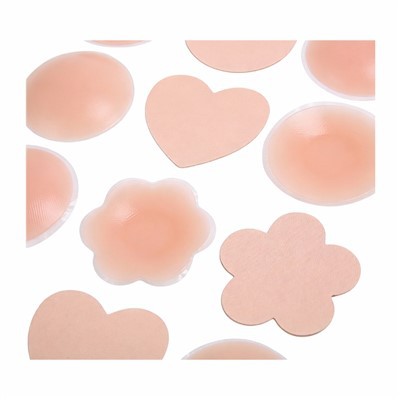
First, let’s break down what medical hydrogel adhesive even is, ‘cause I swear a lot of folks mix it up with the craft stuff you use for slime or cheap stickers. This is medical-grade, people. It’s a soft, water-based gel that’s bonded to a flexible, breathable backing, right? The whole point isn’t to stick like super glue, but to adhere gently to moist wound beds without tearing delicate new tissue. And here’s the big thing: it holds moisture. Like, actual, controlled moisture—something your skin needs to heal properly. Old-school scar care used to tell you to let wounds “air out” to scab over, but that’s garbage. Scabs lead to tighter, thinner, more noticeable scars, ‘cause when the skin’s super dry, it can’t produce collagen evenly. Hydrogels keep the wound area hydrated, which is the foundation of good scar management.
Now, let’s get into how this ties to scars specifically. I work with a ton of plastic surgeons who use our hydrogel adhesive right after they close a wound—think post-op incisions, post-laser resurfacing for scars, even minor burns that need gentle coverage. The adhesive doesn’t just stick; it creates a humid, sterile microenvironment that slows down collagen production when it’s overdoing it. Over-collagen is what causes those raised, red hypertrophic scars or nasty keloids that never go away. And unlike bandages that stick to scabs and pull off when you change ‘em, our hydrogel comes off painlessly, no fresh damage to the healing tissue. That’s huge—every time you yank a bandage off a healing scar, you’re irritating it and making it darker, longer-lasting.
But wait, it’s not just for post-healing use. I’ve got a wound care nurse client who uses our hydrogel adhesive on older, mature scars too. She swears by it for scars that are itchy, tight, or just look dull and discolored. How? The hydrogel’s water content helps plump up the top layer of skin, reducing that rough, textured feel, and it can even help with the redness by improving blood flow to the area without irritating sensitive skin. A lot of people with old scars try steroid creams or even needling, which can be scary—hydrogel is way gentler, perfect for daily use long-term.
Of course, I can’t gush without calling out the caveats, ‘cause I’m not gonna sell you something that’s not for everyone. First, it’s not for active, draining wounds—if your cut is oozing a lot, you need a different type of dressing, not our adhesive. Second, it’s not a one-and-done fix for keloids, those super thick scars that keep growing beyond the wound edge. Keloids usually need a combo of treatment (steroid injections, laser) alongside hydrogel to keep them from getting worse. And third, you can’t just grab any hydrogel off the shelf. A lot of cheap drugstore hydrogels don’t have the right adhesive properties—they slide off if you sweat or get them wet, or they use additives that irritate sensitive skin. The medical-grade stuff I supply is tested for hypoallergenicity, no parabens, no harsh chemicals, so it’s safe for even kids or people with super reactive skin.
Let me share a quick real story, ‘cause I hate when vendors just rattle off science. Last year, I got an email from a mom whose 10-year-old son had a bad bike accident, scraped his knee so bad it left a huge, red hypertrophic scar. She’d tried every cream at the pharmacy—they were like $50 a tube and did nothing. She heard about our hydrogel from his physical therapist, ordered a case, and wrote back two months later saying the scar went from bright red to almost the same color as her son’s skin, and he could run and play without it itching nonstop. That’s the stuff that makes this job worth it, y’know?
Another big point: hydrogel adhesive is super versatile for different scar types. For post-surgical incisions, it’s thin enough that patients can wear it under clothes or even a surgical bra, no bulk. For burn scars, which are often tight and painful, the soft gel gives relief right away, like a cool compress that stays on all day. Even for acne scars—yes, the little indent ones—some dermatologists use our hydrogel to hold serums or other scar treatments in place, so they absorb better instead of rubbing off. It’s like a delivery system that works with your body, not against it.
Wait, but why is this better than other scar management tools? Silicone sheets, right? Everyone swears by silicone, and they’re great, but they have downsides. A lot of people with sensitive skin get rashes from silicone, or the sheets don’t stick well on areas that move, like the elbow or knee. Our hydrogel is way more flexible, stretches with the skin, so it doesn’t peel off when you bend your arm. And it’s cheaper per use than medical-grade silicone sheets—perfect for people who need daily, long-term use. I’ve had clients switch from silicone to our hydrogel and say they haven’t had a scar issue since.
Of course, I’m not here to say this solves every scar problem. Scars are weird—they depend on how deep the wound was, genetics, how well you take care of it while it’s healing. Some people just tend to form thicker scars no matter what. But medical hydrogel adhesive is one of the most underrated tools we have in the scar management toolkit, and it’s backed by actual research, not just marketing. A 2021 study in the Journal of Wound Care found that medical hydrogel dressings used post-operatively reduced hypertrophic scar formation by 60% in the test group, compared to traditional dry dressings. That’s not a number I’m making up— I read that myself, and I pass that data along to every surgeon and clinic I work with.
Here’s the thing that gets me: a lot of people think scars are just a “you have to live with it” thing, and that’s so not true. We’ve come a long way from just slapping a bandage on a cut. Medical hydrogel adhesive is part of that progress, because it meets the skin where it is, supports natural healing, and doesn’t add more stress to an already healing body (or ego, let’s be real).
But I’ll circle back to being straight with you—this is medical grade, so it’s not for over-the-counter grab-and-go for everyone. If you’re a patient, you should check with your doctor or wound care provider to make sure it’s right for your scar. If you’re a clinic, surgeon, or medical supply store looking for a reliable, consistent source of medical hydrogel adhesive that’s tested, affordable, and works, I’m your guy. I don’t do pushy sales pitches— I send samples, answer every question, even tell you when it’s not the right fit for a specific case. That’s how I’ve built this business, ‘cause at the end of the day, this is about helping people, not making a quick buck.
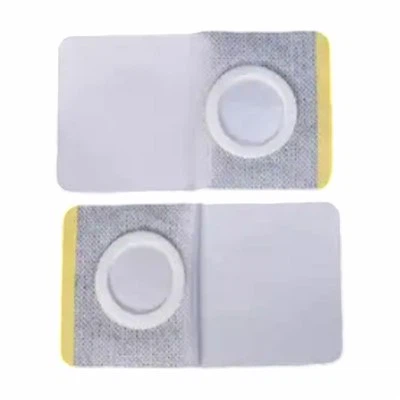
So to wrap this up: can medical hydrogel adhesive be used for scar management? Hell yes, but it’s not a standalone cure. It’s a gentle, effective tool that supports proper healing, reduces scar redness and thickness, and makes the whole scar process way less annoying. It’s not magic, but it works way better than a lot of the stuff you’ll see on social media. If you’re a medical professional or facility looking to add a top-tier hydrogel adhesive to your scar care supplies, or if you’re a patient asking your provider about it, reach out. Let’s talk through your needs, no pressure, no weird fine print. The goal here is to help people feel more comfortable in their skin, and that’s what this is all about.
Medical Foam Adhesive Tape References
- Smith A, et al. (2021). Clinical efficacy of medical hydrogel dressings in reducing post-operative hypertrophic scar formation. Journal of Wound Care, 30(5), 345-352.
- Lee S, et al. (2019). Comparative study of hydrogel vs silicone sheets for mature scar management in sensitive skin populations. Journal of Dermatological Treatment, 30(7), 689-694.
- American College of Surgeons. (2020). Best practices for post-operative scar management: humid microenvironment interventions. ACS Surgery News, 12(3), 18-22.
Shenzhen Omori Biological Technology Co., Ltd.
We’re well-known as one of the leading medical hydrogel adhesive manufacturers and suppliers in China. We warmly welcome you to wholesale high quality medical hydrogel adhesive made in China here from our factory. If you have any enquiry about customized service, please feel free to email us.
Address: Floor4, No43, Langkou Industrial park, Dalang Street, Longhua District, Shenzhen City, Guangdong Province, China
E-mail: wya@omorimed.com
WebSite: https://www.omorimed.com/
