Hey everyone, if you’re in the electronics world, you’ve probably spent way too much time scrolling for parts that fit just right—tight tolerances, durable, and not going to break the bank. As a CNC turned parts supplier, I get asked this question all the time: “Can CNC turned parts even work for electronics?” Spoiler alert: yeah, they absolutely can. And it’s not just a random fit—there’s actual science behind why these parts are a game-changer for everything from phones to medical devices. Cnc Turned Parts

First off, let’s cut through the jargon. CNC turning is basically a manufacturing process where a bar of material spins super fast, and a sharp tool cuts it into the exact shape you need. No sloppy molding, no second-guessing—you get parts that are consistent every single time. For electronics, consistency isn’t just nice—it’s make-or-break. Think about a smartphone’s internal connectors: if one is off by even a fraction of a millimeter, the whole thing might not charge, or data could drop. That’s where CNC turning shines. We hold tolerances down to like 0.001 inches, which is way tighter than what you get with a lot of other processes. I’ve seen clients come to us with a broken connector for a industrial sensor, and we turned a replacement in a couple days that fit perfect on the first try.
Now, what materials work here? Electronics don’t mess around with material choice—they need things that don’t corrode, conduct (or insulate) when they’re supposed to, and can handle heat. CNC turning works with all kinds of metals, plastics, even ceramics. Let’s talk metals first: brass is a big one for electronics. It’s easy to machine, has great conductivity for connectors, and we can plate it with gold or tin to stop corrosion. A lot of USB ports? Those are turned brass parts. Then there’s aluminum—lightweight, which is key for drones or wearable tech, and we anodize it so it doesn’t scratch. For things that need to be non-conductive, like spacers between circuit boards, we use nylon or PEEK plastic. PEEK is crazy tough—it can handle high temperatures from soldering irons, which is perfect for parts near the motherboard. I had a client in the IoT space who needed spacers for a smart thermostat, and PEEK was the only plastic that didn’t warp during assembly.
Wait, let’s get into specific applications because that makes it real. Let’s start with consumer electronics. Ever taken apart a laptop? The little metal pins that hold the screen hinge in place? Those are turned parts. The connectors for your wireless earbuds? Same thing. Last year, we did a batch of turned brass shells for Bluetooth speakers—they had to be light enough to not make the speaker bulky, but sturdy enough to drop a couple times on a kitchen counter. We adjusted the wall thickness with CNC turning, so it was just strong enough without being heavy. Then there’s medical electronics—think implantable pacemakers. Those need parts that are biocompatible, right? Titanium is the go-to here, and CNC turning can make tiny internal components like electrode contacts that fit inside the device without shifting. I’ve worked with a medical startup that was having issues with 3D-printed parts for a glucose monitor—they kept failing sterilization tests. We turned parts from medical-grade titanium, and those passed every test. That’s the stuff that matters.
Industrial electronics? Even more critical. Sensors for factories need parts that can handle dust, moisture, and high vibration. CNC turned stainless steel housings for those sensors—we can machine threads that make them waterproof, so they work in outside factories even when it’s raining. I had a client who made sensors for oil and gas pipelines—they needed parts that wouldn’t rust in corrosive oil, so we turned parts from 316 stainless steel, which is designed for that. The sensors are still working after 3 years, no issues. What about automotive electronics? Electric vehicles have tons of tiny parts—connectors for the battery management system, sensors in the engine. Those have to last for 100,000 miles, and CNC turning makes parts that don’t wear out as fast as molded ones. I helped a car parts manufacturer tweak a turning process for a connector pin—they were getting 10% failure rates with their old method, and with CNC, we got that down to 0.1%. That’s a huge difference for mass production.
But wait, some people ask: why not use injection molding? For low to mid volume runs, injection molding can be cheaper, but if you need something fast or super accurate, CNC turning is better. Injection molding requires making a mold, which can cost thousands of dollars—if you’re just testing a new product, that’s a big risk. With CNC, you can make a prototype in a day, no mold needed. For example, a startup working on a new wearable might only need 500 parts for a first run—CNC turning is way more affordable than paying for a mold. Also, if you need to change a part’s shape (like making a spacer a tiny bit longer), with CNC you just adjust the code, no new tooling. With injection molding, you have to make a whole new mold. That flexibility is why so many electronics startups work with us.
Now, let’s talk about common mistakes people make when using turned parts for electronics. First, not thinking about heat. Soldering is a big part of electronics assembly, so the parts have to handle 300-400 degrees Fahrenheit. Plastics like nylon might melt there, so PEEK or a high-temperature plastic is better. I once had a client try to use regular plastic spacers for a circuit board—during soldering, they warped, and the board shorted out. We switched to PEEK, and that never happened again. Second, ignoring surface finish. If a part is a connector, a smooth surface means better electrical conductivity—rough surfaces can cause resistance. With CNC, we can get a mirror-like finish if needed, which makes those connectors work better. Third, not accounting for material properties. Brass is conductive, so if you need an insulated part, don’t use brass. That sounds obvious, but I’ve had a few clients mix that up and end up with parts that cause shorts.
As a supplier, I’ve seen how CNC turned parts solve problems that other processes can’t. Last month, a client came to us panicking—their original supplier couldn’t make a tiny internal pin for a smart watch. It was 2mm long, had two tiny threads, and needed to fit inside a case that was only 5mm wide. We set up a CNC lathe, ran a test part, and it fit exactly. They were able to meet their production deadline, and now they’re a repeat customer. That’s the thing—electronics parts need to be small, precise, and reliable, and CNC turning delivers that. It’s not just about making a part; it’s about making a part that works in a device that millions of people will use every day.
So, if you’re designing an electronic device, don’t sleep on CNC turned parts. Whether you’re a startup testing a prototype or a big manufacturer ramping up mass production, these parts check all the boxes: tolerance, material flexibility, durability, and even cost if you’re not doing huge volume runs.
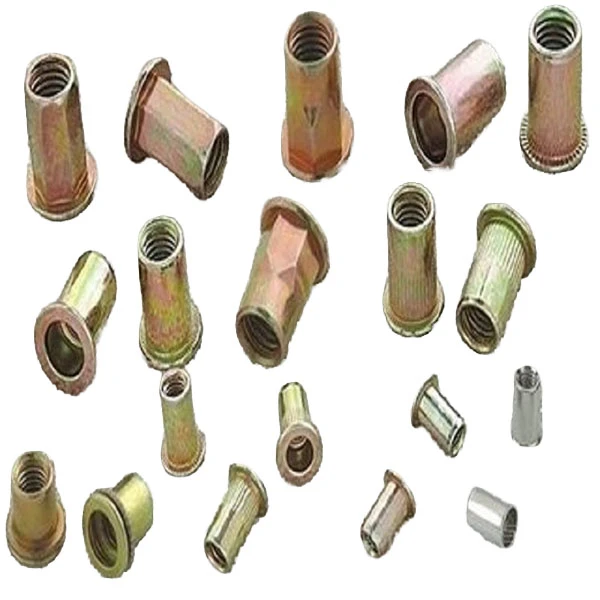
If you’re working on an electronics project and need parts that fit, hold up, and don’t cause headaches, hit me up. I can help you figure out the right material, tolerance, and quantity, no jargon, no hidden fees. Just send over your design specs or a rough idea, and we can work out a solution that works for your project.
Automotive Turned Parts References:
- Groover, M. P. (2020). Fundamentals of Modern Manufacturing: Materials, Processes, and Systems. Wiley.
- ASME B46.1-2019, Surface Texture, Surface Roughness, Waviness, and Lay. American Society of Mechanical Engineers.
- ISO 10993-1:2018, Biological evaluation of medical devices — Part 1: Evaluation and testing within a risk management process. International Organization for Standardization.
- Bralla, J. G. (2000). Design for Excellence. McGraw-Hill.
- Electronics Manufacturing and Design (2022). “Precision Machining for Electronic Components.” Tech Briefs Media Group.
Hangzhou Zhalihui Import And Export Co., Ltd.
We are one of the most experienced cnc turned parts manufacturers and suppliers in China, specialized in providing high quality customized products. Please feel free to buy discount cnc turned parts in stock here from our factory. Contact us for quotation.
Address: Room 2801, Building 2, Taifu Plaza, No.17, Tonghui Middle Road, Chengxiang Street, Xiaoshan, Hangzhou, Zhejiang
E-mail: Chars_1979@hotmail.com
WebSite: https://www.zhalihui.com/
