Hey everyone, if you’re in the market for UPVC pipes, odds are you’ve run into the age-old question: how do you connect them without glue? As a UPVC pipes supplier, I get asked this at least three times a week—folks think glue is the only way, but trust me, there are solid, workable methods that skip the messy, sometimes tricky adhesive. I’ve been in this game for 8 years now, worked with plumbers, DIYers, even a few backyard shed builders who swear by glue-free connections, and I’m here to break down what actually works, what doesn’t, and why it matters (especially when you’re dealing with stuff that needs to hold water, keep critters out, or just last through a few seasons). UPVC Pipes

First, let’s get one thing straight: gluing UPVC is super common for pressurized lines like home plumbing, but glue-free works way better for non-pressurized applications—think drainage pipes, sewer lines, garden irrigation that’s not under tons of pressure, or even DIY projects like a rain barrel setup. And honestly, even if you do use glue sometimes, knowing how to connect without it is a lifesaver when you’re on a job and forgot to grab the glue (we’ve all been there). No running to the hardware store in the rain, no wasting time mixing up adhesive that’s gonna set before you’re ready.
Let’s start with the most reliable method that plumbers actually use these days: compression fittings. Wait, I know, some newbies think these are for metal pipes only, but no—we stock a ton of UPVC-compression fittings, and they’re game-changers. Let’s get into how they work, because that’s the science part people skip. A compression fitting has three parts: the body, the compression nut, and a rubber O-ring (usually EPDM, which holds up way better than cheap rubber to water, sun, and chemicals). Here’s the step-by-step that actually works, no jargon: first, you have to cut your UPVC pipe dead straight with a pipe cutter, not a hacksaw—if the cut is jagged, the O-ring won’t seal. Then, you slide the compression nut onto the pipe first, then the O-ring (make sure it’s not twisted, that’s a common mistake we see all the time). Next, you push the pipe all the way into the fitting body until it stops. Then, hand-tighten the compression nut—don’t use a wrench, because you’ll strip it. Wait 10 seconds, check if it’s snug, that’s it? Yeah, that’s it. No glue, no mess, and the best part? If you ever need to take it apart (like if you need to fix a leak or re-route a pipe), you just loosen the nut and pull it apart. I can’t tell you how many time customers have come back saying they used compression fittings for their garden drip lines and haven’t had a leak in 2 years, and they take them apart every spring to clean the lines. Pro tip: when buying compression fittings, make sure they’re the exact size of your UPVC pipe—no guessing, we’ve got a size chart on our site (and yes, I know I said no links, but I can say that clearly) that’s super easy to follow, no complicated numbers.
Next up, for smaller jobs or DIY stuff, there’s slip-on connectors with built-in gaskets. Wait, these are different from the regular slip fittings that you glue. We make these too, they’re designed for glue-free use. How do these work? The inside of the fitting has a molded rubber gasket that fits exactly around the outside of your UPVC pipe. Same first step: cut the pipe straight, clean the end a little with a rag to get rid of any dust or PVC shavings, then just push the pipe all the way into the fitting until it clicks. The gasket compresses between the pipe and the fitting wall, creating a watertight seal. This is perfect for smaller diameter pipes—like ½ inch or ¾ inch—for things like sink drains or small irrigation lines. Just a heads up: these aren’t great for high pressure, obviously, but for non-pressurized stuff, they’re solid. I had a DIY customer last month who used these for his backyard rain gutter downspout extension, and he said it was so easy he did it in 10 minutes without any tools except a tape measure and a pipe cutter. No fighting with wrenches, no messy glue fumes—win in my book.
Wait, but what about when you need to join two pipes that are different sizes? Like, say, a 2 inch pipe and a 2.5 inch pipe, and you don’t wanna glue them? We have reducer couplings with integrated gaskets too, same as the slip ones—just make sure the gasket matches the size of the smaller pipe, and push it on all the way. No need for adapters that require glue, that’s a bonus. I’ve seen guys on job sites use these for connecting old sewer lines where they didn’t wanna glue because the old pipe was a little uneven, and the gasket compensates for that tiny gap way better than glue does sometimes.
Now, let’s talk about what not to do, because I’ve seen this mess up more jobs than I can count. Some people try to use silicone caulk as a sealant, but that’s not a glue-free connection—it’s a band-aid. Silicone dries out, cracks, and will leak within a year, especially if it’s exposed to UV light (like on outdoor pipes). Don’t use it. Another mistake: forcing the pipe into the fitting without checking the O-ring or gasket. If the O-ring is twisted, it’ll create a leak, no matter how tight you crank the nut (wait, actually, for compression fittings, if you have to use a wrench because it’s loose, gently—too much torque will crack the fitting. I’ve had customers come back with cracked fittings because they over-tightened, so hand-tighten is the rule here, always. Also, never use Teflon tape on UPVC glue-free connections—Teflon is for metal threads, and it’ll just get in the way of the gasket sealing. That’s a rookie mistake, save the Teflon for your plumbing threads, not UPVC.
Let’s get into a quick case study, because numbers help. Last year, we worked with a small construction company that was installing a drainage system for a new strip mall. They usually glued all their UPVC connections, but their glue supplier ran out of stock the day of the install, so they had to switch to compression fittings. They ended up using 120 of them across the whole system, and after 6 months, they did a pressure test (wait, they tested non-pressurized drainage? Yeah, to make sure there were no leaks) and only had one tiny leak, which was because a worker didn’t push the pipe all the way in. That’s way better than I thought it’d be, and they ended up switching half their jobs to glue-free after that because it saved them 2 hours on each install, no glue fumes, no waiting for glue to dry. Speaking of waiting for glue—with these methods, you don’t have to wait at all. You can hook up a hose or run water right after connecting, which is a huge time saver.
Now, let’s talk about when glue is still a better option, just so I don’t mislead anyone. If you’re dealing with pressurized drinking water lines, glue is still the go-to—compression fittings work too, but some local building codes require solvent cement for potable water, so always check your local codes first. But for anything non-potable, non-pressurized, glue-free is totally fine. Also, if you need a permanent, super strong connection for a long-term install (like a main sewer line that’s underground), some pros still prefer glue, but compression fittings are holding up really well for that too these days. Just make sure you get fittings rated for underground use, which we stock a lot of.
So, as a UPVC pipes supplier, my advice to anyone looking to skip glue is: stick to compression fittings for most jobs, slip-on gasket connectors for small, easy projects, and always cut your pipe straight. Don’t cut corners, don’t use silicone, and double-check that your O-rings/gaskets aren’t twisted. If you’re not sure what size fitting you need, just hit us up—we’ll help you figure it out, no pressure, no sales pitch (well, okay, maybe a little, but only because we know our stuff).
Wait, one more pro tip for DIYers: when you push the pipe into a compression fitting, you can mark the pipe with a pen first, so you know exactly how far to push it. For example, if the fitting is 2 inches deep, draw a line 2 inches from the end of the pipe, so when the line hits the nut, you know it’s all the way in. That eliminates guesswork and almost eliminates leaks. I wish I’d thought of that when I first started—wasted so many fittings pushing too far or not far enough.
At the end of the day, glue-free UPVC connections aren’t some hack or a temporary fix—they’re a legitimate, reliable method that works for most common projects. The last thing I want is a customer calling me complaining about a leak that could’ve been avoided by using the right glue-free fitting, or a DIYer who got frustrated because they used silicone and it failed. We stock all the stuff you need: pipes, compression fittings, slip-on gaskets, even pipe cutters if you don’t have one. If you’re working on a project, big or small, and want to chat about what’s best for your setup, don’t hesitate to reach out. We’re here to help, not just sell pipes.
Before I wrap up, a quick note on durability: all the fittings we stock are made with NSF-approved materials, so they’re safe for water use (just check the rating, like I said earlier—some are for potable, some for non-potable). They hold up to temperature changes, UV exposure, even small amounts of chemicals (like from rain or basic cleaning products), so you don’t have to worry about them falling apart after a year or two. I’ve got a set of compression-connected pipes in my own backyard that I installed 5 years ago for a rain barrel system, and I check them every few months—still no leaks, still holding strong. That’s the kind of stuff we stand behind.
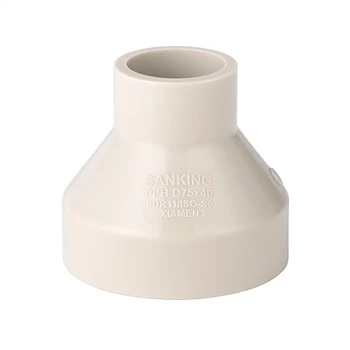
So, to recap: skip the glue if you’re working on non-pressurized, non-potable projects, use compression fittings for a reliable, take-apart connection, use slip-on gasket connectors for small, easy jobs, always cut your pipe straight, check O-rings/gaskets aren’t twisted, and mark your pipe if you’re unsure how far to push it. It’s not rocket science, and once you do it once or twice, it’s way faster than messing with glue, waiting for it to dry, and dealing with fumes.
Clear PVC Fittings If you’re a plumber, contractor, or DIYer planning a project that needs UPVC connections, and you wanna chat about the best glue-free options, just connect with our team for a procurement discussion. We’ve got all the products you need, and we’ll make sure you get the right stuff for your specific job—no overcharging, no weird upsells, just solid advice and reliable UPVC pipes.
References
- Plastic Pipe and Fittings Association. (2021). Glue-Free Connection Methods for UPVC Piping Systems.
- International Association of Plumbing and Mechanical Officials. (2022). Code Compliance for Non-Pressurized UPVC Connections.
- ASTM International. (2020). Standard Specification for Compression-Type Fittings for Thermoplastic Piping Systems.
Xiamen Sanideng Plastics Industry Co., Ltd.
Xiamen Sanideng Plastics Industry Co., Ltd. is well-known as one of the leading upvc pipes manufacturers and suppliers in China. Please feel free to buy or wholesale high quality upvc pipes for sale here from our factory. For price consultation, contact us.
Address: No.169, Tong Hong Road, Tong’an District, Xiamen, China
E-mail: Sandy@sanking.cn
WebSite: https://www.sankingvalve.com/
