Hey there,
If you’re running a glass shop, or even just a fab that’s got a glass grinding machine on site, you know that machine doesn’t just spit out finished cuts—It also spits out waste. We get it, because we’re the guys that sell these grinders. When we work with new clients, half the time they ramble about how to handle all that leftover grit, broken glass shavings, and spent abrasive slurry. It’s not just tossing stuff in a bin; get it wrong, and you’re stuck with fines, messed-up equipment, or even a safety hazard. Today, let’s cut through the confusion and break down exactly how to dispose of glass grinding machine waste the right way—no fancy jargon, just stuff we’ve picked up working with shops every single day. Glass Grinding Machine

First off, let’s get clear on what “waste” we’re actually talking about here. Not all glass grinding scrap is the same. There’s three main types, and you can’t handle them identical.
Type one: Crushed glass fines and small broken shards. These are the tiny glass bits that slough off when the grinding wheel grinds down glass edges. They’re super fine, almost like dust sometimes, and mixed with a bit of the grinding wheel’s abrasive material (usually silicon carbide or aluminum oxide). Type two: Spent slurry. If your grinder’s a wet model—most commercial ones are—you’re using water to cool the grinding wheel and prevent glass from cracking. That water mixes with all the glass fines and abrasive, turning into a thick, murky slurry you have to drain or empty every few weeks. Type three: Used grinding wheel swarf. Wait, swarf’s the term for the worn bits of the wheel that break off when you grind. Those are bigger chunks, not fine dust, and they’re not glass—they’re the abrasive material from your grinder’s wheel.
A lot of shops mix all this together and just throw it in a regular trash bin. Big mistake. For one, glass fines can tear up regular garbage bags. Those tiny sharp bits poke through, leaving mess all over your bin, and if your hauler has to handle it, they might refuse to take your trash if it’s full of sharp glass. Second, if you’re dumping slurry in the trash or down a drain, you’re asking for trouble. Slurry has fine glass and abrasive particles that can clog drains fast, and in some areas, local regulations classify that as industrial waste, not household or commercial. That means dumping it down the drain can get you a fine. And the swarf? It’s not household waste either—its abrasive material might have trace metals depending on the wheel, so you can’t just toss it with regular trash.
Let’s start with the easiest one first: dry glass fines and grinding swarf. Here’s what we tell all our clients. Never bag it in thin plastic garbage bags. Instead, use heavy-duty, puncture-resistant bags—think the ones designed for construction or yard waste, not the thin grocery store ones. Before you bag it, sift out any large glass shards if you can. We recommend using a mesh strainer with openings no bigger than a quarter-inch to separate big shards from the fine dust. Those big shards can go in the same heavy-duty bags, but make sure they’re not loose—stuff them in the bag and tie it tight. Once it’s bagged, check with your local waste hauler. Most can take this stuff if you label it “glass grinding waste” on the bag. If they won’t, call a local recycling center that processes construction and demolition (C&D) waste. A lot of those will take clean glass fines and swarf because they can use it as a filler material in concrete or road base. It’s way better than sending it to a landfill, too.
Now the tricky part: spent slurry. This is where most shops mess up, especially the wet grinder users. First off, do NOT dump this down any drain—kitchen, shop, floor, none of it. Even if it looks like just water, the fine particles will settle in your pipes and cause clogs that are a nightmare to unclog. Plus, local environmental rules in most places ban dumping industrial slurry down drains to protect water systems. So what do you do?
First, let the slurry settle. If your grinder has a settling tank (a lot of our machines come with this as an add-on, by the way), that’s perfect. Let the slurry sit there for 24 to 48 hours. The glass and abrasive particles will sink to the bottom, leaving clean water on top. Then you can siphon the clean water off the top and reuse it in your grinder—we always tell clients to reuse that water, it cuts down on your water bills too. The leftover solid gunk at the bottom? That’s mixed glass and abrasive. Scrape that out, let it dry, then bag it with your dry fines and swarf using those heavy-duty bags we mentioned earlier. If your grinder doesn’t have a settling tank, you can make a cheap one yourself with a plastic barrel and a mesh screen at the bottom. Let it settle, siphon the water, and handle the solid residue the same way. If you don’t want to mess with settling, some companies sell kits that let you solidify the slurry with a absorbent material (like sawdust or industrial absorbent pads) so it’s safe to bag and take to a landfill. Just make sure whatever absorbent you use doesn’t have any chemicals that might contaminate the waste.
Next, safety stuff you can’t skip. A lot of shops forget that glass grinding waste isn’t just messy—it’s dangerous. Those fine glass dust particles are tiny enough to get into your lungs if you handle dry waste without protection. So always wear a dust mask when you’re sweeping or bagging dry fines. Also, eye protection, obviously—those sharp bits can jump out fast. If you’re working with slurry, wear gloves too, because the abrasive particles can irritate your skin if you’re touching it a lot. We’ve had clients who got rashes just from handling wet abrasive, so that’s not a tip to ignore.
Wait, what about if you have way too much waste, like from a big job? Don’t just pile it up in your shop. Storing glass grinding waste for more than a week or two can be a problem—especially if it’s wet, because it can start to smell or attract pests. If you’re running a high-volume shop, we recommend setting up a dedicated storage area for this waste. It should be covered, so rain doesn’t get in and turn dry waste into slush, and locked if it’s a commercial space to keep people from messing with it. Also, keep records if you’re disposing of a lot of waste. A lot of local governments now require businesses to track industrial waste disposal, so if you’re hauling it off yourself, write down how much you’re taking, when, and where. That way if an inspector stops by, you’ve got proof you’re doing it right.
And here’s a pro tip from our team—we’ve tested this with dozens of clients, and it saves so much time. If you’re still making slurry, install a vacuum recovery system for dry waste. A lot of our grinding machines can connect to a small shop vac that’s designed for fine dust, so instead of sweeping the floor every night, you just vacuum all the fines right into a collection container. That cuts down on mess, makes disposal way easier, and you don’t have to deal with loose dust blowing around your shop. For slurry, if you’re using a wet grinder, make sure the settling tank is emptied right before it gets full—don’t wait until it’s overflowing, because that’s when slurry might spill and get into the floor drains.
Wait, what about recycling options specifically for glass grinding waste? A lot of people don’t know this, but some glass recycling centers will take this stuff. It’s not the same as clear glass bottles, but they can melt it down and reuse it in other glass products. The catch is you have to separate it from other waste—no mixing it with plastic, metal, or regular trash. If you’re a shop that generates a lot of this, it might be worth searching for local glass recyclers that accept industrial glass fines. They might even pick it up for you for a small fee, which is easier than hauling it yourself.
Now, let’s talk about the mistakes we see all the time. One big one: mixing all waste together. We had a client last year who mixed slurry, swarf, and big glass shards, then threw it in a regular trash bin. Their hauler refused to take it, so they had to store it for two weeks, and when they finally found a place that would take it, it cost them three times more than it would have if they’d separated it. Another mistake: using thin garbage bags. One client had a whole bin of bags that tore open on the way to the landfill, so the hauler had to stop and clean it up, and they got a $200 fine. That’s avoidable. And don’t skip the safety gear—we’ve had two clients who ended up in urgent care because they didn’t wear masks and breathed too much glass dust. It’s not just a nuisance, it’s a health risk.
If you’re still not sure about your local rules, here’s what to do. Call your local waste management department or environmental agency. They can tell you exactly what’s allowed in your area, what kind of labels you need, and where to take glass grinding machine waste. A lot of people think rules are the same everywhere, but they’re not—some cities let you take it to regular C&D drop-offs, others require you to take it to a hazardous waste facility (though glass grinding waste is usually not hazardous, it just has to be handled correctly). If you’re using our grinders, our support team can even help you with that—we work with a lot of shops across North America, so we know the rules in most areas.
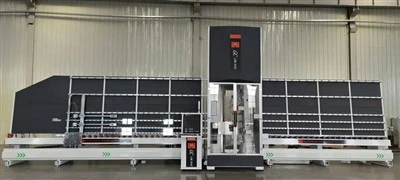
Now, here’s the part where we can help you, if you’re looking to make this whole waste thing easier. We design glass grinding machines specifically for commercial shops, with waste management in mind. A lot of our models come with built-in settling tanks for slurry, dust collection systems for dry fines, and even waste collection containers that make disposal way less of a hassle. If you’re tired of dealing with messy, expensive waste disposal, or you’re in the market for a new grinder, we can walk you through exactly what model would work for your shop, and even give you tips tailored to your area for disposing of your waste. We don’t just sell machines—we help our clients with every part of running their shop, from setup to waste handling. So if you want to chat about how we can make your waste disposal easier, just reach out. We’re here to answer questions, no pressure, no sales pitch that’s too pushy.
Glass Drilling Machine At the end of the day, disposing of glass grinding machine waste doesn’t have to be a headache. It’s just about separating the different types, using the right bags and containers, following local rules, and not cutting corners on safety. We’ve seen shops do it right for years, and we know you can too. If you’re already dealing with a grinder and struggling with waste, hit us up—we’ll help you figure it out. And if you’re in the market for a new machine that’s built to make this whole process simpler, we’re the people to talk to. It’s that straightforward.
References
- Environmental Protection Agency. (2022). Industrial Glass Waste Management Guidelines.
- Glass Packaging Institute. (2021). Best Practices for Industrial Glass Scrap Disposal.
- Occupational Safety and Health Administration. (2020). Respiratory Protection for Dust Exposure in Manufacturing Facilities.
- National Waste & Recycling Association. (2022). Disposal Guidelines for Construction and Industrial Glass Materials.
- American National Standards Institute. (2021). Safety Standards for Wet Glass Grinding Equipment.
Foshan Sky Glass Co., Ltd.
We are one of the most experienced glass grinding machine manufacturers and suppliers in China. With a professional production team, we are able to meet the needs of the majority of our customers. Please feel free to wholesale advanced glass grinding machine for sale here from our factory. Customized orders are welcome.
Address: Jian Mei Business Center, Nan Hai Town, Fo Shan
E-mail: skyglassmanager18@gmail.com
WebSite: https://www.sky-glassdz.com/
