If you’ve ever watched an excavator turn a chaotic pile of uprooted brush, fallen logs, and construction debris into something manageable in minutes, chances are you were looking at a brush grapple doing its work. As someone who’s spent the last decade supplying excavator attachments to land clearing crews, municipal operations, and forestry teams across North America, I get asked this question at least twice a week: what exactly is a brush grapple, and why does it matter more than a regular bucket or a standard grapple for so many jobs? Let me break it down like I would when sitting across a job site from a new customer, no fancy engineering jargon, just the real deal about a tool that’s earned its spot as one of the most versatile excavator attachments on the market. Excavator Grapple

First, let’s start with the basics that set brush grapples apart from other excavator attachments. At its core, a brush grapple is a hydraulic attachment designed to grip, lift, and manipulate irregular, bulky organic or construction debris—think brush, small trees, logs, root balls, even mixed construction waste like scrap wood and metal rebar—something a standard excavator bucket can’t handle well. Where a bucket is built to scoop loose, uniform material like dirt or gravel, a brush grapple has two main parts: a robust frame (usually made of high-tensile steel, because that’s non-negotiable for withstanding impact) and two or more curved, tooth-lined grapple arms that open and close via hydraulic cylinders. Those teeth aren’t just random spikes, either—they’re strategically angled to dig into debris without puncturing through thin wood or plastic, giving you a secure hold even on slippery, uneven material.
What makes a brush grapple different from a standard utility grapple, for those who’ve used the latter for light demolition or yard work, is its durability and specialized design for heavy, messy jobs. A utility grapple might work for moving a few branches around a residential property, but a brush grapple is built to handle full-scale land clearing: uprooting 12-inch diameter oak logs, pulling out entire root balls that weigh thousands of pounds, and processing piles of brush that would jam a lesser attachment in minutes. We’ve had customers tell us they burned out three utility grapples on a single 50-acre land clearing job before switching to our brush grapples, and that’s exactly the gap we aim to fill as a supplier—tools built for real, demanding work, not just light occasional use.
Let’s talk about the key components that make a brush grapple work, because if you’re in the market for one, knowing these details will help you pick the right model for your excavator, not just the cheapest one. First, matching the grapple to your excavator’s operating weight is non-negotiable. A 10,000-pound mini excavator needs a completely different brush grapple than a 50,000-pound mid-sized model or a 100,000-pound heavy excavator. Undersize a grapple for your machine, and you’ll risk bending the frame or snapping hydraulic lines mid-job; oversize it, and you’ll kill fuel efficiency and maneuverability. That’s why we never push a one-size-fits-all model—we work with every customer to check their excavator’s make, weight, and bucket size to match the perfect brush grapple.
Next, the hydraulic system. Brush grapples run off your excavator’s auxiliary hydraulic lines, which control the opening and closing of the arms. The psi (pounds per square inch) of your excavator’s hydraulics matters too—most brush grapples for mid-sized machines need at least 2,500 psi of auxiliary flow, though some heavy-duty models work with higher psi for extra grip. A lot of budget attachments cut corners here, using smaller cylinders that can’t generate enough force to close tight around dense material, leaving you with slips and dropped loads that waste time and create safety risks. We design all our brush grapples with oversized, heat-treated hydraulic cylinders that deliver consistent force, even after years of use.
Then there’s the grapple arm design. Most standard brush grapples use parallel arms, which open straight out and close evenly—great for balancing loads and keeping debris secure. We also carry a dual-curved arm model that’s popular for tight spaces, like clearing brush along roadside ditches or working around existing structures, since the curved arms let you reach around obstacles without scraping the excavator or damaging what you need to keep intact. The teeth, as I mentioned earlier, are another key detail: we use replaceable forged steel teeth, not welded-on spikes that fall off after a few months. That means instead of buying a whole new grapple when teeth wear down, you just swap them out for a fraction of the cost, saving you money over time.
Now, let’s get to the jobs where a brush grapple is not just helpful, it’s essential. I’ve seen customers use these attachments for everything from large-scale land clearing for new construction to smaller, local jobs like clearing fire breaks for rural homeowners. For municipal teams, brush grapples are a go-to for storm cleanup—after a tornado or heavy wind event, they can pick up fallen power lines, branches, and utility poles in one pass, instead of using multiple tools that slow the process down. Logging and forestry crews rely on them to handle small to mid-sized logs without needing a separate log grapple, cutting down on attachment changes and downtime. Even recycling and waste management operations use brush grapples to sort mixed construction debris, separating wood, metal, and concrete in a single pass, which speeds up sorting and reduces labor costs.
One of the biggest mistakes we see new excavator owners make is trying to use a brush grapple for jobs it’s not designed for. You can use a brush grapple to move light dirt, but it won’t dig nearly as efficiently as a dedicated excavator bucket. It’s built for gripping irregular, bulky material, not scooping loose, uniform material. Similarly, trying to use a brush grapple for heavy demolition like breaking concrete or pulling down entire buildings is a misuse—it’s not a wrecking ball or a wrecking attachment, so you risk damaging both the grapple and your excavator. We always take time to explain these limits to customers, because buying the right tool for the job saves way more money than cutting corners on an attachment that does half the work.
As a supplier, I can tell you that the most common questions we get after “what is a brush grapple” are about maintenance and lifespan. A high-quality brush grapple, if maintained properly, can last 10 years or more, even with daily heavy use. The key maintenance steps are simple: regularly grease the hydraulic cylinders and pivot points to prevent wear, check the teeth for wear every few weeks and replace them when needed, and after each job, power wash the grapple to remove dirt, mud, and sap that can corrode the steel over time. We also keep replacement parts in stock so customers don’t have to wait weeks for repairs, which is crucial when time is money on a job site.
I want to address a common concern I hear from small business owners and new operators: cost. Brush grapples aren’t cheap, especially heavy-duty models, but when you compare the cost to the time and labor they save, they’re a long-term investment, not an expense. For example, a land clearing crew that used to pay two extra workers to haul debris can cut that labor cost by 70% with a brush grapple, since the excavator operator can load and move all debris on their own. A municipal storm team that used to take 3 days to clean up a small neighborhood can do it in 1 day with a brush grapple, getting the area back to normal faster and reducing overtime costs. We work with every customer to find a model that fits their budget and their needs, whether that’s a mid-sized model for occasional residential jobs or a heavy-duty model for full-scale commercial work.
Over the years, I’ve seen how a good brush grapple can transform a job site. I remember one customer a few years ago, a small forestry operation in western Pennsylvania, who had been using a old, second-hand utility grapple for years. They told me they spent $15,000 a year on repairs and labor because the grapple couldn’t handle the dense oak and maple logs they were processing. When they bought our heavy-duty brush grapple, they told us their repair costs dropped to under $2,000 a year, and they finished each job 2 days faster than before. That’s the kind of result that makes all the work of designing and supplying these attachments worth it—knowing you’re giving a tool that makes your customers’ jobs easier, safer, and more profitable.
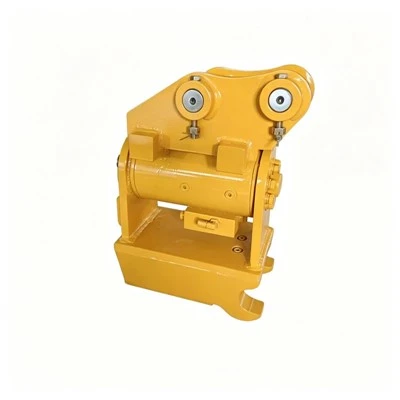
If you’re in the market for an excavator brush grapple, or you have questions about whether it’s the right attachment for your jobs, don’t hesitate to reach out and connect with our team. We don’t push overpriced add-ons or generic models—we take the time to understand what you need, match you with the right brush grapple for your excavator and your jobs, and provide support long after the sale is done. Whether you’re a land clearing contractor, a municipal operations manager, a forestry worker, or a small business owner tackling residential brush and debris jobs, a brush grapple is one of the most versatile attachments you can add to your excavator fleet. Don’t waste time and money on tools that can’t keep up with your work—invest in a brush grapple built for real, demanding jobs.
Excavator Grapple References:
- "Excavator Attachment Selection Guide: Brush Grapples vs. Utility Grapples." Association of Construction Equipment Manufacturers, 2022.
- Hydraulic Attachment Performance Standards for Land Clearing. National Forestry Contractors Association, 2021.
- Maintenance Best Practices for Heavy-Duty Excavator Attachments. Heavy Equipment Maintenance Journal, Vol. 15, No. 3, 2023.
- "Cost-Benefit Analysis of Brush Grapples for Municipal Storm Cleanup." Municipal Public Works Magazine, 2022.
Yantai Shenglun Intelligent Manufacturing Co., Ltd.
We are one of the most experienced excavator grapple manufacturers and suppliers in China, also support customized service. We warmly welcome you to wholesale high quality excavator grapple at competitive price from our factory. Contact us for more details.
Address: Unit 7, No. 8-2 Beijing South Road, Yantai Area, China (Shandong) Pilot Free Trade Zone
E-mail: admin@sdshenglun.com
WebSite: https://www.shenglunmfg.com/
