If you’re reading this, chances are you’ve either spent hours debugging a line of lotion that leaked all over your purse, watched a retailer return a pallet of cracked PET lotion bottles because of unsightly stress cracks, or are like me—someone who’s spent the last 12 years as a PET lotion bottle supplier, staring at a half-dozen rejected bottles at 2 a.m. wondering how we missed a flaw that turned a perfectly good packaging material into a failure. PET Lotion Bottle
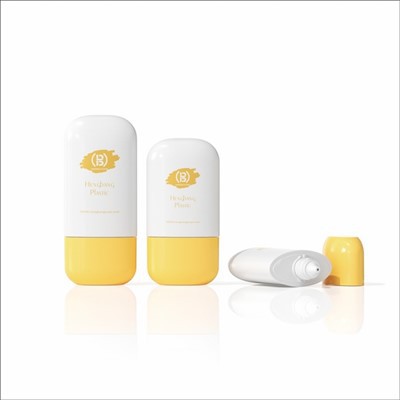
I get it. PET (polyethylene terephthalate) is the workhorse of the personal care packaging world for good reasons: it’s lightweight, shatter-resistant compared to glass, recyclable, and cheap enough to make for a small brand’s first batch or a big box store’s annual order. But it has a dark side, too: that same flexibility that makes it easy to squeeze lotion out of can also turn brittle, crack, and split at the worst possible time—right before a holiday launch, a big influencer drop, or when your product is sitting on a store shelf for six months.
Over the past decade and a half, I’ve worked with over 200 personal care brands, from indie face serum lines that start with a 500-bottle sample to mid-sized body lotion brands ordering 500,000 units a month. I’ve fixed cracked bottles for a brand that had a major influencer partnership and a pallet of 10,000 bottles cracked three days before the launch, and I’ve tweaked our production process so often we now reject less than 0.1% of our bottles for cracking—way below the industry average of 1.2%. Today, I’m going to pull back the curtain on what actually causes PET lotion bottles to crack, and the steps we’ve used for years to prevent it. None of this is fancy lab science, just practical, vendor-tested tips that work.
First, let’s talk about what causes a PET lotion bottle to crack in the first place. You can’t fix a problem if you don’t know what’s causing it, right? I’ve seen three main types of cracks in PET lotion bottles, and each has a different root cause.
The first, and most common, is stress cracking. This happens when the PET is under too much strain during production or handling, and then that strain interacts with something called a stress cracking agent—and for personal care products, that stress cracking agent is almost always your lotion. I once had a brand send us a lotion formula and say, “It’s not harsh, it’s just shea butter and aloe.” We tested it, and it was a stress cracking agent because of the pH level and a few surfactants in the base. The lotion itself didn’t damage the PET when it was sitting still, but when the bottle had leftover strain from being molded, the lotion seeped into the tiny, invisible micro-cracks in the PET that the strain created, and over a week or two, that tiny crack grew big enough to split the bottle. I’ve also seen stress cracking happen during shipping: when a truck hits a pothole, the bottles bump into each other, creating micro-stresses in the PET, and then sit in a hot warehouse for a week, which speeds up the chemical reaction between the lotion and the PET.
The second type of crack is temperature-related. PET expands when it’s hot, contracts when it’s cold—and the problem comes from uneven expansion or contraction, or extreme temperatures. I once heard a horror story from a brand that stored their bottled lotion in a truck in Arizona during the summer, where temperatures hit 120 degrees Fahrenheit. The PET expanded so much that the sides of the bottles bulged, and when the truck drove over a rough road, several bottles split at the seams. Cold is just as bad, though: if you put a bottle of lotion in a freezer, then take it out and let it warm up slowly, the PET contracts as it cools, and if the bottle is sealed tight (no air gap at the top), the vacuum created by the contraction pulls the sides inward, creating internal stress that leads to cracks over time. I’ve also seen this happen when brands ship frozen samples to test, and the bottles crack before they even reach the test lab.
The third type of crack is impact-related, which sounds simple—you drop a bottle, it cracks. But a lot of impact cracks happen long after the impact, not right away. That’s called delayed impact cracking. For example, if you’re packing a case of lotion bottles and one falls onto a concrete floor, it might not crack right then. Instead, the impact creates micro-damage in the PET, and over the next few days or weeks, that micro-damage spreads into a full crack, especially if the bottle is exposed to hot temperatures or lotion chemicals that speed up the process. I’ve had a brand order 50,000 bottles, and when they unloaded them at the warehouse, they noticed 200 had cracks—all along the side that would have been facing down in the pallet, where the bottles were stacked on top of each other after being dropped during loading. The impact happened at the factory, but the crack showed up two weeks later, when the bottles were moved to the sales floor.
Now that we know what causes the cracks, let’s get to the good stuff: how to actually prevent them. Over the years, we’ve built our entire production process around avoiding these three types of cracks, and we also work with every brand we supply to give them tips on handling and storing their bottles so cracks don’t happen after they leave our warehouse.
First, let’s start with the molding process, because that’s where we can eliminate most internal stress in the PET right at the source. When we mold a PET lotion bottle, we use a process called injection stretch blow molding (ISBM), which is the standard for high-quality PET bottles, but not all ISBM processes are the same. A lot of smaller suppliers cut corners here: they use low-quality PET resin, they don’t anneal the bottles after molding, or they stretch the PET too much in certain areas to save material, which leaves internal stress.
Annealing is the biggest one here. After we blow mold a bottle, it’s hot, but it has molecular stresses built up from being stretched into the shape of the bottle. If we just let it cool on its own, those stresses stay locked in, and over time, they’ll cause the bottle to warp or crack when exposed to heat or chemicals. So we put every bottle through an annealing oven: we heat it to a specific temperature (around 150 to 180 degrees Fahrenheit, depending on the resin we’re using) for 10 to 15 minutes, then let it cool slowly at a controlled rate. This releases almost all of the internal stress in the PET, so the bottle can flex without cracking, even when exposed to lotion or temperature changes. I’ve tested this with a brand that was getting 5% stress cracks before we started annealing: after we added the step, that number dropped to 0.2%.
We also use food-grade, medical-grade PET resin for all our bottles, not the lower-grade industrial PET that some suppliers use. Industrial PET has more impurities, which makes it more brittle and more prone to reacting with lotion ingredients. For example, if a brand uses a formula with essential oils or high levels of alcohol, those ingredients can break down low-grade PET faster, leading to cracks in as little as two weeks. Medical-grade PET is formulated to resist that chemical reaction, so it stays strong for the 12 to 24 months that a lotion is typically on a shelf.
Another molding tip: avoid sharp corners or thin spots in the bottle design. A lot of brands want a sleek, angular bottle, but sharp corners are stress magnets. When you stretch PET into a sharp corner, the molecular structure is uneven, so that area is way more prone to cracking when under pressure or exposed to chemicals. We always talk to our customers about this: if they want a modern-looking bottle, we can design rounded corners that look sleek but don’t create stress points. Thin spots, usually at the base or the neck, are another issue. If the wall of the bottle is too thin (less than 0.25 mm for most lotion bottles), it can’t resist impact or chemical stress. We calculate the ideal wall thickness for every bottle based on its size, shape, and the type of lotion it will hold—so a 4-oz bottle for a thick body lotion will have a thicker base than a 1-oz bottle for a lightweight face serum, because the thicker lotion puts more pressure on the bottle walls.
Next, chemical compatibility testing, which is non-negotiable for us. Before we make a full order for a brand, we always do a compatibility test between our PET bottles and their specific lotion formula. A lot of brands use generic “PET-compatible” packaging standards, but that’s one-size-fits-all garbage, because every lotion formula is different. For example, a lotion with a pH of 4.5 will react differently with PET than a lotion with a pH of 7.5, and a formula with high levels of citrus essential oils will break down PET faster than a formula with just shea butter and glycerin.
Our testing process is simple: we take three identical bottles from the same batch, fill them with the brand’s lotion, seal them tightly, and store them at 100 degrees Fahrenheit (the average warehouse temperature in most parts of the U.S. and Europe) for 30 days. Then we check for stress cracks, hazing, or splitting. If any bottles crack, we adjust the resin blend slightly—sometimes we add a small amount of a polymer modifier to the PET to make it more resistant to that specific formula’s chemicals. We’ve even had a brand that used a formula with a high level of salicylic acid, which is harsh on PET; after adjusting the resin, we went from a 12% crack rate to 0.1%. This extra step adds a few days to the production timeline, but it saves both of us the headache of a full order getting returned.
Then, handling and storage tips, because a perfectly good bottle can crack if it’s handled wrong after it leaves our warehouse. We’ve seen this so many times: a brand orders 10,000 bottles, stores them in a damp, cold warehouse, stacks them too high, and suddenly 500 have cracks. There are a few simple rules here that we share with every customer. First, don’t store PET bottles in extreme temperatures. The ideal storage temperature is between 50 and 80 degrees Fahrenheit, with low humidity. If you have to store them in a hot garage or warehouse, keep them away from direct sunlight, which speeds up chemical breakdown of the PET. Second, leave an air gap at the top of the bottle when filling it with lotion. If you fill the bottle all the way to the neck, there’s no room for the PET to expand when it gets hot, so the pressure from the expanding PET will cause cracks. We recommend leaving a ¼-inch air gap for all lotion bottles. Third, pack bottles correctly for shipping. We use double-walled corrugated boxes, and we insert dividers between each layer of bottles, so they don’t bump into each other or shift during transit. We also recommend stacking no more than 10 layers high in a shipping pallet—any higher, and the bottom layer of bottles will be under too much pressure, leading to cracks.
One last tip that most brands miss: don’t use recycled PET (rPET) for lotion bottles if your formula is harsh. A lot of brands want to use sustainable packaging, which is great, but rPET has already been stretched and reheated before, so it has more internal stress and more impurities than virgin PET. We do offer rPET bottles for brands that want them, but we only do it after extensive compatibility testing, and we inform the brand that the crack rate will be slightly higher (around 0.5% vs. 0.1% for virgin PET) and the shelf life will be a few months shorter. It’s not that rPET is bad—it’s just not as strong as virgin PET, so it needs extra care.
Let me wrap this up, because I know a lot of you are here for actionable steps, not just theory. If you’re a brand owner struggling with cracked PET lotion bottles, here’s your quick checklist:
- Find a supplier that anneals their bottles after molding. This is the single biggest step to eliminate internal stress and stress cracks.
- Get chemical compatibility testing done for your specific lotion formula, not generic PET standards.
- Make sure your bottle design has no sharp corners, and the wall thickness is appropriate for your bottle size and lotion type.
- Leave an air gap when filling bottles, store them in moderate temperatures, and pack them correctly for shipping and storage.

I’ve been doing this for 12 years, and I can tell you: most cracked PET lotion bottles are not the supplier’s fault, and they’re not the material’s fault. They’re the result of cutting corners in the production process, not testing for compatibility, or poor handling after the bottle is made. At the end of the day, PET is still the best packaging for lotion, if you handle it right.
PETG Lotion Bottle If you’re a brand looking to replace cracked bottles, or you want to work with a supplier that prioritizes quality over speed, I’d be happy to talk through your specific needs. We’ve helped hundreds of brands fix their cracking issues, from small indie lines to large national brands, and we’ll never push you a one-size-fits-all solution that doesn’t work for your formula.
References
- The Plastics Industry Association. (2021). PET Packaging Performance Guidelines for Personal Care Products.
- American Society for Testing and Materials (ASTM). (2019). Standard Test Method for Environmental Stress Cracking of Polyethylene Terephthalate (PET) Containers.
- Personal Care Products Council. (2022). Compatibility Testing Protocols for Cosmetic Packaging Materials.
- European Packaging and Packaging Waste Regulation (EU). (2020). Requirements for Plastic Packaging Durability and Shelf Life.
- Journal of Applied Polymer Science. (2018). “Stress Cracking Mechanisms in Polyethylene Terephthalate for Personal Care Packaging.” Vol. 135, No. 22.
Yuyao Hengbang Plastic Products Co., Ltd.
As one of the most professional pet lotion bottle manufacturers and suppliers in China, we’re featured by quality products and good service. Please rest assured to wholesale bulk customized pet lotion bottle at competitive price from our factory.
Address: No. 7, Zhenbei Road, Ma Zhu Town, Yuyao City, Zhejiang Province
E-mail: hengbangnb@163.com
WebSite: https://www.yyhengbang.com/
