If you’ve ever walked into a bedroom and smelled that weird, dusty, chemical-adjacent odor when you lift your mattress, you probably know exactly what I’m talking about – and if you’re someone with allergies, that smell alone might’ve made you cross sponge mattresses off your list immediately. As a sponge mattress supplier, I hear this question all the time: “Are sponge mattresses actually good for people with allergies?” And honestly? It’s one of those topics where the internet is split straight down the middle – half the people swearing by them, the other half warning about dust mites and chemical off-gassing, and no one really breaking it down like, you know, actual sleep experts do. Let’s cut through the noise, because if you’re shopping for a mattress and dealing with allergies, you don’t need more confused advice – you need the real scoop from someone who sells these things, not a random blog post from someone who’s never touched a roll-up sponge mattress in their life. Sponge Mattress
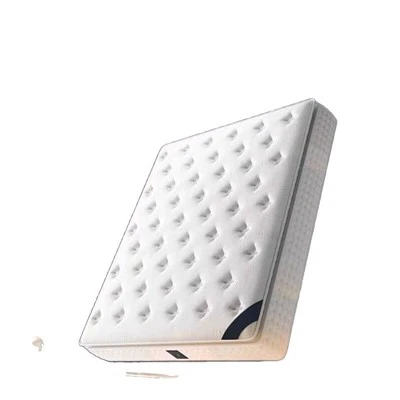
First, let’s get one thing straight: not all sponge mattresses are created equal. That’s the biggest mistake most people make when researching this – they lump every “foam” or “sponge” mattress into the same bucket. There’s memory foam, latex foam, polyfoam, high-density sponge foam, all of it, and each has totally different properties when it comes to allergy triggers. Let’s start with the bad stuff first, because that’s what people actually talk about. The two big allergy culprits in mattresses are dust mites and volatile organic compounds (VOCs) – and both can show up in lower-quality sponge mattresses.
Dust mites are the boogeyman for a lot of allergy sufferers, right? They love warm, dark, humid places, and their dead skin and waste trigger sneezing, congestion, even eczema for some people. Traditional innerspring mattresses, with all those crevices between coils, are basically perfect dust mite hotels. But what about sponge mattresses? Wait, here’s the wild part: solid, high-density sponge foam doesn’t have those tiny gaps and crannies like innersprings or even some loose pillow top mattresses. Dust mites can’t burrow deep into it the way they do in other mattress types. But – and this is a huge but – if the sponge mattress is low-quality, cheap, and not covered with a tightly woven, hypoallergenic fabric? Moisture can get trapped, and if it’s porous (like really low-density, flimsy sponge), dust mites can still hang out on the surface. I’ve seen this happen with the super cheap import models that go for under $200 – they’re thin, soft, and the fabric is like a loose t-shirt, so it doesn’t block anything. That’s not the sponge mattress I sell, though. The high-density ones we carry have a 100% polyester microfiber cover that’s tightly woven – like, so tight dust mites can’t even get through to the foam, and it’s machine-washable too, which is a game-changer for people with allergies. You just peel the cover off and toss it in the wash once a month, no weird deep-cleaning hoops to jump through.
Now the other big scare: off-gassing. That new mattress smell that hits you when you unroll a sponge mattress (especially the ones that come compressed in a box) is just VOCs escaping as the foam cures. The worry is that these chemicals can irritate allergies, cause headaches, or even make breathing harder for people with sensitivities. This is where quality really makes all the difference. A lot of the cheap sponge mattresses out there use low-grade polyfoam with cheap chemical additives to make it soft and cheap – those are the ones that off-gas for weeks, even months. But the sponge mattresses I supply use CertiPUR-US certified foam. If you don’t know what that is, it’s a third-party certification that tests for over 100 harmful chemicals, like formaldehyde, phthalates, and heavy metals. The foam has to meet strict limits, and there’s added bonus: it doesn’t off-gas for more than 48 hours, if at all. Most people who get our mattresses say the smell is gone by the time it’s expanded fully, which usually takes a day or two. I get a ton of emails from people with chemical sensitivities saying they’ve tried memory foam before and had headaches, but our models didn’t bother them at all. That’s the key – not all sponge mattresses off-gas. Only the bad ones do.
Wait, but let’s not pretend sponge mattresses are perfect for every allergy sufferer. If you’re allergic to latex, for example, some sponge mattresses are made with natural latex foam, which has tiny, natural rubber particles that can trigger reactions for people with severe latex allergies. We make sure to note which of our models are synthetic latex (which is safe for latex allergies) and which are memory foam, so there’s no confusion. Also, if you live in a super humid climate? Even the best sponge mattress can trap a little moisture if you don’t have good airflow around your bed. That’s not the mattress’s fault – that’s bedroom maintenance. You just have to make sure your mattress is on a solid bed frame with slats that aren’t too close together, and maybe use a breathable sheet set, instead of sticking it on a box spring that’s totally sealed shut. I have a customer in Florida who was worried about this, and she reached out asking for tips – we told her to leave her window open when the weather is nice, and rotate her mattress every three months, and she’s been using one of our models for two years with no allergy issues.
Another thing people don’t talk about: compared to other mattress types, sponge mattresses are way easier to keep clean overall. Innersprings have those gaps that collect dead skin, sweat, dust, even pet dander if you have animals – you can’t really get into those gaps with a vacuum, no matter what attachments you use. Memory foam mattresses, if they’re not covered properly, can absorb spills and sweat, and that moisture gets trapped deep in the foam, turning into a breeding ground for bacteria and mold over time. But high-density sponge foam is non-porous? Wait, no – wait, actually, high-density foam is less porous than low-density, but if it’s CertiPUR-US, it has a closed-cell structure that makes it resistant to mold and bacteria growth, as long as you clean the cover regularly. We actually recommend our customers use a waterproof mattress protector too, even though our covers are machine-washable – it’s just an extra layer of defense against spills and sweat, which are two of the biggest things that feed allergy triggers.
I know a lot of people are still skeptical, and that’s fair. A few years back, there was a bunch of buzz about cheap sponge mattresses causing allergy flare-ups, and that stigma stuck. But let’s be real – when you buy a $150 sponge mattress from a big box store, it’s going to be made with cheap materials, no certifications, and it’s not going to last more than two or three years, which means you’ll have to replace it anyway, and all those chemicals will keep off-gassing the whole time. The sponge mattresses we supply are built to last 8-10 years, same as a good mid-range innerspring, and all the materials are tested to be low-allergen. We even have a 100-night trial period, so if you try it and it makes your allergies worse, you can send it back, no questions asked. That’s how confident we are in what we sell.
Wait, let’s address a common myth, too – some people think sponge mattresses are too hot, and heat makes dust mites and bacteria grow faster. That’s partially true for old, dense memory foam, but modern sponge mattresses are made with cooling gel infusions or open-cell structures that let air circulate. Our most popular model for allergy sufferers has a gel-infused high-density foam that stays 2-3 degrees cooler than regular foam mattresses, so you don’t wake up sweating, which means less moisture in the bed, which means fewer allergy triggers. It’s a small detail, but it makes a huge difference for people who struggle with both allergies and hot sleep.
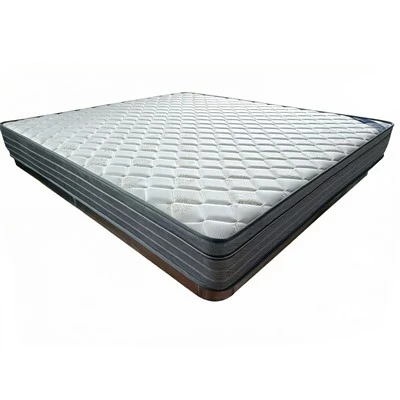
At the end of the day, the answer to “are sponge mattresses suitable for people with allergies?” is: it depends on which sponge mattress you get. If you go for the cheap, uncertified, thin ones from random brands, yeah, you’re probably going to have issues with off-gassing and dust mites. But if you go for a high-quality, certified, tightly covered sponge mattress from a reputable supplier, they’re actually a really good option for allergy sufferers – way better than traditional innersprings, easier to clean than standard memory foam, and less likely to hold onto those tiny, irritating particles that cause sneezing and congestion.
Spring Mattress If you’re someone with allergies and you’re in the market for a new mattress, I get it – you want to make the right choice without wasting money on something that’s going to make your symptoms worse. We’ve helped hundreds of customers with hay fever, dust mite allergies, even chemical sensitivities pick the right sponge mattress for their needs, and we’d be happy to walk you through the different models, answer any questions you have, or help you figure out if one of our mattresses is a good fit. Don’t just take my word for it, though – we have tons of reviews from allergy sufferers saying our mattresses changed their sleep and their symptoms for the better. If you want to chat more about your options, feel free to reach out for采购洽谈 – no pressure, just straight answers about what works and what doesn’t for people with allergies.
References
- American Academy of Allergy, Asthma & Immunology. (2022). Allergen control in the bedroom: Key steps to reduce exposure.
- Environmental Protection Agency. (2021). Volatile organic compounds (VOCs) in consumer products: Health effects and testing standards.
- Sleep Foundation. (2023). Mattress types and allergy risk: A comprehensive guide.
- CertiPUR-US. (2024). Program standards for foam mattresses and cushions.
- Journal of Allergy and Clinical Immunology: In Practice. (2020). Comparison of dust mite accumulation in innerspring, memory foam, and latex mattresses.
Jiujiang Jinlu Furniture Co., Ltd.
As one of the most professional sponge mattress manufacturers and suppliers in China, we offer a wide range of products with superior quality. Please feel free to wholesale customized sponge mattress at competitive price from our factory. For quotation, contact us now.
Address: No.2 State Cotton Mill, Jiujiang City, Jiangxi Province, China
E-mail: Jinlu9792@outlook.com
WebSite: https://www.jinlufurniture.com/
