What’s up, gearheads and car lovers? If you’ve ever dealt with a clunky, bouncy ride—especially on winding roads or rough terrain—you’ve probably heard of sway bars. But if you’re in the market for a new one, you might’ve asked a question that’s way more important than you think: What’s the warranty period for a sway bar? As someone who’s been in the sway bar supply game for years, I’m here to break this down like we’re chatting over a cold beer after a long day at the shop. No fancy jargon, just straight talk about what actually covers your sway bar, what doesn’t, and why it matters for your ride. Sway Bar
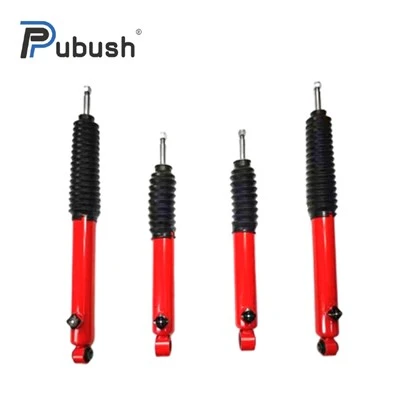
First off, let’s cut to the chase: There’s no one-size-fits-all answer. It’s not like a phone that has a 12-month warranty across the board. Sway bar warranties depend on a ton of stuff—what the bar’s made of, where you bought it, how you drive, and even the brand. But before we dive into the numbers, let’s make sure we’re on the same page: A sway bar (also called an anti-roll bar) isn’t just a random metal rod. It’s a critical part of your suspension that keeps your car from leaning way too much when you turn or take corners fast. Cheaply made ones might bend, rust, or break after a few months, while quality ones can last thousands of miles. That’s why the warranty is such a big deal—it’s the brand’s way of saying “we stand behind this part.”
Now, let’s get into the typical warranty periods you’ll see. Entry-level sway bars—think the budget options for daily drivers—usually come with a 1-year limited warranty. These are often made from thinner steel, might have basic coatings, and are designed for light use. If you’re driving a commuter car that rarely gets pushed, a 1-year warranty might seem fine. But here’s the catch: That warranty almost never covers “abnormal wear and tear,” which is just industry speak for “if you beat on it.” So if you’re taking your daily to the drag strip every weekend or bouncing it over back roads, that 1-year could be gone faster than you think.
Mid-range sway bars—made from thicker steel, with better corrosion protection, maybe even some performance tweaks—usually have a 2 to 3-year warranty. These are the ones a lot of enthusiasts go for. They’re built to handle more stress than the budget options, so the brand will back them for a bit longer. But again, it’s not a free pass. Most mid-range warranties cover defects in materials or workmanship, not damage from crashes, off-roading, or improper installation. Wait, right—installation. If you mess up the install yourself (like over-tightening the end links or bending the bar during mounting), that voids the warranty. I’ve seen this happen so many times: A guy buys a mid-range bar, tries to install it in his garage without a lift, bends it a little, then gets mad when the brand won’t cover it. Don’t be that guy.
Then there’s the high-performance sway bar stuff—for race cars, lifted trucks, or off-road rigs. These are heavy-duty, made from chromoly steel (way stronger than regular steel), have powder coatings that can take a beating, and are tested to handle extreme conditions. What’s their warranty? Some brands offer 5 years, and a few even have lifetime warranties. But hold up—lifetime doesn’t mean “as long as you own the car.” It usually means “as long as you’re the original owner and you use it for its intended purpose.” So if you buy a lifetime warranty bar and then sell the car, the next owner’s out of luck. Or if you use it for racing every weekend, that lifetime warranty might be voided because racing is considered “competition use,” which most brands exclude.
Now, let’s talk about the fine print, because that’s where 90% of people get burned. A lot of sway bar warranties are “limited,” which means they only cover parts, not labor. So if your bar breaks in year 2, the brand might send you a new one, but you’re on the hook for paying a mechanic to install it—usually $100 to $300, depending on the car. Some higher-end brands do cover labor, but those are the exception, not the rule. Also, corrosion is a big one. If you live somewhere with salt on the roads in winter, a sway bar that’s not properly coated might rust through, and many warranties won’t cover rust unless the coating was defective out of the box. So if you see a budget bar with a cheap paint job, don’t expect it to hold up to salt—your warranty won’t save it.
Wait, let’s also talk about aftermarket vs. OEM sway bars. A lot of people ask if OEM (original equipment manufacturer) sway bars have better warranties. Honestly? Not usually. OEM parts are made by the same companies that make aftermarket stuff, but their warranties are tied to your car’s original warranty. If your car is 5 years old and has 60,000 miles, the OEM sway bar’s warranty might have expired already. Aftermarket brands, especially the ones that specialize in sway bars, often have way more generous warranties because their whole business is built on that part. That’s one reason why a lot of folks end up going with aftermarket—better coverage for a part that’s actually going to work better.
But here’s the thing: Warranty period isn’t the only thing to look at. A longer warranty is great, but only if the brand is actually going to honor it. I’ve heard horror stories from guys who bought a sway bar with a 5-year warranty, then the brand went out of business a year later—good luck getting a replacement. Or brands that make you jump through hoops: send them the old bar, get it inspected, wait 6 weeks for a new one, and in the meantime, your car’s sitting in the driveway. That’s why when we supply sway bars, we make sure our warranties are clear, easy to file, and backed by a company that’s been around for ages—no flimsy startup brands here. We don’t want our customers stressing if their bar has a issue; we want them to know we’ve got their back.
Let’s also cover what voids a warranty, because this is super important. We’ve talked about improper installation, off-roading/racing, and modification. But other stuff? Using the wrong parts with your sway bar—like end links that aren’t designed for your specific bar, or bushings that are too soft. That can put extra stress on the sway bar and void the warranty. Also, not doing regular maintenance. Wait, sway bars don’t need a ton of maintenance, but checking the end links and bushings a few times a year—especially if you drive in rough conditions—can prevent issues. If your bushing falls off because you never checked it, and that causes the sway bar to bend, that’s on you, not the brand.
Now, you might be wondering: So what should I actually look for when buying a sway bar? If you’re a daily driver, go for a mid-range option with a 2 to 3-year warranty, make sure it’s got a good coating for corrosion, and buy from a supplier that’ll answer your questions about installation. If you’re a weekend warrior or off-roader, spring for the heavy-duty one with a 5-year warranty, maybe even a lifetime if you’re the original owner. And always read the warranty terms before you buy—don’t just look at the number on the box. A 1-year warranty sounds short, but if it covers defects and you take care of it, it might be enough. But if you’re pushing your car hard, a longer warranty is non-negotiable.
I’ve seen firsthand how a good sway bar (and a good warranty) can change someone’s ride. Last year, a customer came to us with a lifted truck that was leaning so bad he was scared to take it on the highway. He bought our heavy-duty sway bar, and when a bracket started to wear at 18 months, we replaced the whole thing—no hoops, no fees, just a quick email and a new part shipped out. That’s the kind of service we believe in, and it’s why our warranties aren’t just numbers on a page.
So, to wrap this up: The sway bar warranty period isn’t black and white, but here’s a quick cheat sheet: Budget sway bars = 1-year limited, mid-range = 2-3 years, high-performance = 5+ years (sometimes lifetime, with caveats). But always check the fine print, make sure the brand is reputable, and factor in how you actually use your car. A warranty is only as good as the brand that stands behind it.

If you’re in the market for a sway bar and want to know more about our warranty terms, or just have questions about which bar fits your ride, hit us up. We’re here to help, no sales pressure, just straight answers about what’ll work for you. Whether you’re a daily driver, a racer, or an off-road junkie, we’ve got sway bars with warranties that make sense, and we’ll make sure you get the right one for your needs.
Suspension Systems By Model References:
- National Highway Traffic Safety Administration. (2022). Vehicle Suspension System Components and Warranty Guidelines.
- Automotive Aftermarket Suppliers Association. (2023). Aftermarket Suspension Part Warranty Best Practices.
- Sway Bar Manufacturing Association. (2021). Material Durability and Warranty Coverage for Anti-Roll Bars.
- Consumer Reports. (2022). Buying Guide: Suspension Parts for Passenger Vehicles.
- Off-Road Industry Association. (2023). Heavy-Duty Suspension Part Warranty Standards for Off-Road Applications.
Xingtai Refined Machinery and Auto Accessory Co., Ltd.
Xingtai Refined Machinery and Auto Accessory Co., Ltd. is one of the most professional sway bar manufacturers and suppliers in China, featured by quality products and low price. Please rest assured to wholesale durable sway bar made in China here from our factory. Customized orders are welcome.
Address: XINGTAI REFINED MACHINERY AND AUTO ACCESSORY CO., LTD507 NORTH TAIHANG ROAD, XINGTAI CITY, HEBEI PROVINCE, PR.
E-mail: lindy@rfauto.biz
WebSite: https://www.pubush-suspension.com/
