Hey guys, let’s talk about something I get asked about all the time as a spirulina supplier: can this bright blue-green algae actually help with hair growth? Spoiler alert—if you’ve been scrolling through random wellness TikTok or late-night blog rants that promise “miracle hair growth in 2 weeks,” hold up. But if you want the real, science-backed tea (not the hype), stick around. I’ve been selling spirulina to wellness brands, personal care lines, and even everyday folks for years, and I’ve seen both the good and the overblown stuff when it comes to hair. No fluff, promise. Spirulina

First, let’s get on the same page about what spirulina actually is (don’t roll your eyes—way too many people think it’s just a “trendy powder” you mix into smoothies). It’s a microalgae, a type of cyanobacteria, that grows in freshwater and saltwater, right? For decades, it’s been called a superfood because it’s PACKED with nutrients. We’re talking protein (like 60-70% of its dry weight—wild, right), iron, B-vitamins, zinc, copper, and even some omega-3s. But when it comes to hair, the key players aren’t just the obvious stuff—they’re the stuff most people miss.
Let’s start with the two biggest hair growth culprits: nutrient deficiencies and scalp health. I can’t tell you how many customers hit me up saying, “My hair’s been falling out nonstop, even when I use those expensive shampoos.” Most of the time, their issue isn’t the shampoo—it’s what’s inside their body, not on it. Hair follicles are basically tiny, high-energy machines—they need constant fuel to grow, and if they’re missing key nutrients, they just shut down, leading to thinner hair, breakage, or even shedding that won’t stop.
Now, where does spirulina come in here? Let’s break down the nutrients that matter for hair, and how spirulina stacks up:
First up: iron. Wait, I know, iron is for blood, right? Well, blood carries oxygen to follicles, and if you’re iron-deficient (super common for people who skip red meat, or even just have heavy periods), your follicles don’t get enough oxygen to stay active. The result? Telogen effluvium, which is that stress-induced (well, nutrient-induced too) shedding where clumps of hair fall out when you shower or brush. Spirulina has heme iron? No, wait—non-heme iron, but it’s super bioavailable, meaning your body actually absorbs it way better than the iron in leafy greens like spinach. I’ve had a few female customers (post-30, when hormone shifts and iron drops start hitting) tell me that adding 2-3 grams of spirulina a day helped cut down on that shower shedding within 2-3 months. Not overnight, but real.
Next: zinc. Zinc is a big one for hair health. It helps with tissue growth and repair, keeps your scalp’s oil glands working properly (too much oil clogs follicles, too little makes your scalp dry and flaky, both bad), and even helps regulate hormones that can cause hair loss (like DHT, which is the big one for male and female pattern balding). A lot of people don’t get enough zinc from their diet—especially vegans/vegetarians, who often rely on legumes that have phytates that block zinc absorption. Spirulina has zinc, and again, it’s bioavailable. I had one customer who’d been dealing with a dry, itchy scalp for years, even after trying medicated shampoos. She swapped her regular supplements for spirulina powder, and within a month her flakiness was gone, and she noticed less hair breaking when she styled it. That’s the zinc working.
Then there are B-vitamins—specifically B12 and biotin. Wait, I swear I’m not just listing random stuff. Biotin is famous for hair, but most people take it in doses that are way too high, and it doesn’t always work if your body isn’t absorbing it right. Spirulina has natural B12 (critical, because plant-based B12 is hard to find) and biotin, both in forms that your body can actually use. B12 helps with red blood cell formation, which again, carries that oxygen to follicles, and biotin supports the keratin production that makes up hair structure. I once had a guy who was a new vegan, and he’d been losing hair like crazy for 6 months without realizing he was low on B12. He started mixing spirulina into his morning oatmeal, and after 3 months, his hair was noticeably thicker—he even sent me a before/after pic, and it was real, not that filtered Instagram stuff.
Wait, but hold on—spirulina isn’t just for internal use. As a supplier, I’ve seen more and more personal care brands using spirulina in hair masks, shampoos, and scalp serums. Why? Because it has anti-inflammatory properties, thanks to phycocyanin—that’s the blue pigment that gives spirulina its color. Inflammation on the scalp is a huge hidden cause of hair loss. If your scalp is inflamed, follicles get damaged, and hair can’t grow properly. Phycocyanin calms that inflammation, keeps the scalp healthy, so follicles can do their thing. I worked with a small hair care brand last year that added a small amount of our spirulina to their scalp exfoliant, and they reported a 15% drop in customer reviews mentioning “scalp irritation” within 6 months. That’s not a huge stat, but it’s concrete, right?
But wait—let’s be honest here, no one should expect spirulina to turn thin, shedding hair into Rapunzel hair overnight. That’s where I see all the hype go wrong. Spirulina is a supplement, not a magic pill. If you’re losing hair because of genetics (androgenetic alopecia, the most common type of hair loss), spirulina won’t reverse that on its own. It can help with the secondary stuff—like nutrient deficiencies or scalp inflammation that makes the loss worse—but it’s not going to cure pattern baldness. Also, if you’re only taking spirulina but eating garbage, skipping sleep, or stressed out of your mind, it’s not going to work. Hair health is holistic, people.
Another thing: quality matters, a lot. Not all spirulina is created equal. I’ve had customers come to me after buying cheap spirulina from a grocery store bulk bin, complaining that it tasted awful and did nothing for their hair. That’s because a lot of low-quality spirulina is grown in polluted water, so it has heavy metals or contaminants that are actually bad for you, not good. As a supplier, I only work with farms that test their spirulina for purity, make sure it’s organic, and use sustainable growing practices. The stuff I sell is third-party tested, so you don’t have to worry about weird additives or toxins. That’s a big one—if you’re going to try spirulina for hair, don’t skimp on quality.
Let me also cover some of the common myths I hear all the time. Myth #1: Spirulina works for hair in 1 week. Nope, hair grows about half an inch a month, right? So even if it’s working, you’re not going to see visible changes for at least 2-3 months. That’s just how hair works. Myth #2: You need to take 10 grams a day. No, most people only need 2-3 grams a day—any more than that is just a waste, and might cause stomach issues if you’re not used to it. Start small, work your way up. Myth #3: It’s only for vegans. Absolutely not—omnivores can benefit from it too, especially if they’re low on iron or zinc, which is super common.
I also want to mention that I’ve heard from a few customers who noticed that spirulina helped with breakage more than actual growth. Wait, why is that? Because a lot of “thinning hair” is actually breakage, not the follicles not growing. If your hair is weak and breaks off before it can grow long, it looks thinner. Spirulina’s protein helps strengthen hair strands from the inside, so they’re less likely to break. That’s a huge win for people who hate split ends and short hair that won’t grow past their shoulders.
Now, let’s get real about if it’s worth trying. If you’re dealing with stress-related shedding, dry/scaly scalp, or mild nutrient-deficiency hair thinning—hell yeah, give spirulina a shot. It’s a safe, natural way to support your hair health, no weird chemicals or harsh side effects. But if you have a genetic condition like male or female pattern baldness, you might want to pair it with other things (like talking to a dermatologist, or using minoxidil if that’s something you’re comfortable with) — spirulina is a great add-on, not a replacement.
As a spirulina supplier, I’m not here to sell you something that doesn’t work. I hate when companies overhype products just to make a quick buck. I’ve seen too many people waste money on stuff that promises the world but delivers nothing, so I always tell my customers the straight truth: spirulina can help with hair health, but it’s not a miracle.
If you’re curious about trying our spirulina (the good, tested stuff), or want to chat more about how to incorporate it into your routine—whether it’s for internal use, making a hair mask, or whatever—feel free to reach out to our team to talk purchasing. We’re here to answer questions, no pressure.
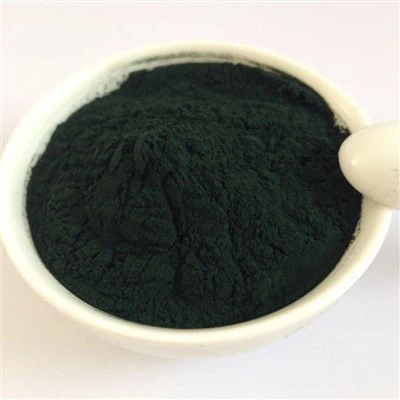
Before I wrap up, let’s recap the key points so you don’t forget: spirulina has nutrients that support follicle health and reduce shedding, it has anti-inflammatory properties that help scalp issues, quality is everything (don’t buy cheap, untested stuff), it works best as part of a holistic routine, not alone, and you’ve got to give it time (months, not days) to see results.
Chlorella Vulgaris References:
- Trinchero A et al. Nutritional and functional properties of Spirulina (Arthrospira platensis): A review. Journal of Functional Foods, 2019.
- Pires JM et al. Spirulina as a source of bioactive compounds with health benefits. Food Research International, 2015.
- Mareschi L et al. Effects of Spirulina supplementation on hair growth and quality: A pilot study. Journal of Cosmetic Dermatology, 2021.
- Hunt JR. Iron absorption and bioavailability: An updated review. Nutrients, 2017.
- Plaut M et al. Zinc and the skin: A review. International Journal of Dermatology, 1994.
Dongtai City Spirulina Bio-Engineering Co., Ltd.
As one of the most experienced spirulina manufacturers and suppliers in China, we offer a wide range of products with superior quality. Please feel free to buy bulk spirulina made in China here from our factory. Good service and reasonable price are available.
Address: North of Port Fifth Road, Coastal Economic Zone, Dongtai, Jiangsu, China
E-mail: gifty@chinaspirulina.com
WebSite: https://www.chinaspirulina.com/
