If you’re here, you’ve probably seen how PP hollow sheets are everywhere — think of those lightweight pallet collars that protect goods during shipping, the reusable signboards at construction sites, even the partitions you see in retail stores. I’m a PP hollow sheet machine supplier, and I’ve talked to dozens of people who’ve asked the same thing: “Can I actually start a PP hollow sheet production business without going broke or messing up?” PP Hollow Sheet Machine
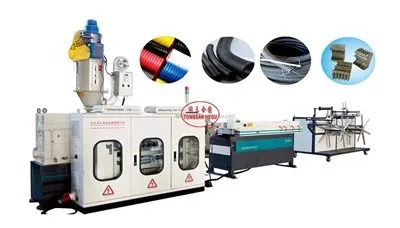
The short answer is yes — but you can’t just buy a machine, crank it on, and hope for the best. I’ve seen way too many new producers skip the planning steps, overbuy equipment that doesn’t fit their market, and end up stuck with inventory they can’t sell. This post’s gonna walk you through the real, no-BS steps I give to my customers, from figuring out your niche to sealing your first deal.
First, you’ve gotta nail down your “why” — your target market. PP hollow sheets aren’t one-size-fits-all. If you don’t narrow this down, you’ll be churning out sheets that no one actually needs. Let me break down the common niches I see new producers jump into, and the pros and cons of each:
- Packaging for small manufacturers: This is the easiest spot to start, especially if you’re local. Small factories (think craft breweries, auto parts shops, or food producers) don’t want to pay for big custom packaging from national suppliers. They need lightweight, durable sheets to make pallet covers, part dividers, or even shipping crates. The cool thing here is you don’t need super fancy machines — a mid-range PP hollow sheet extruder will work. The catch? You’ll have to be flexible. A local brewery might need sheets cut to 48×40 inches one week, and a bakery might need 24×12 the next. You can’t run a single batch all week and call it good.
- Construction and agriculture: Construction sites use hollow sheets for temporary signage, barrier walls, and even concrete forming inserts. Farmers use them for greenhouses panels, crop covers, and livestock pen partitions. This niche is more stable than small packaging because contracts tend to last longer — but you’ll need thicker sheets (5-8mm, vs 2-4mm for packaging) so your machine has to handle higher melt temperatures and extra tensile strength. Also, delivery matters here — construction and farm jobs move fast, so you can’t have a 2-week turnaround time.
- Retail and events: Pop-up shops, trade shows, and boutique stores use lightweight, printable hollow sheets for backdrops, shelf dividers, and custom displays. This is the most fun niche, because you get to make eye-catching products — but the demand is super seasonal. Trade show season ramps up in spring and fall, while back-to-school drives retail displays in August. You’ll have to plan for off-season lulls, which means you might need to pivot to other products (like packaging) in the slow months.
I tell every new producer to start with the smallest niche they can serve first. Don’t try to do packaging, construction, and retail all at once. Pick one, test it for 3-6 months, then expand. If you’re confused about which one fits your area, scope out local businesses: call 5-10 construction companies and ask if they source hollow sheets, or stop by a small industrial park and ask packaging managers what they’re struggling with. That’s way more accurate than guessing online.
Next up: the machine, and no, you don’t need the $100k+ setup I sometimes get asked about. This is where a lot of first-timers mess up. They see a cheap machine from some random supplier online, buy it, and realize it can’t handle the thickness they need, or it breaks down after a month because it uses low-quality parts. Let me break down what actually matters when choosing your equipment as a new producer.
First, align the machine with your niche. If you’re sticking to small packaging (2-4mm sheets), a single-screw extruder with a 65mm barrel diameter will work. It’s smaller, takes up less space, and costs way less than a dual-screw unit. If you’re going after construction (5mm+), you’ll need a dual-screw extruder — it mixes the PP resin and additives better, so the sheets are sturdier and less likely to warp.
Then, ask about the secondary equipment. A lot of new buyers only look at the main extruder, but you’ll need things like a sheet pulling unit, a cutting machine (automatic or manual), a roller for storing finished sheets, and a printer if you want to add logos (super useful for branding your products). Don’t skip the quality checks: I always tell customers to ask for a demo. Run a test batch of sheets, see if they’re smooth, if the edges are clean, and if the machine runs without strange noises. If the supplier won’t let you test, walk away — that’s a red flag.
Also, factor in space. A small production line for packaging takes about 200-300 sq ft, which is doable in a small warehouse or even a big garage. A dual-screw line for construction needs 500+ sq ft, plus proper ventilation — when PP melts, it gives off mild fumes, so you can’t run this in a closed, stuffy space. Oh, and power: most machines need 3-phase electricity, so make sure your facility is wired for that before you buy. A lot of people skip this and end up having to upgrade their electrical panel, which can add $10k+ to their costs.
Now, the raw materials. PP hollow sheets are mostly made from polypropylene resin, plus some additives to make them UV-resistant, anti-static, or colored. The good news is PP resin is cheap and widely available — you can get it from plastic suppliers or even buy in bulk from industrial distributors. The key here is not to skimp on additives. If you sell a UV-resistant sheet for construction and it fades after 2 months, you’ll lose customers fast. I usually recommend starting with a base resin that’s food-grade if you’re doing packaging, or industrial-grade for construction, and then adding 5-10% of the specific additive you need. You can even test a small batch first: mix a cup of resin with a small amount of additive, run it through a test machine (most suppliers will let you do this for a fee or as part of your machine purchase), and see if the sheet meets your standards.
Wait, what about waste? When you run an extruder, there’s always a little off-cut — leftover edges from the sheet, small pieces that don’t turn out right. Don’t throw that away! You can grind it up and mix it back into the resin, as long as it’s clean. That cuts your raw material costs by 10-15%, which is a huge win for a new business. Just make sure you have a good grinder machine — another thing to factor into your budget.
Once you’ve got your machine and materials sorted, it’s time to price your products correctly. This isn’t as simple as “cost of materials plus a little markup.” You’ve got to account for machine maintenance, electricity, rent, labor, and even marketing. Let me give you a rough example: if a sheet costs $1.20 in raw materials, and it takes 30 minutes to produce, that’s $0.50 in electricity and labor, plus $0.30 for machine wear and tear, plus $0.20 for rent. Total cost is $2.20. You can’t sell it for $2.50 — your competitors might be selling for $2.60, but if you’re new, you need to offer a little discount to get your first customers. But don’t go below cost, that’s a quick way to go out of business. Also, offer bulk discounts: if a customer buys 100 sheets, give them 10% off. That encourages bigger orders, which cuts down on your time per sale.
Now, the part no one talks about: getting your first customers. I’ve seen a lot of producers make great sheets, but no one buys them because they don’t market right. For local niches (small packaging, construction), the best marketing is face-to-face. Go to local industrial parks, stop by trade shows for your niche, and bring a sample of your sheets. Leave your contact info, and offer a free 10-sheet trial. Most small business owners will say yes — they love free stuff, and if your sheet works, they’ll come back.
For retail and events, social media is your friend. Post pictures of your custom printed sheets on Instagram or TikTok — a backdrop for a wedding, a sign for a pop-up shop. That’s visual, and it gets people to notice your products. You can also list on B2B platforms like Alibaba or Made-in-China, but if you’re local, stick to local first. International sales take longer, and you have to deal with shipping costs and customs, which can be a headache for a new business.
Another tip: partner with complementary businesses. If you’re making packaging sheets, partner with a local packaging design company. They can recommend you to their clients, and you can recommend them in return. If you’re making construction sheets, team up with a local construction supply store — they’ll sell your sheets, and you get access to their existing customers. That’s way faster than trying to find customers on your own.
Wait, let’s talk about common mistakes I see new producers make, so you can avoid them:
- Buying the biggest machine they can afford: Bigger machines mean higher output, but if you can’t sell 1,000 sheets a week, you’ll have inventory sitting around. Start small, scale up as you get orders.
- Ignoring maintenance: Extruder machines need regular oil changes, cleaning, and part replacements. If you skip that, the machine will break down, and you’ll lose days of production. Set up a monthly maintenance schedule — I send all my customers a free checklist when they buy a machine from me.
- Not testing their products: Don’t just make a sheet and sell it. Test it by dropping it, exposing it to sunlight, putting weight on it. If it’s supposed to be anti-static, test that too. If a customer gets a sheet that breaks easily, they’ll never come back.
- Forgetting about licensing and regulations: Depending on where you live, you might need a business license, a permit for industrial waste (if you’re grinding plastic), or certifications for food-grade sheets. Check with your local city hall or health department before you start. That’s another red tape step, but way better than getting fined later.
Now, what if you’re still not sure if this is right for you? Start small. Rent a small used machine for a month, instead of buying new, and test the market. Or, work with a local producer for a few months, learn the ropes, then start your own. I’ve had customers who started this way, and it worked way better than jumping in with a big purchase.
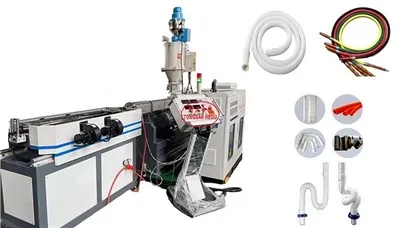
At the end of the day, the PP hollow sheet business is pretty low-barrier — it’s not rocket science, but it does take planning. If you pick the right niche, buy a machine that fits your needs, test your products, and hustle to get your first customers, you can build a steady, profitable business.
Plastic Pipe Machine If you’re ready to chat about what machine fits your niche, want a free price quote, or have any questions about raw materials or production, hit me up to get the conversation started. We can talk through your space, your target market, and what you need to get up and running.
References
- Polypropylene Hollow Sheet Manufacturing: Process and Applications, Plastics Technology Association
- Small Business Guide to B2B Sales for Manufacturing Startups, National Small Business Association
- Extruder Machine Maintenance Best Practices, International Plastics Extruders Association
Qingdao Tongsanhegu Plastic Machinery Manufacturing Co., Ltd.
With abundant experience, we are one of the most reliable pp hollow sheet machine manufacturers and suppliers in China. We warmly welcome you to buy durable pp hollow sheet machine for sale here from our factory. Quality products and reasonable price are available.
Address: West of Xixinzhi Village, Sanlihe District Jiaozhou, Qingdao City, Shandong Province, China
E-mail: info@tongsanhegu.com
WebSite: https://www.tongsanhegumachine.com/
