Hey everyone, and welcome back to the blog! Today, I’m sitting in my office at our steel structure warehouse supply facility, staring at a set of blueprints for a 12,000 sq ft industrial space a client dropped off yesterday. The first question they asked? “Can you actually install overhead doors on a steel warehouse I’m building with your frames?” Steel Structure Warehouses
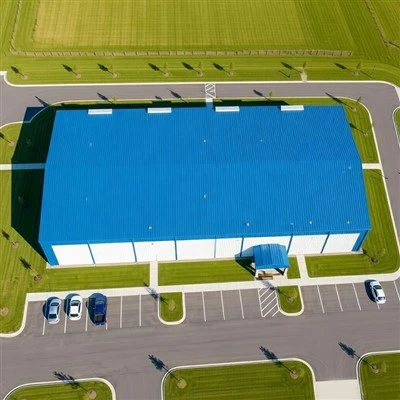
It’s not just a random question, either. Overhead doors are the backbone of most industrial steel structures—they keep out rain, wind, and critters, and they let forklifts, delivery trucks, and big machinery roll in and out without a hassle. As someone who’s been selling and installing steel warehouses for 8 years now, I hear this all the time, so let’s break this down straight—no confusing jargon, no corporate fluff.
First off, the short answer: Hell yeah, you can. In fact, overhead doors are one of the most common add-ons we spec for every steel building we supply. But don’t take that as “just screw a door into your frame and call it a day” because there’s a little more to it than that, and that’s what I want to walk you through. Let’s start with why steel warehouses make such great bases for overhead doors to begin with.
Steel structures are way more rigid than, say, old wood-framed warehouses. That rigidity is non-negotiable for overhead doors, right? Those big, heavy panels (even the insulated ones for cold storage or weather control) need a solid frame to anchor to, and steel doesn’t shift, warp, or settle the way wood can over time. I’ve seen wooden warehouse doors start sagging within 5 years because the header frame twisted from humidity, but with steel? That’s a non-issue. Our steel frames are precision-cut to within 1/8 of an inch, so when we spec the door opening, it’s exactly the dimensions the overhead door manufacturer needs. No measuring twice, cutting once and messing up the fit.
Now, let’s get into the actual installation. Here’s where a lot of DIYers get tripped up—but don’t worry, that’s why we’re here. First, you’ve got to pick the right door type for your steel warehouse. We usually steer clients to sectional overhead doors (the ones that lift up and tuck into the ceiling track) because they’re the most popular for industrial spaces. Roll-up doors are another option, especially for smaller openings or if you need maximum ceiling space, but sectional is easier to repair if a panel gets dented by a forklift. Whatever you pick, the key is that the door’s specs have to align with your steel building’s opening.
Wait a second—what if you already have a steel warehouse from someone else, not us? No sweat, we still work with those too, but here’s the catch: you can’t just show up to a random door company and say “make me an overhead door.” They need the exact height of your steel frame’s lintel (the horizontal part at the top of the door opening) and the clear space above the opening for the door’s track and spring system. That’s the stuff that’s already built into our steel warehouses, because we design every opening to leave enough headroom—usually 18 inches to 24 inches above the door frame—for the hardware. If your steel building is missing that, you might have to modify the frame, which is an extra cost we’d rather you avoid by working with us from the start.
Let’s talk weight, too. Industrial overhead doors aren’t like the flimsy garage doors on your house. A single 12 ft wide x 14 ft tall steel sectional door can weigh 300 lbs or more, right? That’s why the anchor points for the door’s tracks and springs have to be strong enough to hold that weight—and handle the constant opening and closing, day in and day out. Our steel frame posts and lintels are rated for that exact load. We engineer every opening so that the anchors for the overhead door hardware go straight into the steel purlins that are already part of the roof structure. That way, there’s no risk of the frame pulling loose over time, even with a 10,000 lb forklift slamming the door open twice a day.
I know what you’re thinking: “What if I need a really big door, like 16 ft wide x 18 ft tall, to fit semi-trucks?” No problem. We’ve installed those on tons of our steel warehouses. The secret here is using heavy-duty hardware—thicker tracks, higher-tension springs, reinforced panels. We don’t cut corners on that because a big overhead door that doesn’t work is a waste of money. Last year, we did a 14,000 sq ft warehouse for a local logistics company with two 18 ft wide semi doors, and they’ve been running them 12 hours a day for a year with zero issues. They even added a pedestrian door next to the big ones for their workers, and that’s worked just as well.
Wait, what about insulation? A lot of our clients use their steel warehouses for storage, or even small manufacturing, so they need overhead doors that keep the temperature stable. All the sectional doors we carry are insulated with polyurethane foam, same as the steel panels in our warehouses. That means the door doesn’t transfer heat or cold, so you don’t get condensation building up on the door frame, which can cause rust or mold. Rust is the worst enemy of steel warehouses, by the way—so if you’re doing any installation, making sure the door and frame are sealed properly is key. We use weatherstripping around the edges of every overhead door we install, which fills any gaps between the door and the steel frame, keeping water, wind, and bugs out.
Let’s get real about mistakes I’ve seen over the years. A few months back, a guy brought us a steel warehouse he bought from a big-box supplier—said they cut corners on the frame, so when he tried to install a 14 ft wide overhead door, the lintel above the opening was only rated to hold 150 lbs. His door was 320 lbs, so when he opened it for the first time, the lintel bent a half-inch. We had to reinforce the frame with extra steel beams, which cost him twice as much as if he’d just worked with us in the first place. Don’t do that. The biggest mistake people make is not coordinating the overhead door order with the steel warehouse build. If you order the steel warehouse and the overhead door at the same time, we can spec the door opening exactly to the door’s dimensions, so there’s no retrofitting needed. That saves you time and money, which is basically the name of the game for industrial projects.
Another thing: maintenance. Steel warehouses are low-maintenance, and the overhead doors we install are too. You just need to lubricate the tracks and springs every 6 months, check the weatherstripping for tears, and fix any small dents in panels as soon as they happen. We offer a 1-year maintenance check for all clients who buy both the steel warehouse and overhead doors from us, so you don’t have to worry about forgetting that stuff. If you have a steel warehouse and already have a door that’s not working, we can come out and fix it too—just give us a call.
Now, let’s talk about custom stuff, because not every project is the same. If you need a rolling service door for a loading dock, or a high-speed door for a clean room in a manufacturing warehouse, we can adjust the steel frame to fit that. We’ve even done overhead doors with wicket doors for smaller personnel access, so workers don’t have to open the whole big door every time they go in and out. The key here is that we design the steel warehouse around your needs, not the other way around. That’s the advantage of working with a specialty steel structure supplier, not a general contractor who dabbles in steel buildings. We know how the door fits into the frame from the very first blueprint, so there’s no surprises down the line.
I get why some people are hesitant. If you’ve had a bad experience with a flimsy steel building before, you might think overhead doors are a problem. But the difference is that we engineer every part—from the frame thickness to the door hardware—to work together. Our steel warehouses have a 20-year structural warranty, and the overhead doors we install come with their own 5-year parts warranty, so you can feel confident that it’s not going to fall apart in a year.
Let me wrap this up. Installing overhead doors on a steel warehouse isn’t just possible—it’s one of the easiest, most practical upgrades you can do for your space. The rigidity of steel frames makes them way better than wood or concrete for supporting heavy overhead doors, and as long as you coordinate the door specs with your steel warehouse build from the start, you won’t run into any headaches. No retrofitting, no extra costs, just a solid, working door that lasts.
If you’re currently planning a steel warehouse and you’re ready to add overhead doors (or you have questions about fitting existing doors to your frame), hit us up to connect for a procurement chat. We can walk you through the different door types, help you spec the right opening for your needs, and make sure everything lines up so you don’t have to deal with the mistakes I mentioned earlier. No pressure, just honest advice for your project.
Before I go, a quick note for anyone doing their own research: when you’re checking overhead door specs, make sure to look for doors rated for steel structure applications, not just residential garage doors. Residential doors are too light and not built to handle the daily wear and tear of industrial use. That’s another thing we can help with—we only carry commercial-grade doors that are made specifically for steel warehouses.
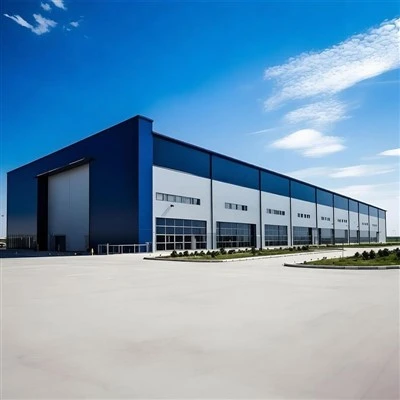
Alright, that’s all for today. If you have more questions, drop a comment below or reach out to us directly. Catch you next time!
Steel Structure Components References:
- Steel Building Institute. (2022). Design Considerations for Overhead Door Openings in Pre-Engineered Steel Structures.
- International Code Council. (2021). International Building Code: Load Requirements for Structural Openings in Steel Buildings.
- Door and Access Systems Manufacturers Association. (2023). Recommended Practice for Overhead Door Installation on Steel Framed Structures.
Shenyang Huaying Weiye Steel Structure Co., Ltd.
Shenyang Huaying Weiye Steel Structure Co., Ltd. is one of the most professional steel structure warehouses manufacturers and suppliers in China, featured by quality products and good price. Please rest assured to wholesale CE approved steel structure warehouses made in China here and get quotation from our factory. We also accept customized orders.
Address: Shenyang Huaying Weiye Steel Structure Co., Ltd., Hongxing Road, Yuhong District, Shenyang City, Liaoning Province, China.
E-mail: syhywy.ss@gmail.com
WebSite: https://www.steelstructurehy.com/
