If you’re a wire galvanizing equipment operator or buyer, you already know the final output’s quality lives or dies by how well your gear does its job. I’m from a wire galvanizing equipment supplier that gets tons of questions: “How do I actually test the galvanized wire I’m producing, instead of just guessing it’s good?” No fancy lab tricks, no jargon you have to Google twice—just actionable, equipment-aligned tests you can run on your shop floor, no extra budget needed. Let’s break this down like we’re chatting over a coffee break, no corporate fluff here. Wire Galvanizing Equipment
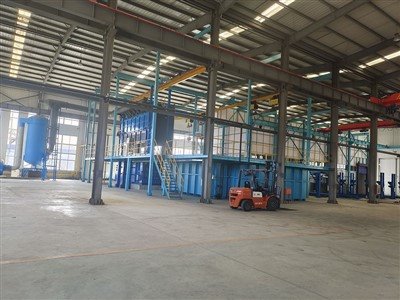
First, let’s get one thing straight: your equipment’s quality is the foundation. If your galvanizing line is spitting out inconsistent zinc thickness, you can’t fix that with a “test” after the wire is made—you have to test the equipment’s performance first, then validate the wire’s quality against those specs. I’ve seen so many shops skip this step, waste steel, and end up with reams of wire that corrode in 6 months instead of the 10+ they should last. That’s money down the drain, and it all starts with understanding what your galvanizing process is actually doing.
Let’s start with the most basic (and most missed) test: zinc coating thickness. This isn’t just a number from a lab—you can run this right on your line with a portable thickness gauge, no waiting. Here’s the thing: galvanized wire needs a minimum zinc thickness to hold up. For example, fencing wire or construction binding wire usually needs at least 85 microns; wire for hanging clothes or small fasteners can get by with 50, but any less and it’s toast. How do you test this with your equipment? First, run a 10-foot test length of steel wire through your line, identical to the wire you plan to galvanize. Don’t just measure one spot—grab 5 random 1-inch sections along that length. If your equipment is working right, all readings should be within 10 microns of each other. If one section is 60 microns and another is 110, that’s your equipment’s hot dip pot or wire speed controller messed up. I’ve had customers come to me after buying cheap galvanizing lines, and this test was all over the place—one section thick, one too thin, because the speed roller didn’t adjust evenly. That’s a fixable issue, but you have to test it first.
Wait, why is consistency here so big? If your wire has patchy zinc, the thin spots will rust first. I’ve seen a fence made with wire that had 1 year of warranty rust in 8 months because the galvanizing line’s pre-cleaning tank was full of grease, so the zinc didn’t adhere right. That’s not the wire mill’s fault—that’s your equipment’s pre-treatment stage slacking. So this thickness test isn’t just a number; it’s a window into how every part of your line is working. If your pre-cleaning is too weak, zinc won’t stick, so thickness will look low. If your pot is too cold, zinc builds up unevenly. If your wire speed is all over the place, thickness varies along the length. This simple test tells you exactly which part of your equipment is acting up.
Next up, adhesion test. This is the make-or-break test—even if your zinc is thick, if it flaks off when you bend it, it’s useless. Customers always ask “can my equipment cause that?” Absolutely. If your pre-treatment skipped a step, or your zinc pot has too much lead (wait, lead is a common additive, too much ruins adhesion), that’s your gear’s fault. How to test this? It’s super simple, no fancy tools. Take your test galvanized wire, bend it 180 degrees around a metal rod that’s the same diameter as the wire you’re making, then bend it back the other way. Do that 5 times total, then look at the bend area. If zinc flakes off in big chunks, that’s adhesion failure. If it’s just a tiny bit of dust, that’s normal. Now, if this test fails, check your equipment’s pre-cleaning first—are your acid tanks fresh? Old acid won’t strip all the mill scale off the wire, so zinc can’t bond. Are your flux tanks hot enough? Flux is what helps zinc stick to steel; if it’s too cold, it does nothing. I’ve had a customer tell me their new line’s flux tank was only 100°F instead of the required 190°F—running this adhesion test caught that before they produced 10,000 feet of bad wire. Saved them a ton of scrap.
Another thing here: if your equipment uses electrolytic galvanizing (not hot dip, which is super common), the adhesion test works the same, but you might also check for pinholes. Pinholes are tiny spots where zinc never coated, and they’re a corrosion time bomb. How to test for pinholes? You can do a simple salt spray test on a small section of wire, or even a spark test if your shop has the gear. Run a low-voltage current through the wire submerged in salt water—any pinhole will cause a spark, or current will leak. If you’re using electrolytic gear, uneven current flow from your rectifier can cause pinholes, so this test tells you if your power supply is calibrated right. I’ve adjusted rectifiers for customers before, and their pinhole count dropped from 15 per foot to 0—just by testing the current with the wire, not just trusting the equipment’s display numbers.
Let’s talk about mechanical strength, too. A lot of people forget that galvanizing shouldn’t weaken the wire. If your line heats the steel too hot, or pulls it too fast, the wire can become brittle and snap when it’s used. That’s a big problem—no one wants to run a fence that breaks in a heavy wind, or a binding wire that snaps mid-use. How to test this? Take a 5-foot length of your galvanized test wire, use a simple tension tester (you can get a cheap portable one, or even a spring scale from a hardware store) to pull it until it breaks. Compare the breaking strength to the original raw steel wire you used before galvanizing. If it’s 10% lower or more, that’s your equipment’s heat treatment (or lack thereof) messing up. Hot dip galvanizing should take the wire up to around 850°F, but if it’s too close to the melting point of steel, the steel’s molecular structure changes, making it brittle. I see this all the time with low-budget galvanizing lines—they skimp on temperature controls, so they crank the heat high to get good coating, and ruin the wire’s strength. This simple tension test catches that before you sell or use the wire.
Wait, what about uniformity across the entire coil? You might test the first 10 feet, but what about the last 10 feet of the coil? I’ve had a customer whose line’s zinc pot was low, so the last 50 feet of every coil had half the required thickness. They only noticed when they had a load of returned wire because it rusted uneven. Test your equipment’s consistency throughout a full coil: run a whole coil, test the start, middle, and end. If thickness drops off at the end, your pot needs to be refilled, or your wire feed speed ramps up at the end (some cheap lines have inconsistent speed at coil ends). That’s an equipment issue you can fix with a quick speed adjustment, no need to replace the whole line.
Now, let’s get real—this is all tied to your equipment’s calibration. You can have the fanciest galvanizing line on the market, but if you never calibrate the thickness gauges, temperature sensors, or speed rollers, your wire quality will be garbage. I recommend doing these tests at least once a week, or every time you change wire size (different wire sizes need different speed, temperature, pre-cleaning times). For example, if you’re switching from 16-gauge fencing wire to 12-gauge binding wire, your pre-cleaning time needs to be longer for the thicker steel. Most new operators skip adjusting for wire size, and their wire comes out wrong. Testing with a small test run before switching full production catches that.
I’ve had so many people tell me “I just buy galvanized wire from mills, why would I need to test my own if I run a galvanizing line?” But here’s the thing: if you run a galvanizing line, you’re the one controlling the quality. You can adjust the process to fit your needs—maybe a thicker coating for a coastal area (salt air is way harder on wire), or a thinner coating for indoor use where it doesn’t get wet. Testing your equipment lets you do that. If you don’t test, you’re guessing, and guesswork loses you money—scrap wire, returned orders, frustrated customers.
Wait, let’s wrap this up with what this all means for you. I’m not saying you need a whole lab set up in your shop. You can do all these tests with tools most galvanizing shops already have: a portable thickness gauge, a tension tester, a metal rod, salt water (for electrolytic). If your tests are off, it’s almost always an equipment issue: pre-treatment, temperature, speed, rectifier, or zinc pot level. Most of these are easy fixes, not a full equipment replacement.
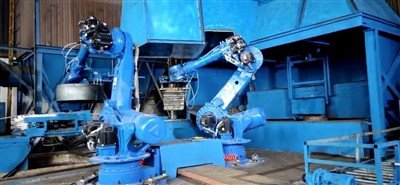
If you’re running a galvanizing line and you’re not sure why your wire quality is inconsistent, or if you just want to upgrade your equipment to make testing easier, get in touch. We build galvanizing equipment that’s designed with these tests in mind—calibrated sensors, adjustable rollers, easy to monitor temperature and speed, so you don’t have to guess what’s going wrong. We don’t do one-size-fits-all gear; we work with you to outfit a line that fits your wire needs, and we walk you through how to run these tests to keep your wire quality up. Don’t waste another run on bad wire—let’s figure out how to make your equipment work for you.
Hot Dip Galvanizing Equipment Parts References
- American Society for Testing and Materials (ASTM) A123 / A123M – Standard Specification for Zinc (Hot-Dip Galvanized) Coatings on Iron and Steel Products
- International Organization for Standardization (ISO) 1461 – Hot-dip galvanized coatings on fabricated iron and steel products – Specifications and test methods
- Galvanizers Association, “Best Practices for Testing Galvanized Wire and Equipment Performance”
- Wire Industry Association, “Mechanical Strength Testing for Galvanized Wire Products”
Jinzhou Hongri Galvanizing Equipment Co., Ltd.
As one of the most professional wire galvanizing equipment manufacturers and suppliers in China, we’re featured by quality products and good price. Please rest assured to buy durable wire galvanizing equipment for sale here from our factory. We also accept customized orders.
Address: Yingpan Industrial Park, Taihe District, Jinzhou City. Address: No. 90, Gongwei Street.
E-mail: rsea.jz@163.com
WebSite: https://www.hrgalvanize.com/
