If you’ve ever pulled on a pair of running tights before a winter morning jog, or reached for a training hoodie on a brisk hike, you know sportswear does more than just keep you covered—it adapts to your body’s temperature in ways that casual clothes never will. As a sportswear fabric supplier, I get asked this question all the time: what makes some athletic fabrics feel warm, while others leave you sweating through your base layer? It’s not just a guess about thickness or brand labels; heat retention in sportswear is a balance of science, material choice, and intentional design. Let’s break it down, because understanding this difference makes choosing the right fabric for your next line of athletic wear feel way less like a shot in the dark. Sportswear Fabric
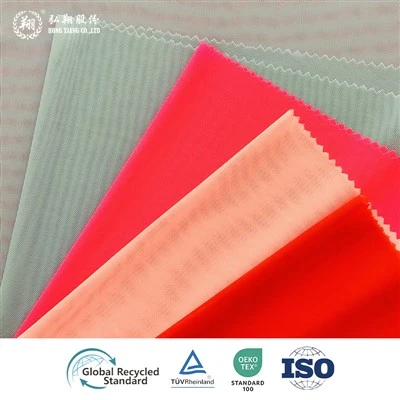
First, let’s get the basics right. Heat retention, put simply, is a fabric’s ability to trap your body’s natural heat instead of letting it escape into the air. Your body works best at a core temperature of around 98.6°F, and when you exercise, you generate even more heat—your body sweats to cool itself down, and the layer of air next to your skin (called the microclimate) is where all the action happens. A fabric’s job is twofold: trap the heat your body produces when you’re moving, and vent excess moisture so you don’t get chilled when you stop. This is way different from the heavy wool coats or cotton sweaters you wear for weekend errands—cotton, for example, absorbs sweat and stays wet, and wet fabric loses its insulation value 90% faster than dry fabric. That’s why cotton T-shirts leave you shivering after a run; they don’t work with your body’s active rhythm.
So where does a sportswear fabric’s heat retention come from? It starts with material chemistry. Not all fibers are created equal when it comes to holding warmth. Natural fibers like wool have a tiny twist in each fiber that creates tiny pockets of air—air is one of the best insulators we have, because it doesn’t conduct heat easily. But not all wool is the same, and the merino wool used in high-end athletic fabrics is a step above regular wool: it’s finer, softer, and has scales that repel odors, plus those tiny air pockets don’t get weighed down by sweat the way regular wool can. For synthetic fibers, polyester and nylon (the workhorses of sportswear) have their own tricks. Many are engineered with hollow cores—empty space inside the fiber that traps air, boosting insulation without adding weight. Even more, modern synthetics can be treated with wicking agents that pull sweat away from your skin, so the air pockets stay dry and keep insulating.
But fiber type is only part of the story. The structure of the fabric itself matters just as much. Let’s talk about knit vs. woven fabrics, for example. Knit fabrics are made of looped yarns, which means they have more space between yarns to trap air. Fleece, the soft, fuzzy lining of so many training jackets, is a knit fabric where the surface has been brushed to create even more tiny air pockets—its trademark coziness comes directly from that fuzzy, porous structure. Woven fabrics, on the other hand, have tight, interlaced yarns that are less breathable but can still be insulating if they’re engineered right. Think of a windbreaker shell: it’s a tightly woven nylon or polyester, coated with a water-repellent film that blocks wind (a huge enemy of heat retention—wind blows away the warm air next to your skin) but still lets moisture escape so you don’t overwork. The key here is balance: a fabric can’t be so tight that it traps sweat, because wet fabric loses insulation fast.
Another factor people don’t always consider is weight. Wait, hold on—weight isn’t a direct measure of heat retention, right? If you’ve ever worn a light, thin fleece on a cold day and stayed warm, you know that. But when comparing two fabrics of the same material, a mid-weight fabric will trap more air and hold more heat than a lightweight one. That’s why base layers come in light, mid, and heavy options: a light weight is for spring training, mid for fall, heavy for winter. But here’s the catch: too heavy, and you’re carrying extra bulk, which slows you down. The sweet spot is fabrics that are lightweight but have that engineered structure to hold air without excess weight. For example, many of our winter sportswear fabrics use a blend of hollow-core polyester and merino wool, so they’re 30% lighter than a 100% heavy wool fabric but retain the same amount of heat.
Let’s address a common misconception: “waterproof” fabric doesn’t mean “traps all heat.” Actually, many waterproof sportswear fabrics use a microporous membrane—tiny holes too small for water droplets (sweat) to pass through, but big enough for water vapor. That way, sweat escapes as vapor, but wind and rain can’t get in. If a fabric is truly fully waterproof and non-breathable, like a rubber raincoat, you’ll end up soaked in your own sweat, and the wet fabric will cool you down fast. That’s why the best heat-retentive sportswear is always breathable—it’s a dynamic system, not a static barrier.
Now, why does this matter if you’re a brand designing athletic wear, or a consumer shopping for the right gear? For me, as a sportswear fabric supplier, I’ve seen brands make costly mistakes by choosing fabrics that prioritize aesthetics over function. A brand might pick a thin, sleek fabric for a winter running line because it looks good in marketing photos, only to get feedback from customers that the gear is too cold or too sweaty mid-run. The best heat-retentive fabrics aren’t just warm—they’re adaptive. When you’re sprinting, your body generates heat, and a good fabric will let excess heat escape without letting wind in. When you stop to catch your breath, the fabric traps that stored heat to keep you from shivering.
There’s also a difference between static heat retention (how warm a fabric is when you’re resting) and dynamic heat retention (how it performs during activity). Static warmth is easy—you can pile on a heavy fleece and stay warm sitting on a couch—but dynamic warmth is where sportswear stands out. A study from the Textile Institute found that active sportswear fabrics with engineered air pockets retain 40% more heat during moderate exercise than non-engineered, heavy fabrics, while also wicking 85% more moisture. That’s a huge difference for athletes who need to move comfortably.
So, what should you look for when choosing a heat-retentive sportswear fabric? First, check the construction: look for fabrics described as “hollow-core,” “microporous,” or “brushed knit” — these all indicate air trapping technology. Second, avoid heavy, non-breathable fabrics unless you’re designing for extreme, low-activity cold (like ice climbing, where you won’t be sweating much). Third, consider blend options: merino wool-synthetic blends often balance softness, heat retention, and moisture wicking better than 100% natural or 100% synthetic fabrics.
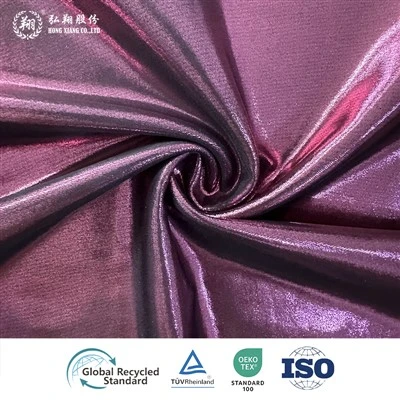
At the end of the day, heat retention in sportswear is all about working with your body, not against it. It’s not about making fabrics warmer for warmth’s sake—it’s about making fabrics that adjust to how you move, when you move, and what the weather throws at you. If you’re a brand looking to source sportswear fabrics that balance heat retention, breathability, and durability, I’d be happy to walk you through our line of performance fabrics tailored for every sport and climate. Let’s connect to discuss your specific needs and find the right fabric for your next collection.
Interlock Knitted Fabric References
- Textile Institute. (2021). Dynamic Thermal Performance of Active Sportswear Fabrics. Journal of Textile and Apparel, Technology and Management.
- National Institute for Occupational Safety and Health. (2019). Thermal Properties of Fabrics for Active Work in Cold Environments. NIOSH Publication.
- International Wool Textile Organization. (2020). Merino Wool vs. Synthetic Fibers: Thermal Retention and Moisture Management. IWTO Technical Report.
- American Society for Testing and Materials. (2022). Standard Test Methods for Thermal Retention of Textile Fabrics. ASTM International.
Zhejiang Hongxiang Textile Technology Co., Ltd.
Zhejiang Hongxiang Textile Technology Co., Ltd. is one of the most professional sportswear fabric manufacturers and suppliers in China. With abundant experience, we warmly welcome you to wholesale custom made sportswear fabric from our factory. If you have any enquiry about cooperation, please feel free to email us.
Address: No. 8, 12th Road, Warp Weaving Park, Maqiao Street, Haining City, Jiaxing City, Zhejiang Province
E-mail: gd@hongxiang888.cn
WebSite: https://www.h-xiang.com/
