If you’ve ever stood on a job site watching a diesel mobile pump station hum along, moving thousands of gallons of water per hour from a flooded excavation, a remote mine dewatering zone, or a municipal wastewater bypass, you’ve probably wondered: just how much fuel does that thing burn? As a mobile pump station supplier who’s worked with operators across 12 countries over the last 8 years, I can tell you this isn’t a one-size-fits-all number—it’s a balance of pump size, load, and how you use the unit, not just a random factory number pulled from a spec sheet. Let’s break this down like I would on a call with a new client, no jargon, no fluff. Mobile Pump Stations
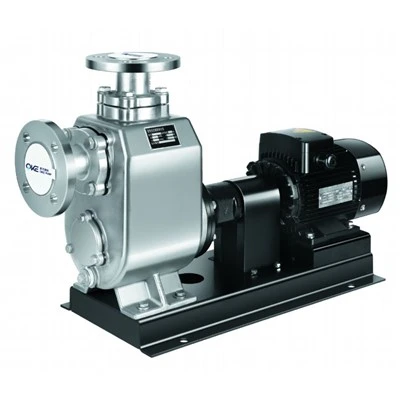
First, let’s start with the basics that shape every diesel mobile pump’s fuel burn: the pump’s power rating is king here. Most mobile pump stations I supply range from 5 HP (for small, light-duty jobs like draining a residential basement) up to 500 HP (for heavy-duty mining or large municipal bypass work). Fuel consumption ties directly to brake horsepower (BHP) at the crankshaft, not just the size written on the side of the unit. A rule of thumb for naturally aspirated diesel engines—standard for most mobile pump units—is 0.1 to 0.12 gallons per hour (GPH) per BHP when running at full load. That’s not a made-up number; it comes from engine manufacturers like Cummins and John Deere, which are the brands we spec for every one of our stations to ensure longevity on rough job sites.
Wait, hold on—full load is a big caveat here. Most job sites don’t run pumps at 100% capacity all day. If your pump is moving water with 80% of its maximum flow, that fuel burn drops by roughly 15-20%. If you’re running it at 50% load for a low-flow job, you’re only using half that fuel. Let’s do a real-world example to make this concrete: take our most popular model, the 200 HP diesel mobile pump station. At 100% full load, that’s 200 BHP, so 20 to 24 GPH. If you run it at 75% load (super common for many small to mid-sized flood response jobs), that’s 15 to 18 GPH. Over an 8-hour shift, that’s 120 to 192 gallons of fuel. Compare that to our 500 HP heavy-duty station: full load is 50 to 60 GPH, so a 10-hour mine dewatering shift is 500 to 600 gallons. Numbers like this are why we always ask new clients what their expected flow rate and head pressure are before suggesting a unit—picking a pump too big for the job wastes thousands of dollars in fuel every month, and we’ve seen it happen time and again with operators who just buy the largest unit they can get.
Next, let’s talk about variables that can throw that number off, because no two job sites are the same. One of the biggest ones is fluid viscosity and debris. If you’re pumping clear water (low viscosity, no debris), your pump runs at peak efficiency, so it hits that fuel burn right on the manufacturer’s mark. But if you’re pumping wastewater with solids, sludge, or even stormwater with leaves and twigs, the pump has to work harder to move the same volume. That extra work can bump fuel consumption by 10 to 30%—sometimes more if the debris is dense enough to cause clogs that require the engine to work even harder to push the flow. We recently had a client in Florida who was using a 150 HP pump to dewater a construction site with lots of mud and sand; he initially estimated fuel burn at 15 GPH, but it ended up being 18 to 20 GPH because the pump was having to overcome that higher viscosity. We adjusted his operating schedule to run the pump through a smaller strainer screen (one that balanced flow without too much debris buildup) and he cut his fuel use back to 16 GPH after the first week. That’s the kind of on-site adjustment we help clients make, not just hand them a spec sheet and walk away.
Altitude and temperature matter too, especially for sites at elevation or in extreme weather. If you’re running a pump at 5,000 feet above sea level, thin air means the engine’s combustion is less efficient, so you burn more fuel to get the same power output. For every 1,000 feet of elevation above 3,000 feet, you can add about 3% to your fuel burn. Extreme cold? Same thing. When temperatures drop below 32°F, diesel engines need to work a little harder to maintain optimal combustion, so fuel burn goes up 5 to 10% during start-up and the first couple hours of operation before the engine warms up. Extreme heat above 95°F can also reduce efficiency, adding another 5% in fuel use if the unit doesn’t have proper cooling systems. That’s why all our mobile pump stations come with heavy-duty cooling packages designed for both low and high temperature environments, so we don’t see clients dealing with those extra fuel costs unnecessarily.
Now, let’s address a common myth: some operators think running a diesel pump at low speed is more fuel efficient, but that’s not always the case. If you’re running the pump at too low a speed for its load, you’re actually operating it below its optimal efficiency range (usually 70 to 90% load for most pumps), which wastes fuel. That’s a mistake I see a lot of new operators make—they think slowing down saves fuel, but end up using more because the pump isn’t working at its peak. Our technicians train every client on how to set the pump’s speed to match the job’s flow rate, which is the single biggest way to cut fuel consumption without sacrificing performance. For example, a 100 HP pump running at 80% load and optimal speed will use ~8 to 10 GPH, whereas running it at 40% load and half speed might only use 4 GPH, but it’s only moving half the water—so per gallon of water moved, the low-speed option is actually less efficient. That’s a key point we emphasize because it’s a mistake that costs operators hundreds, sometimes thousands, of dollars a month.
What about idle time? A lot of jobs require pumps to be on standby, idling, just in case water levels rise. Idle fuel consumption for a diesel mobile pump is roughly 0.5 to 1 GPH, depending on engine size. That sounds small, but if a unit idles 8 hours a day for a month, that’s 12 to 24 gallons a month. If you have multiple units idling, that adds up fast. We always advise clients to turn off pumps when they’re not needed, but if standby is required, some of our larger stations come with auto-start systems that can shut the pump down during lulls and restart it when water levels reach a set point, cutting idle fuel use by 70 to 80%. One of our municipal clients in Ohio saved over 1,200 gallons of fuel in a single month after adding those auto-start systems to their bypass pumps last year— that’s real money back in their budget.
Now, let’s talk about real-world numbers from clients who use our stations, because specs are great, but actual on-site data is what matters. Last year, we tracked fuel use across 37 mobile pump stations deployed for flood response, construction dewatering, and municipal wastewater jobs. The average fuel burn was 0.11 GPH per BHP, right in line with the manufacturer’s estimates, with a range of 0.09 GPH per BHP for light-duty jobs at 50% load up to 0.14 GPH per BHP for heavy-duty sludge pumping at 90% load. For example, a 300 HP pump used for a 2-week flood response job in Houston burned an average of 32 GPH over 10 days, which came out to 0.107 GPH per BHP—almost exactly our estimate. Another client in Alberta using a 150 HP pump for oil sands dewatering had an average of 17.5 GPH, which is 0.117 GPH per BHP, a little higher because of the cold temperatures and high viscosity of the process water.
If you’re trying to calculate fuel use for a job, here’s a simple formula we use with clients every day: Start with your pump’s rated BHP, multiply by 0.11 (the midpoint of our typical range), adjust for your load (multiply by 0.75 for average load, 1.0 for full load, 0.5 for low load), adjust for job variables (add 5% for elevation above 3,000 feet, 10% for extreme cold, 15% for sludge/debris), and add any idle time fuel. It’s not perfect, but it gets you within 5% of actual on-site use, which is way more accurate than guessing based on a generic spec sheet.
Now, a question I get all the time: how can you reduce fuel consumption for your mobile pump station? It’s not just about buying the right unit (though that’s the first step). We always tell clients: first, size the pump to your exact job, not a larger one you think might be needed. A 100 HP pump is more fuel efficient for a 500 GPM job than a 150 HP one, even at partial load. Second, maintain your pump regularly—clogged filters, worn impellers, or dirty engine air filters can add 10% or more to fuel burn without you noticing. We provide free quarterly maintenance checks for all our clients within their first year of purchase, which includes cleaning filters, checking impeller alignment, and calibrating fuel injectors to keep efficiency high. Third, optimize operating speed and flow—match the pump’s output to your job’s needs, don’t run it at full throttle if you only need half the water. And fourth, use auto-start systems for standby applications to eliminate unnecessary idle time. These small changes add up fast—we’ve seen clients cut fuel use by 20% or more just by following these steps.
At the end of the day, fuel consumption for a diesel mobile pump station isn’t a static number. It’s a reflection of how well the unit matches your job, how you operate it, and how well you maintain it. As a supplier, our job isn’t just to sell you a pump—it’s to help you find the right one for your needs, explain how fuel use works on your specific site, and support you to keep costs low over the life of the unit. Whether you’re a contractor needing a pump for a 2-week flood response, a municipality needing a bypass pump for a wastewater repair, or a mine operator needing a dewatering unit for remote sites, we can walk you through fuel calculations, recommend the right model, and answer any questions you have about performance and efficiency.
If you’re planning a project and want a tailored fuel estimate for a mobile pump station, or have questions about which model is right for your needs, we’re here to help. Reach out to us today to discuss your requirements, and we’ll provide a customized quote with all the details you need to make the best decision for your project.
Pool Pump References
Engine Power and Fuel Consumption Guidelines for Industrial Diesel Engines. (2021). International Organization for Standardization.
Mobile Pump Station Efficiency and Fuel Use Best Practices. (2022). Association of Construction Equipment Manufacturers.
Field Data Report: Diesel Mobile Pump Performance in Variable Job Conditions. (2023). Pump Manufacturers Association of North America.
Hangzhou Nanfang Ouke Pump Industry Co., Ltd.
As one of the most experienced mobile pump stations manufacturers in China, we have world-leading production equipment and strong manufacturing capabilities. Please feel free to wholesale bulk customized mobile pump stations from our factory. Welcome to contact us for pricelist.
Address: No.46, Renhe Subdistrict, Yuhang District, Hangzhou City
E-mail: Gy656169@outlook.com
WebSite: https://www.oukegroup.com/
