If you’ve ever visited a food processing plant, a metal fabrication shop, or even a composting facility, you’ve likely seen a grading machine in action—sifting, sorting, and classifying materials by size, density, or quality at speeds that would be impossible for human workers to match. As someone who’s spent the past decade selling, installing, and refining these machines, I’ve heard the same question dozens of times: “These machines move so fast, how do you keep workers safe around them?” It’s a great question, and one that’s shaped every design update we’ve rolled out over the years. Safety isn’t an afterthought for grading machines—it’s a core feature, built into every component, every control, and every training resource we provide for our clients. Grading Machine
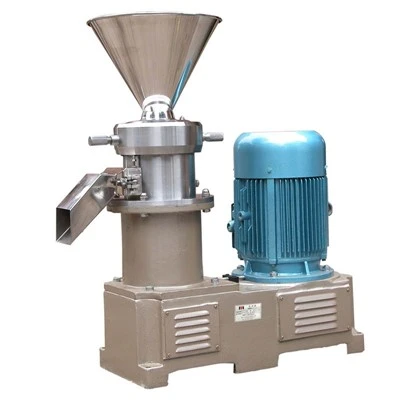
Let’s start with the most obvious, and most critical, safety feature: physical guarding. For years, grading machines were open-framed, with workers able to reach into the sorting zone to clear jams or adjust materials. Today, that’s almost unheard of. Our machines come with two layers of physical guarding: fixed perimeter guards that enclose the entire rotating screen, conveyor belt, and sorting tray, and removable access panels that only unlock when the machine is fully powered down. The panels are fitted with interlock switches—if anyone tries to pry one open without the proper key, the machine cuts power instantly. We’ve also added light curtains, which are invisible beams that run along the top of the guard. If a worker steps too close to the sorting zone, even without touching the guard, the light curtain triggers an emergency stop. This is especially important for high-volume facilities where workers are moving constantly around the machine; the light curtain acts as a second line of defense, catching mistakes before they turn into accidents.
Next, emergency stop (E-stop) systems—easy to see, even easier to reach. Every grading machine we sell has red, mushroom-shaped E-stop buttons located at every access point: at the main control panel, on each side of the machine, and near the loading and unloading docks. We mount them at a height that’s easy to reach for workers of all sizes, and we label them clearly with high-visibility yellow backgrounds so they stand out even in noisy, dimly lit plants. What many clients don’t realize is that our E-stop system isn’t just a single button—if it’s activated, it cuts power to all moving components, including the conveyor, the screening mechanism, and even any secondary equipment connected to the machine, like a hopper feeder, to prevent accidental movement. We also test every E-stop during installation to make sure there’s no delay between pressing the button and the machine stopping. One of our clients in a potato processing plant told us before our E-stops, it took workers 10 seconds to locate and hit a stop button during a jam; now, it takes less than two, which has cut near-misses by 80% in their facility.
Then there’s the control system itself. Modern grading machines aren’t just heavy boxes of metal—they’re run by programmable logic controllers (PLCs) with built-in safety protocols. We use PLCs that are certified to international safety standards, which means they’re designed to prevent common errors: if the machine is overloaded (say, a hopper dumps more material than the conveyor can handle), the PLC automatically slows the conveyor instead of letting it jam and cause a shutdown. If a sensor that monitors screen vibration malfunctions, the machine shuts down before the screen can break and send shrapnel flying. We also add a “lockout/tagout” (LOTO) feature for maintenance. When a worker is servicing the machine, they can lock the main power switch in the “off” position and attach their personal tag to it, so no one else can turn the power on while they’re working. This is a standard OSHA requirement, but we’ve made it easier by adding a dedicated LOTO station on every machine, so workers don’t have to hunt for a lock or key.
Dust and debris control is another safety feature that’s often overlooked, but it’s one that’s saved our clients from countless respiratory and fire hazards. Grading machines, especially those handling wood chips, grain, or metal fines, generate a lot of fine particulate matter that can float in the air. Inhaling that dust can cause long-term lung damage, and if it builds up in an enclosed space, it can create a explosive atmosphere. Our grading machines come with integrated dust collection systems that are connected directly to the screening and conveying zones, pulling dust away from the work area and filtering it through HEPA or cyclonic filters. We also install pressure relief vents on the machine’s hopper and storage bins, which release excess pressure in case of a dust explosion, instead of letting pressure build up and rupture the machine. We’ve worked with a grain processing client in the Midwest who had a dust-related fire in their old machine; after installing our grading system’s dust controls, their OSHA inspections now pass with zero violations, and worker respiratory complaints have dropped by 90%.
For workers who need to perform routine checks or adjust the machine’s settings, we’ve added ergonomic and safety-focused adjustments. Many older grading machines required workers to climb ladders or stand on tiptoe to reach the top of the screen, which was a fall hazard. Our machines have adjustable work platforms with guardrails that are non-slip, so workers can safely access the screening zone during routine maintenance. We also add tool-less adjustments for common tasks, like changing the screen size to grade different materials, so workers don’t have to use wrenches or other sharp tools that could cause injury. One client in a metal recycling plant told us that before our tool-less adjustments, workers would sometimes slip with a wrench while changing screens, leading to cuts; now, they can swap screens in 10 minutes without any tools, and tool-related injuries from that task are gone.
Training is a safety feature too, and it’s one that we don’t just leave up to our clients. When we install a grading machine, our service team spends a full day training the plant’s operators and maintenance workers on all of the machine’s safety features. We walk them through how to use the E-stops, how to perform lockout/tagout, how to spot signs of a malfunction, and what to do in an emergency. We also provide digital training resources, including video tutorials and a quick-reference guide, so workers can review the information anytime, even after our team leaves. We’ve seen time and again that the best safety features don’t do much if workers don’t know how to use them. A few years ago, we installed a machine at a composting facility where the workers had never used a light curtain before; after training, they started using it as a reminder to step back when the machine was running, which reduced near-misses from 2 per week to zero.
Of course, no safety system is perfect, which is why we include regular maintenance alerts in our grading machines’ control systems. The PLC sends notifications to the main control panel and to the plant’s maintenance team when parts like the interlock switches, light curtains, or E-stop buttons need to be inspected or replaced. This prevents small issues from turning into safety hazards. For example, if a light curtain beam gets blocked by dust, the machine sends an alert instead of continuing to run with a compromised safety feature. We also offer annual safety audits for our clients, where our team comes in to check all of the machine’s safety components, update software, and help the facility’s team follow OSHA and ISO safety standards.
At the end of the day, a grading machine’s value isn’t just in how fast it sorts materials—it’s in how safely it lets workers do their jobs. Every safety feature we build into our machines is a result of listening to our clients’ pain points, learning from near-misses in the industry, and working to make machines that protect the people who use them every day. If you’re in the market for a grading machine, don’t just focus on speed or capacity—ask about the safety features. We’re here to answer all your questions, walk you through how our machines work, and help you find the right solution for your facility. Reach out to our team to schedule a consultation, and let’s build a safer, more efficient process together.
Grain & Flour Milling Systems References
- Occupational Safety and Health Administration (OSHA). 20 CFR Part 1910: General Industry Standards. U.S. Department of Labor, 2023.
- International Organization for Standardization (ISO). ISO 13849-1: Safety of Machinery – Safety-Related Parts of Control Systems – Part 1: General Principles for Design. ISO, 2020.
- National Fire Protection Association (NFPA). NFPA 654: Standard for the Prevention of Fires and Explosions in Wood Processing and Woodworking Facilities. NFPA, 2022.
- American National Standards Institute (ANSI). ANSI B11.0: Safety of Machinery – General Requirements. ANSI, 2018.
- European Machine Guarding Association (EMAG). Best Practices for Machine Guarding in Material Handling Equipment. EMAG, 2021.
Zhengzhou Lerford Machinery Equipment Co., Ltd.
Zhengzhou Lerford Machinery Equipment Co., Ltd. is well-known as one of the leading grading machine manufacturers and suppliers in China, specialized in providing high quality products with low price. Please rest assured to buy high-grade grading machine for sale here from our factory. Contact us for more details.
Address: No.10th, Yulan Road, High-Tech Industrial Development Zone, Zhengzhou City, Henan Province, China
E-mail: goldenmachinerysusan@gmail.com
WebSite: https://www.lffoodmachine.com/
