If you’ve just invested in a new CNC milling machine—or are looking to upgrade your shop’s capabilities—one of the most common questions I hear from new customers is this: Where do I get the training to operate it? Let me start with a little context: I’ve been selling CNC milling machines for over 12 years, and I’ve seen countless businesses skip proper training, only to run into costly errors, scrapped parts, and unnecessary downtime. The good news is that there are solid, reliable training options available—you just have to know where to look, and what to prioritize so the training actually sticks. CNC Milling Machine

First, let’s talk about the most straightforward option: training directly from the machine’s manufacturer or your equipment supplier. This is the route I always recommend first for new customers, because it’s tailored specifically to the CNC milling model you just bought or are planning to buy. When you work with a supplier (like mine, for example), we don’t just sell you a machine and walk away. We have a team of in-house field technicians who are certified to train on every CNC milling model we carry, and our training programs are built around real-world work, not just textbooks. Last quarter, I worked with a small custom fabrication shop out of Detroit that bought three 3-axis CNC mills from us. Their owner told me they tried a generic online course before reaching out, and halfway through, the instructor was teaching controls that didn’t even match their machine’s interface—they wasted a full week of work trying to adapt what they learned. With our on-site training, their three operators mastered setup, tool changes, basic part programming, and error troubleshooting in two days, with time built in for their own production parts so they could practice on actual projects instead of dummy test pieces.
It’s worth noting that supplier/manufacturer training can be delivered in a couple of formats. On-site training at your shop is ideal if you have multiple operators to train, or if you want to practice on your specific workpieces and fixtures. It also cuts down on travel time and costs, which is a big plus for small businesses that can’t afford to send staff across the country. We also offer virtual instructor-led training (VILT) for teams that prefer a more flexible schedule—these sessions are live, not pre-recorded, so operators can ask questions in real time, and we use remote access tools to connect to your machine (with your permission) to walk through setups or troubleshoot small issues. For larger customers with 10+ operators, we can also run training sessions at our in-house training facility, which has a dozen different CNC mill models, plus a dedicated lab for hands-on practice. The key here is that this training is hyper-specific to your equipment—so you’re not wasting time learning how to run a machine that looks and works nothing like the one you’ll be using.
Next, community colleges and technical trade schools are another fantastic option, especially if you’re looking to build a long-term pool of skilled operators, or if you’re still researching CNC mills and want to get a foundational understanding before buying. Most two-year trade programs now offer certificate or associate degree programs in computer numerical control (CNC) machining, and their curricula are designed to cover everything from basic print reading and tool geometry to CNC milling operation, G-code programming, and safety protocols. The best part about these programs is that many have partnerships with local businesses—some even let students work on real shop projects as part of their training, so your business could hire a recent grad with hands-on experience without having to do as much on-the-job training. That said, there are a few things to watch for. Not all trade school CNC programs are equal—some focus more on theory than hands-on work, so it’s worth asking to tour their lab and see if they have working CNC mills (not just old manual machines) available for students to use. For example, last year a customer of mine hired two grads from a program that only used simulator software instead of actual machinery, and they spent the first month breaking tools because they had no experience with real machine feedback like backlash or tool deflection. If you choose this route, look for programs that have active industry advisory boards, and ask about the ratio of instructors to students in hands-on sessions.
Vocational training centers, often run by state or local government agencies, are another underrated option, especially for small businesses or new CNC operators who don’t want to commit to a full degree. These centers typically offer short, focused courses (anywhere from 1 day to 2 weeks) on specific skills: basic CNC mill operation, G-code programming, safety and maintenance, etc. Many of these courses are more affordable than trade school programs, and they’re designed specifically for working adults who need to upskill without taking time off work. A friend who runs a medical device fabrication shop in Chicago told me he sent three of his newer operators to a local vocational center’s 5-day CNC mill course, and they came back able to run simple production parts on the shop’s existing machines, with a much clearer understanding of machine safety than they had from just learning on the job. The downside here is that some vocational centers have limited machine availability, so classes can fill up fast—so it’s best to plan ahead and book sessions 2 to 3 months in advance.
If you’re a small business or individual operator on a tight budget, or you just need a quick refresh on a specific skill, online training courses and simulation tools are a solid option—though they’re best used as a supplement, not a replacement, for hands-on training. There are dozens of reputable platforms that offer CNC milling courses, from platforms tailored to manufacturing workers to university-led programs. Many of these platforms use simulation software that lets operators practice programming and running CNC mills on their computer, without the risk of scrapping a real part if they make a mistake. For example, my team recommends a popular simulation tool for new operators who want to learn basic G-code before they ever touch a real machine—It cuts down on the time they need in hands-on training because they already understand how a machine’s movements translate to code. That said, simulation only gets you so far. There’s a big difference between practicing programming on a computer and dealing with a real machine’s quirks: a tool that’s slightly misaligned, a workpiece that’s not held securely, or a control panel that has a different button layout than the simulation. We’ve had customers who tried to run a part entirely from online training, and they ended up breaking a $500 end mill because they didn’t account for the actual speed and feed rates of their specific machine. So online training works best as a pre-training step or a refresh, not the full training package.
Another option I’ve seen work well is on-the-job training paired with a mentor. This is especially common for small shops that can’t afford to send staff to external training, or for experienced machinists who are transitioning from manual mills to CNC mills. The key here is to make sure the mentor is actually trained on modern CNC milling, not just someone who’s been around the shop for 20 years and learned on an old manual machine. Many of our customers pair new operators with a senior machinist who’s familiar with our CNC mills, and we offer free supplementary training resources (like step-by-step guides for our machine’s controls, or video tutorials for common tasks) to make that mentorship easier. Last year, a customer in Texas told me he trained his lead machinist to be a mentor for his two new CNC operators, and they used our free online resources to fill in gaps that the mentor didn’t know—they were able to get up and running in three weeks, which is faster than some external courses would have taken. The downside here is that it can leave your shop short-staffed while the operator is learning, and there’s a higher risk of mistakes if the mentor isn’t up to date on modern CNC best practices.
Now, let’s talk about what you should look for in any CNC milling training, no matter which option you choose. First, make sure the training is hands-on. There’s no substitute for being in the same room as a working CNC mill, turning dials, swapping tools, and fixing a small error before it turns into a big problem. Second, prioritize training that covers safety. CNC mills are powerful, and improper operation can lead to serious injuries, not just damaged parts. Any good training program will spend significant time on lockout-tagout procedures, proper tool handling, and emergency stop protocols. Third, ask if the training includes post-support. The best training doesn’t end when the class does—you want to know who you can contact if your operator runs into a problem a week or a month after training. That’s one of the biggest advantages of training through your machine supplier: we offer 30 days of free post-training support for all of our customers, so if an operator has a question after their on-site training, they can call our team and we’ll walk them through it, no extra cost.
At the end of the day, the best training for your CNC mill depends on your situation: how many operators you have, your budget, your timeline, and your shop’s specific needs. If you just bought a CNC mill from a supplier, start there—we built our training programs to solve exactly the problems our customers face, and we’re invested in your success as much as you are. If you’re not ready to invest in a full training program, start with a short online simulation to get the basics, then pair that with hands-on mentorship or a local course.
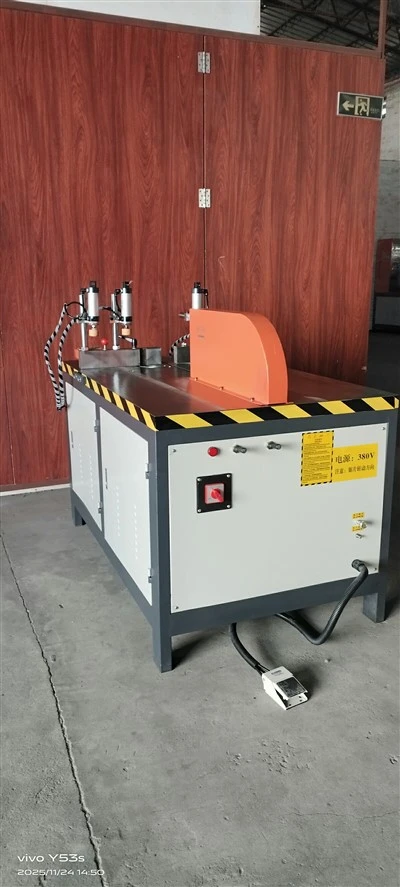
If you’re ready to get serious about CNC milling training for your team, or if you have questions about how our supplier-led training works for our specific CNC milling models, our team is here to help. We can walk you through our training formats, answer questions about scheduling, and even connect you with current customers who have gone through our training to hear their experience. Don’t let poor training hold your shop back from the benefits of CNC milling—precision, speed, and consistency that can help you take on bigger jobs and grow your business.
Single Head Aluminium Cutter References:
- National Institute for Metalworking Skills. (2022). CNC Milling Training Standards for Entry-Level Operators.
- Manufacturing Extension Partnership. (2023). Small Business Guide to CNC Equipment Training.
- Association for Manufacturing Technology. (2021). Best Practices for CNC Machine Operator Training Programs.
Kanghong Building Materials Technology Sdn. Bhd.
As one of the most professional CNC milling machine manufacturers and suppliers in China, we have world-leading production equipment and strong manufacturing capabilities. Please feel free to wholesale advanced CNC milling machine for sale here from our factory. Customized orders are welcome.
Address: No.601, Block 2, Xinlianchang Industrial Park, No.2 Taixing Second Road, Taiping South Industrial Zone, Dali Town, Nanhai District, Foshan City
E-mail: 631871392@qq.com
WebSite: https://www.kanghong-building.com/
