As a reputable provider in the field of spine instruments, I’ve witnessed firsthand the remarkable journey of these essential medical tools from traditional designs to their modern counterparts. The evolution of spine instruments is not just a technological advancement but a revolution in patient care, offering enhanced precision, improved outcomes, and greater efficiency in spinal surgeries. In this blog, I’ll delve into the significant differences between traditional and modern spine instruments, exploring how these changes have shaped the landscape of spinal surgery. Spine Instruments
Design and Material
Traditional spine instruments were primarily crafted from stainless – steel alloys. These materials were chosen for their durability and resistance to corrosion, which are crucial properties for surgical tools. However, stainless – steel instruments often have limitations in terms of weight and flexibility. They can be relatively heavy, which can cause fatigue for surgeons during long and complex surgeries. Moreover, the rigidity of stainless steel can sometimes make it challenging to maneuver the instruments in tight or awkward spaces within the spine.
In contrast, modern spine instruments are increasingly made from advanced materials such as titanium alloys and carbon fiber composites. Titanium is known for its high strength – to – weight ratio, which means that modern instruments can be lighter without sacrificing durability. This reduced weight can significantly reduce surgeon fatigue, allowing for more precise and controlled movements during surgery. Carbon fiber composites, on the other hand, offer excellent flexibility and can be customized to have specific mechanical properties. This enables the creation of instruments that are better suited to the complex anatomical structures of the spine.
The design of traditional spine instruments was often based on simple mechanical principles. For example, many traditional bone clamps were large and bulky, relying on a basic screw – type mechanism to secure bones. These designs, while effective in stabilizing the spine, could be cumbersome to use and had limited adjustability. Modern spine instruments, in contrast, feature ergonomic designs that are tailored to the natural movements of the surgeon’s hand. They often incorporate adjustable and modular components, allowing for greater customization during surgery. For example, modern spinal retractors can be easily adjusted in multiple directions to provide optimal exposure of the surgical site, minimizing the need for additional instruments.
Precision and Accuracy
One of the most significant differences between traditional and modern spine instruments lies in the level of precision and accuracy they offer. Traditional instruments were based on manual techniques, and the accuracy of surgical procedures often depended on the surgeon’s skill and experience. For example, when placing spinal screws, traditional methods relied on the surgeon’s visual estimation and tactile feedback. This could lead to variations in screw placement, which may increase the risk of complications such as nerve damage or improper spinal alignment.
Modern spine instruments, however, are often equipped with advanced technology to enhance precision. Navigation systems, such as fluoroscopy – based and computer – assisted navigation, have become an integral part of modern spinal surgery. These systems use real – time imaging to provide the surgeon with detailed information about the patient’s anatomy, allowing for more accurate placement of spinal implants. For example, robotic – assisted surgery systems can precisely guide the placement of spinal screws, reducing the risk of screw malpositioning to a minimum.
In addition, modern spine instruments often have finer tips and more precise cutting edges. This is especially important in procedures such as spinal decompression, where precise removal of bone or soft tissue is required to relieve pressure on the spinal cord or nerves. The improved precision of modern instruments can lead to more targeted surgeries, reducing the amount of healthy tissue that is affected and potentially speeding up the patient’s recovery time.
Ease of Use and Efficiency
Traditional spine instruments typically had a steep learning curve. Since they were mechanically simple but often complex to operate in practice, surgeons needed extensive training and experience to use them effectively. In addition, many traditional instruments required multiple steps for setup and adjustment, which could slow down the surgical process. For example, assembling a traditional spinal fixation system could be time – consuming, and any errors in the assembly process could lead to suboptimal results.
Modern spine instruments are designed with ease of use in mind. Many of them are pre – assembled or modular, which means that they can be quickly set up and customized for each patient’s specific needs. For example, modern spinal implant kits come with all the necessary components in a pre – sterilized package, reducing the time spent on instrument preparation in the operating room.
Moreover, modern instruments are often more intuitive to use, with features such as color – coding and simple locking mechanisms. This allows less experienced surgeons to use them more effectively, which can increase the accessibility of advanced spinal surgeries in different medical settings. The increased efficiency of modern spine instruments also translates into shorter surgical times. Shorter surgeries mean less time under anesthesia for the patient, which can reduce the risk of anesthesia – related complications and improve the overall patient experience.
Infection Control
Infection is a major concern in any surgical procedure, especially in spinal surgery due to the potential for serious long – term complications. Traditional spine instruments were often difficult to clean and sterilize thoroughly. Their complex mechanical designs, with multiple moving parts and small crevices, could trap organic materials and bacteria, making them hard to completely disinfect.
Modern spine instruments are designed with infection control in mind. Many of them have smooth surfaces and fewer hard – to – clean areas. In addition, some modern instruments are made from materials that have inherent antibacterial properties, which can further reduce the risk of infection. Moreover, the development of single – use spine instruments has been a significant advancement in infection control. Single – use instruments eliminate the need for re – sterilization, which can be a source of cross – contamination in the operating room.
Cost and Accessibility
Traditional spine instruments were generally less expensive to manufacture, which made them more accessible in many parts of the world, especially in regions with limited healthcare resources. However, their long – term costs could be higher due to the need for frequent maintenance, replacement of worn – out parts, and the potential for surgical complications that may require additional interventions.
Modern spine instruments are often more expensive upfront due to the advanced materials and technology used in their production. However, they can offer cost – savings in the long run. The improved precision and reduced risk of complications associated with modern instruments can lead to shorter hospital stays, fewer readmissions, and less need for follow – up surgeries. This can ultimately result in lower overall healthcare costs.
In terms of accessibility, while the high cost of modern spine instruments can be a barrier in some regions, efforts are being made to make them more widely available. For example, some manufacturers are offering leasing options or partnering with healthcare providers in developing countries to provide training and support for the use of modern spine instruments.
Conclusion
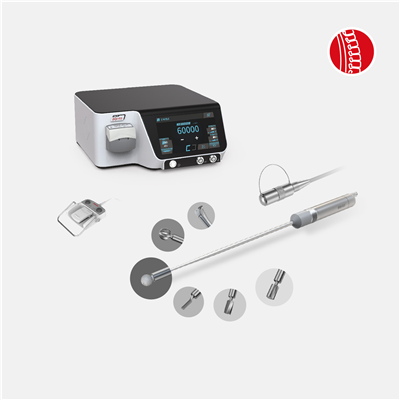
The differences between traditional and modern spine instruments are vast and far – reaching. From design and material to precision, ease of use, infection control, and cost – effectiveness, modern spine instruments offer significant advantages over their traditional counterparts. As a spine instrument supplier, I am committed to providing the latest and most advanced instruments to healthcare providers. These instruments not only enhance the quality of spinal surgeries but also improve patient outcomes, making the journey to recovery smoother and more successful.
Spine Surgical Power Systems If you are a healthcare professional interested in learning more about our modern spine instruments or wish to discuss a potential purchase, I encourage you to reach out to us. Our team of experts is ready to provide you with detailed information, answer your questions, and guide you through the procurement process.
References
- Kraemer, W. J., & Fujita, S. (Eds.). (2014). Strength and Conditioning: Biological Principles and Practical Applications. Wiley.
- Vaccaro, A. R., & Anderson, P. A. (2009). The Adult Spine: Principles and Practice. Lippincott Williams & Wilkins.
- Maquet, P. (1989). Biomechanics of the Locomotor Apparatus. Springer.
Jiangsu Bonss Medical Technology Co., Ltd.
As one of the most professional spine instruments manufacturers and suppliers in China, we’re featured by quality products and good price. Please rest assured to buy bulk spine instruments for sale here from our factory. Customized orders are welcome.
Address: Building #7,No.898,China Medical City Avenue, Haling District, Taizhou City.Jiangsu P.R. China
E-mail: inquiry@plasma-surgical.com
WebSite: https://www.bonssmedical.com/
