Corner rounding cutters have long been recognized as indispensable tools in various industries, from woodworking to metal fabrication and even in the production of plastic components. These cutters are designed to create smooth, rounded corners on workpieces, enhancing both the aesthetic appeal and the safety of the finished products. However, a common question that often arises among our customers is whether corner rounding cutters can be effectively used on thick materials. As a leading supplier of corner rounding cutters, I am here to delve into this topic and provide you with a comprehensive answer. Corner Rounding Cutters
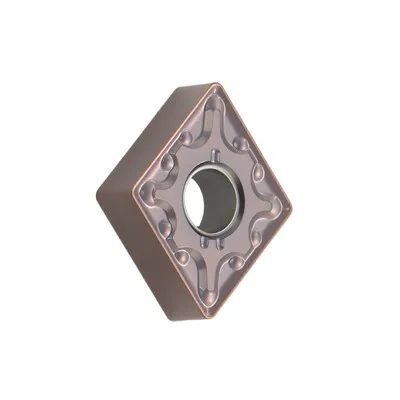
Understanding the Basics of Corner Rounding Cutters
Before we explore the suitability of corner rounding cutters for thick materials, let’s first understand how these cutters work. Corner rounding cutters typically come in various shapes and sizes, with the most common being the single – flute and multi – flute designs. The single – flute cutters are known for their ability to provide a clean cut, especially on softer materials, while multi – flute cutters can handle higher feed rates and are more efficient for larger – scale production.
The cutting edge of a corner rounding cutter is carefully engineered to remove material in a controlled manner, creating a smooth and precise rounded corner. The design of the cutter also takes into account factors such as the radius of the corner to be rounded, the type of material being cut, and the desired finish.
Factors Affecting the Use of Corner Rounding Cutters on Thick Materials
When it comes to using corner rounding cutters on thick materials, several factors need to be considered:
Material Hardness
The hardness of the material plays a crucial role in determining whether a corner rounding cutter can be used effectively. Hard materials such as stainless steel or hardened alloys pose a greater challenge compared to softer materials like aluminum or wood. Harder materials require cutters with higher cutting edge strength and wear resistance. For example, carbide – tipped corner rounding cutters are often recommended for cutting hard materials as they can withstand the high forces and temperatures generated during the cutting process.
Cutter Geometry
The geometry of the corner rounding cutter, including the number of flutes, helix angle, and rake angle, can significantly affect its performance on thick materials. A cutter with a larger number of flutes can remove material more quickly, but it may also generate more heat and require more power. On the other hand, a cutter with a smaller number of flutes may provide a cleaner cut but at a slower feed rate. The helix angle affects the chip evacuation and the cutting forces, while the rake angle influences the sharpness of the cutting edge.
Machine Power and Rigidity
The machine used to operate the corner rounding cutter must have sufficient power and rigidity to handle the cutting forces generated when working on thick materials. If the machine is underpowered or lacks rigidity, it can lead to vibration, poor surface finish, and premature tool wear. A high – power CNC machine with a rigid structure is often preferred for cutting thick materials to ensure accurate and efficient operation.
Advantages of Using Corner Rounding Cutters on Thick Materials
Despite the challenges, there are several advantages to using corner rounding cutters on thick materials:
Enhanced Safety
Rounded corners on thick materials can eliminate sharp edges, which can pose a safety hazard in many applications. For example, in industrial machinery or furniture, rounded corners reduce the risk of injury to operators or users.
Improved Aesthetics
Rounded corners can give a more finished and professional look to thick materials. In architectural applications, such as the production of thick plastic panels or metal cladding, rounded corners can enhance the overall appearance of the structure.
Better Stress Distribution
In engineering applications, rounded corners on thick materials can improve stress distribution, reducing the likelihood of cracks or fractures. This is particularly important in components that are subject to high loads or vibrations.
Techniques for Using Corner Rounding Cutters on Thick Materials
To ensure successful use of corner rounding cutters on thick materials, the following techniques can be employed:
Step – by – Step Cutting
Instead of trying to cut the full thickness of the material in one pass, it is often more effective to make multiple passes. This reduces the cutting forces and heat generation, prolonging the life of the cutter. Start with a small depth of cut and gradually increase it with each pass until the desired corner radius is achieved.
Proper Lubrication and Cooling
Lubrication and cooling are essential when cutting thick materials. Using a suitable cutting fluid can reduce friction, prevent chip welding, and dissipate heat. This not only improves the cutting performance but also extends the lifespan of the cutter.
Toolpath Optimization
Proper toolpath planning is crucial for efficient and accurate cutting on thick materials. Use advanced CAM software to generate toolpaths that minimize air cuts and maximize material removal. This can significantly reduce the machining time and improve the overall productivity.
Case Studies
Let’s look at a few real – world examples of using corner rounding cutters on thick materials:
Metal Fabrication
In a metal fabrication shop, a manufacturer was looking to round the corners of thick steel plates used in the construction of heavy – duty machinery. By using carbide – tipped multi – flute corner rounding cutters and a high – power CNC milling machine, they were able to achieve precise and smooth rounded corners. They employed step – by – step cutting and used a coolant to ensure efficient chip evacuation and prevent overheating. As a result, they were able to meet the strict quality requirements of their customers while reducing the machining time.
Woodworking
A furniture maker needed to create rounded corners on thick wooden legs for a dining table. Using single – flute corner rounding cutters specifically designed for wood, they were able to achieve a clean and smooth finish. They optimized the toolpath to ensure efficient cutting and used a lubricant to reduce friction. The final product not only looked aesthetically pleasing but also had enhanced durability.
Conclusion
In conclusion, corner rounding cutters can indeed be used on thick materials, but it requires careful consideration of several factors. By understanding the material properties, choosing the right cutter geometry, ensuring sufficient machine power, and employing appropriate cutting techniques, it is possible to achieve high – quality rounded corners on thick materials.
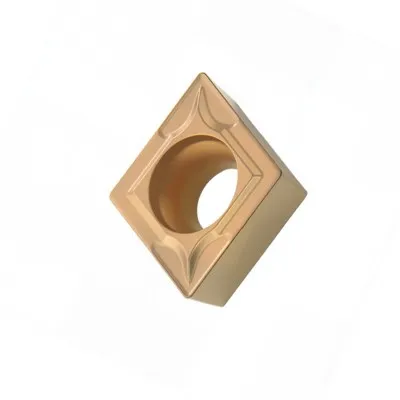
At our company, we offer a wide range of corner rounding cutters designed to meet the diverse needs of our customers. Our experienced team can provide expert advice on choosing the right cutter for your specific application, whether you are working with thick metal, wood, or plastic materials.
Milling Cutter Holders If you are interested in learning more about our corner rounding cutters or would like to discuss your specific requirements, we encourage you to get in touch with us. Our dedicated sales team is ready to assist you and guide you through the purchasing process. Let us help you find the perfect solution for your corner rounding needs.
References
- "Machinery’s Handbook," Industrial Press Inc.
- "Tool and Manufacturing Engineers Handbook," Society of Manufacturing Engineers
- "Cutting Tool Engineering," SME Publishing Division
Small Craftsman (Shandong) Machine & Tools Co., Ltd.
Small Craftsman (Shandong) Machine & Tools Co., Ltd. is one of the most experienced corner rounding cutters manufacturers and suppliers in China, also supports customized service with low price. Please feel free to buy bulk high quality corner rounding cutters in stock here from our factory. Contact us for pricelist.
Address: No.9 Quanxin Rd., Sishui Economic Developing Zone, Jining, Shandong, China.
E-mail: 6196@ocutchina.com
WebSite: https://www.ocutooling.com/
