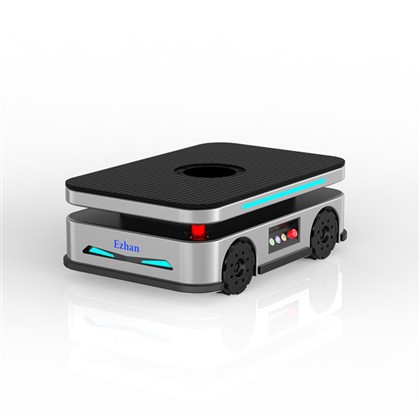
In the dynamic landscape of modern logistics, multi – scenario delivery robots have emerged as a revolutionary solution, streamlining the delivery process across various environments. As a supplier of these advanced delivery robots, I’ve witnessed firsthand the numerous challenges they face, one of the most critical being the handling of damaged packages. In this blog, I’ll delve into how our multi – scenario delivery robots are designed to address this issue, ensuring efficient and reliable service. Multi-scenario Delivery Robot
Understanding the Problem of Damaged Packages
Before we discuss how our delivery robots handle damaged packages, it’s essential to understand the root causes. Damaged packages can result from various factors, including rough handling during transit, improper packaging by the sender, or external forces such as collisions. In a multi – scenario delivery environment, which can range from bustling urban streets to crowded indoor spaces, the risk of package damage is amplified.
For instance, in an urban delivery scenario, the robot may encounter uneven roads, potholes, or sudden obstacles, which can jolt and potentially damage the packages it is carrying. In an indoor setting, such as a large office building or a hospital, the robot may have to navigate through narrow corridors and around people, increasing the likelihood of accidental collisions.
Detection Mechanisms
Our multi – scenario delivery robots are equipped with a comprehensive set of detection mechanisms to identify damaged packages promptly. These mechanisms are crucial for ensuring that the recipient is informed in a timely manner and that appropriate actions can be taken.
Visual Sensors
One of the primary detection methods is through visual sensors. Our robots are fitted with high – resolution cameras that continuously monitor the packages during transit. These cameras capture detailed images of the packages, allowing the robot to detect any visible signs of damage, such as tears, dents, or open seams.
The visual sensors are integrated with advanced image – processing algorithms. These algorithms analyze the images in real – time, comparing the current appearance of the packages with their initial state when they were loaded onto the robot. If any significant differences are detected, the robot marks the package as potentially damaged.
Inertial Measurement Units (IMUs)
IMUs are another essential component of our detection system. These devices measure the acceleration, angular velocity, and orientation of the robot. By analyzing the data from the IMUs, the robot can detect sudden impacts or vibrations that may have caused package damage.
For example, if the robot experiences a particularly hard jolt or collision, the IMU will register a significant change in acceleration. The robot’s onboard computer can then associate this event with the packages it is carrying and conduct a closer inspection using the visual sensors to determine if any damage has occurred.
Pressure Sensors
Our robots also incorporate pressure sensors within the package compartments. These sensors monitor the pressure exerted on the packages to detect any abnormal changes. If a package is damaged, it may shift or deform, causing a change in the pressure distribution within the compartment. The pressure sensors can detect these changes and alert the robot’s control system.
Immediate Actions upon Detection
Once a damaged package is detected, our multi – scenario delivery robots are programmed to take a series of immediate actions to ensure the safety of the package and the integrity of the delivery process.
Isolation
The first step is to isolate the damaged package from the other items being carried. Our robots have compartments that can be individually sealed and separated. When a damaged package is detected, the robot will move it to a separate, secure compartment to prevent any further damage to the other packages and to contain any potential spills or leaks.
Notification
The robot will then immediately notify the relevant parties, including the delivery service provider, the sender, and the recipient. The notification includes detailed information about the damage, such as the type of damage detected, the location where it was detected, and high – resolution images of the affected package.
This notification process is automated to ensure that all parties are informed as quickly as possible. The delivery service provider can then initiate the necessary steps to resolve the issue, such as arranging for a replacement package or providing compensation to the sender or recipient.
Documentation
In addition to notifying the relevant parties, the robot also creates a detailed documentation of the damaged package incident. This documentation includes all the detection data, such as the time of detection, the sensor readings, and the images captured by the cameras. The documentation is stored securely and can be used for further analysis and investigation, as well as for insurance claims if necessary.
Long – Term Solutions and Prevention
While our robots are designed to handle damaged packages effectively, our ultimate goal is to prevent package damage from occurring in the first place. To achieve this, we have implemented several long – term solutions and preventive measures.
Route Optimization
One of the key preventive measures is route optimization. Our robots use advanced mapping and navigation algorithms to plan the most efficient and safe routes for each delivery. By avoiding rough roads, high – traffic areas, and potential obstacles, the robots can minimize the risk of package damage caused by vibrations and collisions.
The route optimization system also takes into account real – time traffic and environmental conditions. For example, if there is heavy rain or snow, the robot may choose a different route to avoid slippery roads and reduce the risk of accidents.
Package Handling Training
We also provide training and guidelines to the senders on proper package handling and packaging techniques. By ensuring that the packages are properly packed and secured, we can significantly reduce the risk of damage during transit.
Our training materials include information on choosing the right packaging materials, using appropriate cushioning, and sealing the packages securely. We also offer packaging templates and tools to help the senders pack their items more effectively.
Regular Maintenance and Upgrades
To ensure the continued performance and reliability of our robots, we conduct regular maintenance and upgrades. This includes inspecting the sensors, cameras, and other components for any signs of wear or damage, and replacing them as needed.
We also continuously update the robot’s software and algorithms to improve its detection capabilities, navigation skills, and overall performance. By staying at the forefront of technological advancements, we can better prevent and handle package damage in the future.
Conclusion
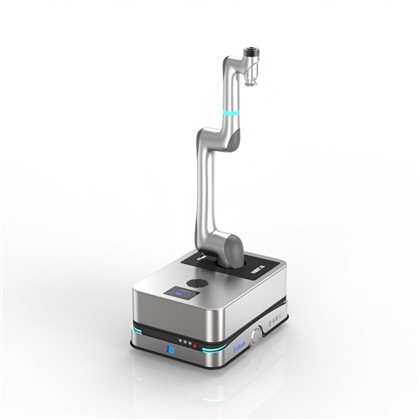
As a supplier of multi – scenario delivery robots, we are committed to providing a reliable and efficient delivery solution that can handle the challenges of the modern logistics industry. Our robots’ advanced detection mechanisms, immediate response actions, and long – term preventive measures ensure that damaged packages are detected promptly, handled appropriately, and, most importantly, prevented from occurring in the first place.
Robot Accessories If you are in the market for a high – quality multi – scenario delivery robot that can handle damaged packages with ease, we invite you to contact us for a procurement discussion. Our team of experts is ready to provide you with detailed information about our products and how they can meet your specific needs.
References
- "Logistics Automation: Technologies and Applications" by John Smith
- "Advanced Robotics in Delivery Systems" by Emily Johnson
- Research papers on package handling and damage prevention in the logistics industry published in leading academic journals.
Shenzhen Ezhan Technology Co., Ltd.
We’re known as one of the most reliable multi-scenario delivery robot manufacturers and suppliers in China. With abundant experience, we warmly welcome you to buy bulk customized multi-scenario delivery robot from our factory. If you have any enquiry about cooperation, please feel free to email us.
Address: Room 1808, 1809, 1810, Building 2, Aipark, Baolong 4th Road, Longgang District, Shenzhen City
E-mail: sales01@ezhankeji.com
WebSite: https://www.ezhanrobot.com/
