Hey there! I’m a supplier of nursery plant supports, and I know how crucial it is to maintain these supports to ensure the healthy growth of plants. In this blog, I’m gonna share some tips on how I maintain nursery plant supports, and these can be super useful for you too, whether you’re a professional grower or just someone with a passion for gardening. Nursery Plant Supports

Understanding the Basics
First things first, let’s talk about why maintenance matters. Nursery plant supports, like stakes, cages, and trellises, play a huge role in keeping plants upright, protecting them from harsh weather, and promoting proper growth. But if these supports aren’t well – maintained, they can become a liability. They might break or rot, which can damage the plants they’re supposed to be supporting.
Regular Inspections
One of the most important steps in maintaining nursery plant supports is regular inspections. I make it a point to check on my supports at least once a week during the growing season. I look for signs of wear and tear, like cracks in wooden stakes or rust on metal supports.
For wooden stakes, I pay close attention to the base. This is where the wood is most likely to rot because it’s in contact with the soil, which is often moist. If I notice any soft or discolored areas, I know it’s time to either replace the stake or take steps to prevent further decay.
Metallic supports, on the other hand, are prone to rust. I look for any signs of reddish – brown patches. Even a small spot of rust can spread quickly, so it’s important to catch it early. Plastic supports are generally more durable, but they can still crack or become brittle over time, especially if they’re exposed to a lot of sunlight.
Cleaning the Supports
Cleaning is another key part of maintenance. Over time, dirt, debris, and even plant residue can build up on the supports. This can trap moisture, which is a breeding ground for fungi and bacteria.
For wooden supports, I use a stiff brush to scrub off any dirt. Then, I rinse them with a garden hose. If there are any stubborn stains or mold, I make a solution of mild dish soap and water and use that to clean the stakes.
Metal supports can be cleaned with a wire brush to remove rust and dirt. After that, I wipe them down with a cloth dampened with vinegar. Vinegar is a natural cleaner that can help prevent further rusting.
Plastic supports are usually the easiest to clean. A quick rinse with the hose and a wipe with a soapy cloth is usually enough to get them looking good as new.
Repairing Minor Damage
When I find minor damage during my inspections, I like to fix it right away. For wooden stakes with small cracks, I use wood glue to seal them. I apply the glue along the crack and clamp the stake together until the glue dries. This helps prevent the crack from getting bigger.
If a metal support has a small rust spot, I use a rust remover. There are plenty of commercial rust removers available, but I’ve also found that a paste made from baking soda and water works pretty well. I apply the paste to the rust spot, let it sit for a while, and then scrub it off with a wire brush. After that, I paint the area with a rust – resistant paint to prevent future rusting.
For plastic supports with small cracks, I use a plastic cement. It’s similar to regular glue but is designed specifically for plastic. I apply the cement to the crack and hold the pieces together until it dries.
Storage During Off – Seasons
When the growing season is over, proper storage is essential to keep the nursery plant supports in good condition. I start by cleaning all the supports thoroughly, just like I do during the regular maintenance.
For wooden stakes, I stack them in a dry, well – ventilated area. I make sure they’re off the ground to prevent moisture from seeping in. I also cover them with a tarp to protect them from the elements.
Metal supports are stored indoors if possible. I wrap them in a protective plastic or apply a thin coat of oil to prevent rusting. This is especially important in areas with high humidity.
Plastic supports can be stored in a shed or garage. I try to stack them neatly to avoid any bending or cracking.
Choosing the Right Materials
When it comes to maintaining nursery plant supports, choosing the right materials from the start can make a big difference. I’ve found that high – quality materials are generally more durable and require less maintenance.
For wooden stakes, I prefer using hardwoods like oak or cedar. These woods are naturally resistant to decay and insects, which means they’ll last longer. When I’m buying metal supports, I look for those that are galvanized or powder – coated. These treatments help prevent rusting.
Plastic supports made from high – density polyethylene are a great choice because they’re strong, flexible, and resistant to UV rays, which means they won’t become brittle in the sun as quickly.
Tips for Long – Term Maintenance
In addition to the regular inspections, cleaning, and repairs, there are a few other things I do for long – term maintenance. I keep a record of when I last inspected, cleaned, and repaired each support. This helps me stay on top of the maintenance schedule and ensures that I don’t forget any important steps.
I also invest in good – quality tools. A sharp brush, a reliable wire brush, and a high – quality glue or cement can make a big difference in how well I can maintain the supports.
The Importance of Training Staff
If you’re running a big nursery, it’s important to train your staff on proper maintenance procedures. Everyone should know how to inspect, clean, and repair the plant supports. I usually hold regular training sessions to make sure that everyone is up – to – date on the best practices.
Conclusion
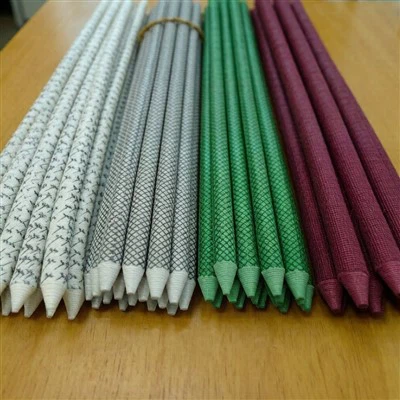
Maintaining nursery plant supports is an ongoing process, but it’s definitely worth the effort. By regularly inspecting, cleaning, and repairing the supports, we can ensure that they last longer and do their job effectively, which in turn helps the plants grow healthy and strong.
Fiberglass Handrail and Fencing If you’re in the market for high – quality nursery plant supports or just need some advice on maintenance, don’t hesitate to reach out. I’d be more than happy to help you with your plant – support needs. Let’s talk about how we can work together to make your nursery thrive!
References
- "The Complete Guide to Gardening Tools and Equipment" – A comprehensive book on gardening tools and their maintenance.
- "Plant Support Structures: Design and Function" – A research paper that discusses the importance of proper plant support and maintenance.
- Personal experience from years of working as a nursery plant support supplier.
Yizheng Wanteng Composites Co., Ltd.
As one of the most professional nursery plant supports manufacturers and suppliers in China, we’re featured by quality products and good service. Please rest assured to wholesale bulk slip-resistant nursery plant supports for sale here from our factory. Contact us for pricelist.
Address: No. 20 Longyi Road, Qingshan Town Industrial Park, Yizheng City, Jiangsu Province, China
E-mail: mark@wantfrp.com
WebSite: https://www.wantfrp.com/
