Charging a 45C RC aircraft LiPo battery safely is of utmost importance for both the longevity of the battery and the safety of the user. As a supplier of 45C RC Aircraft LiPo Batteries, I’ve witnessed firsthand the consequences of improper charging. In this blog, I’ll share some essential tips and guidelines on how to charge these high – performance batteries safely. 45C RC Aircraft Lipo Battery

Understanding the 45C Rating
Before delving into the charging process, it’s crucial to understand what the "45C" rating means. The "C" in a LiPo battery rating refers to the discharge rate. A 45C rating indicates that the battery can safely discharge at a current 45 times its rated capacity. For example, if you have a 2000mAh (2Ah) 45C LiPo battery, it can safely discharge at a current of 45×2A = 90A. This high – discharge rate makes 45C batteries ideal for high – performance RC aircraft, but it also means they require more careful handling during charging.
Choosing the Right Charger
Selecting an appropriate charger is the first step in safe charging. A good charger for 45C RC aircraft LiPo batteries should have the following features:
- LiPo Compatibility: Ensure that the charger is specifically designed for LiPo batteries. Using a charger not intended for LiPo batteries can lead to overcharging, overheating, and even explosion.
- Multiple Cell Balancing: Most RC aircraft LiPo batteries are multi – cell packs. A charger with cell – balancing capabilities is essential to ensure that each cell in the battery pack is charged evenly. This helps prevent overcharging of individual cells, which can damage the battery and pose a safety risk.
- Adjustable Charging Current: The charger should allow you to adjust the charging current according to the battery’s specifications. As a general rule, it’s recommended to charge LiPo batteries at a rate of 1C. For a 2000mAh battery, this would mean a charging current of 2A. However, some chargers may allow you to charge at higher currents, but this should be done with caution and only if the battery can handle it.
Pre – charging Checks
Before connecting the battery to the charger, it’s essential to perform the following pre – charging checks:
- Visual Inspection: Inspect the battery for any signs of damage, such as swelling, cuts, or punctures. A damaged battery should never be charged, as it can be extremely dangerous. If you notice any damage, dispose of the battery properly in accordance with local regulations.
- Voltage Check: Use a LiPo battery checker to measure the voltage of each cell in the battery pack. The voltage of a fully charged LiPo cell should be around 4.2V, while a fully discharged cell should be around 3.0V. If any cell has a significantly different voltage from the others, it may indicate a problem with the battery or the charger.
- Check the Connector: Make sure the battery connector is clean and in good condition. A dirty or corroded connector can cause poor electrical contact, which can lead to overheating during charging.
Charging Process
Once you’ve completed the pre – charging checks, follow these steps to charge the battery safely:
- Set Up a Safe Charging Area: Choose a well – ventilated area away from flammable materials and out of the reach of children and pets. It’s also a good idea to place the battery on a fireproof surface, such as a ceramic plate or a LiPo charging bag, in case of a fire.
- Connect the Battery to the Charger: Carefully connect the battery to the charger using the appropriate connector. Make sure the polarity is correct; connecting the battery with the wrong polarity can damage the charger and the battery.
- Set the Charging Parameters: On the charger, set the correct number of cells, the charging current, and other relevant parameters according to the battery’s specifications. Double – check the settings to ensure they are accurate.
- Start the Charging Process: Once you’ve set the parameters, start the charging process. Monitor the charger and the battery closely during charging. If you notice any signs of overheating, swelling, or abnormal behavior, stop the charging process immediately and disconnect the battery.
- Balanced Charging: A balanced charging process is essential for maintaining the health of the battery. Most modern chargers will automatically perform a balancing charge, which ensures that each cell in the battery pack reaches the same voltage. This process may take longer than a regular charge, but it’s worth the extra time.
Post – charging Checks
After the charging process is complete, perform the following post – charging checks:
- Voltage Check: Use the LiPo battery checker again to measure the voltage of each cell. All cells should have a voltage of around 4.2V. If any cell has a significantly different voltage, it may need further balancing.
- Temperature Check: Touch the battery gently to check for any signs of overheating. A warm battery is normal during charging, but if it’s hot to the touch, there may be a problem.
- Storage: If you’re not going to use the battery immediately, it’s recommended to store it at a partial charge. A good storage voltage for a LiPo battery is around 3.8V per cell. This helps extend the battery’s lifespan.
Storage and Maintenance
Proper storage and maintenance of 45C RC aircraft LiPo batteries are also crucial for their safety and performance. Here are some tips:
- Store in a Cool, Dry Place: High temperatures can damage LiPo batteries, so it’s best to store them in a cool, dry place. Avoid exposing the batteries to direct sunlight or extreme heat.
- Use a LiPo Storage Bag: A LiPo storage bag provides an extra layer of protection in case of a battery fire. It’s a good idea to store your batteries in a storage bag when they’re not in use.
- Regularly Check the Batteries: Even when the batteries are not in use, it’s important to regularly check their voltage and condition. If the voltage of any cell drops below 3.0V, it may indicate a problem.
Conclusion
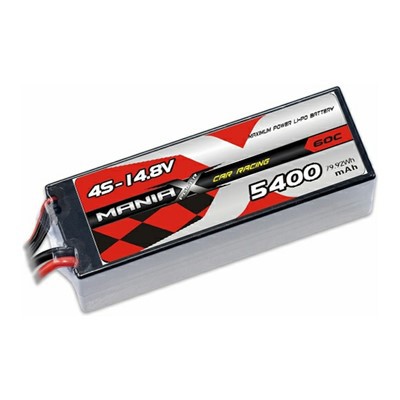
Charging a 45C RC aircraft LiPo battery safely requires careful attention to detail and adherence to the proper procedures. By understanding the battery’s specifications, choosing the right charger, performing pre – and post – charging checks, and following the correct charging process, you can ensure the longevity and safety of your batteries.
Jet Turbines LiFePO4 Battery If you’re interested in purchasing high – quality 45C RC Aircraft LiPo Batteries, please don’t hesitate to contact us for procurement and further discussions. We’re committed to providing you with the best products and services to meet your RC aircraft needs.
References
- HobbyKing RC Battery Handbook
- LiPo Battery Safety Guidelines from various RC hobbyist communities
ManiaX Power Technology Co., Ltd.
ManiaX Power Technology Co., Ltd. is one of the most reliable 45c rc aircraft lipo battery manufacturers and suppliers in China, also supports customized service. Please feel free to wholesale bulk durable 45c rc aircraft lipo battery made in China here from our factory.
Address: Room 1508, 15/F, Two Grand tower, 625 Nathan Road, Kowloon, HongKong. P.R. China
E-mail: info@maniax-power.com
WebSite: https://www.maniaxpower.com/
