Forged valves are crucial components in various industrial applications, playing a vital role in the control and regulation of fluid flow. The performance of these valves is significantly influenced by the materials from which they are made, especially when it comes to temperature limits. As a forged valves supplier, understanding these temperature limits is essential for providing the best products to our customers. Forged Valves
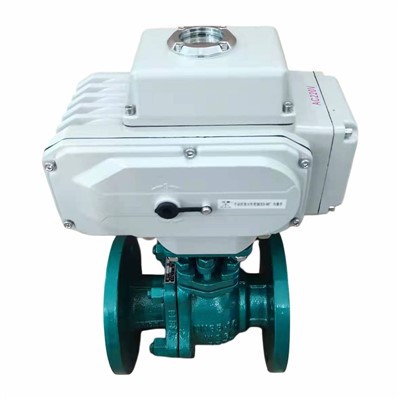
1. Carbon Steel Forged Valves
Carbon steel is one of the most commonly used materials for forged valves due to its relatively low cost and good mechanical properties. The temperature limit of carbon steel forged valves depends mainly on the carbon content and the presence of other alloying elements.
For low – carbon steel forged valves, they can generally operate in a temperature range from -29°C to 425°C. At low temperatures, the ductility of carbon steel may decrease, leading to an increased risk of brittle fracture. As the temperature rises, the strength of carbon steel gradually decreases. When the temperature exceeds 425°C, carbon steel may undergo graphitization, which is the decomposition of cementite into graphite and ferrite. This process weakens the material and reduces its mechanical properties, making the valve less reliable.
Medium – carbon steel forged valves can withstand slightly higher temperatures, typically from -29°C to 450°C. The increased carbon content provides better strength, but it also makes the material more prone to hardening and cracking during welding and heat treatment.
High – carbon steel forged valves, although having high strength, have a more limited temperature range. They are usually suitable for temperatures between -29°C and 370°C. High – carbon steel is more likely to form martensite during cooling, which is a hard and brittle phase. At high temperatures, the stability of high – carbon steel is relatively poor, and it may experience rapid oxidation and loss of strength.
2. Stainless Steel Forged Valves
Stainless steel is widely used in forged valves because of its excellent corrosion resistance. Different types of stainless steel have different temperature limits.
Austenitic stainless steel, such as 304 and 316, is a popular choice for forged valves. These materials can operate at a wide temperature range, from cryogenic temperatures (-196°C) to high temperatures up to 870°C. Austenitic stainless steel has good toughness at low temperatures, making it suitable for applications in the cryogenic industry, such as liquefied natural gas (LNG) processing. At high temperatures, the austenitic structure provides good oxidation resistance and mechanical strength. However, above 870°C, the austenitic stainless steel may start to lose its corrosion – resistant properties due to the formation of chromium carbides, which can lead to intergranular corrosion.
Ferritic stainless steel, on the other hand, has a more limited temperature range. It can typically operate from -29°C to 760°C. Ferritic stainless steel has relatively low toughness at low temperatures and may experience embrittlement. At high temperatures, it has good oxidation resistance but lower strength compared to austenitic stainless steel.
Martensitic stainless steel is known for its high strength and hardness. It can operate in a temperature range from -29°C to 370°C. Martensitic stainless steel is more prone to hardening and cracking, especially during welding and heat treatment. The high carbon content in martensitic stainless steel makes it less suitable for high – temperature applications.
3. Alloy Steel Forged Valves
Alloy steel forged valves are designed to meet specific performance requirements in different industrial environments. The temperature limit of alloy steel forged valves depends on the types and amounts of alloying elements.
Chromium – molybdenum (Cr – Mo) alloy steel is commonly used in high – temperature applications. For example, 1.25Cr – 0.5Mo steel can operate at temperatures up to 593°C. The addition of chromium and molybdenum improves the high – temperature strength and oxidation resistance of the steel. At high temperatures, the Cr – Mo alloy steel forms a protective oxide layer on the surface, which helps to prevent further oxidation and corrosion.
Nickel – chromium (Ni – Cr) alloy steel is also used for forged valves in high – temperature and high – pressure applications. These alloys can withstand temperatures up to 816°C. The high nickel content provides good ductility and corrosion resistance, while the chromium content enhances the oxidation resistance.
4. Influence of Temperature on Valve Performance
The temperature has a significant impact on the performance of forged valves. At low temperatures, the material’s ductility may decrease, leading to an increased risk of brittle fracture. This can cause the valve to fail suddenly, resulting in serious safety hazards.
At high temperatures, the material’s strength and hardness may decrease, and the valve may experience creep deformation. Creep is the slow and continuous deformation of a material under a constant load at high temperatures. If the valve experiences excessive creep, it may lead to leakage or loss of sealing performance.
In addition, temperature changes can also affect the sealing performance of the valve. The thermal expansion and contraction of the valve components can cause the sealing surfaces to lose contact, resulting in leakage. Therefore, it is crucial to select the appropriate material and design the valve to ensure its reliable performance within the specified temperature range.
5. Importance of Selecting the Right Material Based on Temperature
Selecting the right material for forged valves based on the operating temperature is crucial for ensuring the safety and reliability of industrial systems. Using a valve with an inappropriate temperature limit can lead to premature failure, increased maintenance costs, and potential safety risks.
For example, in a high – temperature steam application, using a carbon steel valve that is not suitable for high – temperature operation may result in the valve losing its strength and sealing performance, leading to steam leakage. On the other hand, using an austenitic stainless steel valve in a cryogenic application can ensure good toughness and corrosion resistance at low temperatures.
As a forged valves supplier, we have a team of experts who can help our customers select the most suitable material for their specific applications. We take into account the operating temperature, pressure, fluid type, and other factors to provide the best valve solutions.
6. Contact for Procurement and Consultation
If you are in need of forged valves and are concerned about the temperature limits and material selection, we are here to assist you. Our experienced team can provide detailed information about the temperature limits of different materials and help you choose the right valve for your application.
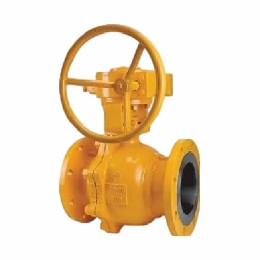
We understand the importance of reliable valve performance in industrial processes. Our forged valves are manufactured to the highest quality standards, ensuring long – term reliability and safety. Whether you are in the oil and gas, chemical, power generation, or other industries, we can offer the right valve solutions to meet your needs.
Y-type Filter Don’t hesitate to contact us for procurement and consultation. We look forward to working with you to ensure the success of your projects.
References
- ASME Boiler and Pressure Vessel Code
- ASTM Standards for Forged Metals
- Valves Handbook, Edited by Leo K. Manges
Xiongxiang Valve Group Co., Ltd.
As one of the most professional forged valves manufacturers and suppliers in China, we’re featured by quality products and good price. Please rest assured to wholesale cheap forged valves for sale here from our factory. Contact us for more details.
Address: Building 1, No.306, 12th Binhai Road, Jinkai District, Wenzhou City, Zhejiang Province, China
E-mail: Clairesun2312@outlook.com
WebSite: https://www.steelvalvegroup.com/
