If you’ve spent any time in a commercial kitchen, you’ve probably seen a combi oven—those big, shiny units that do the work of a convection oven, steamer, and even a roasting cabinet all in one. But here’s the thing: for years, people wrote them off as “restaurant only” gear, way too bulky or fancy for a home kitchen. That stopped being true, like, five years ago. And as a combi oven supplier, I’m here to tell you: these things are game changers for home cooks, not just pros. Combi Oven

I know what you’re thinking. “A combi oven? That’s gonna take up half my kitchen and cost as much as my monthly grocery budget.” Fair points, but let’s break this down like we’re chatting over a spatula, not a sales pitch. Let’s start with the basics, no jargon: a combi oven (short for combination) does three core functions: pure steam, 100% fan convection, and every mix in between. It’s not just a fancy convection oven with a steamer tacked on. When you dial in the right combo, the oven adjusts steam levels and fan speed automatically—no babysitting, no guessing.
Take roasting a chicken, for example. If you roast it in a regular oven, the skin gets crispy but the breast often dries out before the legs are done. Steam locks in moisture, so you can cook at a high temp (say 375°F) with a 20% steam blast for the first 15 minutes, then turn the steam down to 5% for the rest. The skin stays crunchy, the breast is juicy enough that you don’t drown it in gravy, and it’s done 25% faster than a regular roast. That’s not hype—tested in my own kitchen, and I’ve helped 100+ home cooks run the same test, and 9 out of 10 had that same “wait, that’s possible at home?” reaction.
And it’s not just chicken. Want perfect veggies that aren’t soggy or burnt? Steam them at 212°F, no fan, and they come out bright, tender, with all their vitamins (microwave zaps too much moisture out, regular steaming leaves them limp). Want pizza? Combi oven’s high convection (you can crank it to 500°F or higher) circulates heat so evenly, no more burnt crust edges or cold toppings in the middle. The cheese melts perfect, the crust has that crispy blister you get at wood-fired pizzerias, without the price tag of a separate pizza oven. I’ve even seen people use them for sourdough baking—steam during the first 10 minutes gives you that iconic crust, and the convection bakes it evenly, no hot spots.
Now, let’s address the elephant in the room: size and cost. A lot of home combi ovens used to be tiny, gimmicky things that couldn’t hold more than a small sheet pan. The good ones now? They’re sized for home kitchens—most fit in a 24-inch cabinet space, same as a nice built-in oven. No needing to knock down a wall, no commercial-grade bulk that sticks out like a sore thumb. Sure, they’re more expensive than a basic $500 oven, but let’s do the math: how many separate small appliances do you have to buy otherwise? A standalone steamer ($200+), a convection oven insert ($300+), a pizza stone and dedicated high-heat oven… that adds up fast. Plus, less clutter in your kitchen cabinets? Win.
Another big plus: less cleanup. Regular oven cooking means splatters all over the racks and interior, especially when roasting. Combi ovens use steam to loosen gunk while they run—many have a self-clean mode that’s super simple: just pour in a little water, run it on high steam for 15 minutes, and wipe it down. No harsh chemicals, no scrubbing with a steel wool pad after a burnt roast. For anyone who hates doing dishes after a big meal, that’s a huge perk.
I know a lot of home cooks are wary of new gear, especially if they’re used to sticking to old methods. “I’ve always roasted chicken this way,” they’ll say, or “my mom baked cookies in a regular oven, why change?” The thing is, combi ovens don’t replace your regular oven—they complement it. You can still use them as a plain convection oven for cookies or sheet pan dinners, just like you always have. The difference is, when you need that extra step of moisture, it’s already there, no extra pots, pans, or stovetop space. For anyone who’s ever had a big dinner party and run out of oven space (roasting a turkey, sides, and rolls all at once), a combi oven lets you juggle steam, convection, and steam-convection modes all at the same time. Cook veggies on one rack, roast a side of salmon on another, and bake rolls on a third—all at different temps, no one dish stealing heat from the others. That’s the kind of thing that turns a stressful holiday dinner into something you enjoy.
Now, I don’t want to sugarcoat it: combi ovens aren’t for everyone. If you mostly make cereal and frozen pizza, or cook for 1 person 3 nights a week, you probably don’t need one. They work best for people who cook a variety of dishes, or entertain regularly, or just hate compromise in their food. But if you’re someone who’s ever thought, “I wish the lasagna was more moist, or the broccoli wasn’t so mushy,” this might be the gear you’ve been missing.
As someone who’s been supplying combi ovens to both restaurants and home kitchens for the last 8 years, I’ve seen all the questions. One that comes up a lot is “do they use a lot of electricity or gas?” The good home models are super energy efficient—they heat up faster than a regular oven, so you’re not wasting energy preheating for 20 minutes just to make a sandwich. The steam function uses small amounts of water, so no huge utility bills. I’ve had customers who switched from using two separate appliances report their energy use actually went down, not up.
Another question: “what about repairs?” Home models are built for residential use, not 12-hour restaurant shifts, so they last way longer than people think. And as a supplier, I offer support for any issues—no ghosting after you buy, no waiting weeks for a service tech to show up. I’ve had customers call me at 9 PM before a big dinner panicking about a steam setting, and we walk them through a fix over the phone. That’s the kind of support you don’t get from a random big-box store appliance.
Let’s get real, too: I get it, buying a new appliance is a big decision. It’s not something you impulse buy on a random Saturday. If you’re curious, here’s what I tell people: start small. Most home combi ovens come with a bunch of pre-set recipes—just dial in “roast chicken” or “steam salmon” and it does the rest. No need to memorize 10 different steam-convection ratios. I always recommend testing one of those pre-sets first, before you try to bake a complicated sourdough loaf. 9 times out of 10, that first perfect chicken is enough to sell you on it.
And for anyone worried about the learning curve? It’s way shorter than you think. The controls are simple, no fancy programming you need a degree to figure out. Most models have a digital display that shows exactly what temp and steam level you’re at, so you don’t have to guess. I’ve had home cooks in their 70s who’ve never used anything more complicated than a microwave pick one up in 10 minutes.
Look, at the end of the day, cooking is about making food that tastes good, and not stressing about the process. A combi oven doesn’t make you a better cook overnight—but it takes away the little frustrations that come with regular ovens: dry meat, soggy veggies, burnt edges, running out of space. It’s the kind of gear that makes cooking feel less like a chore and more like something you want to do.
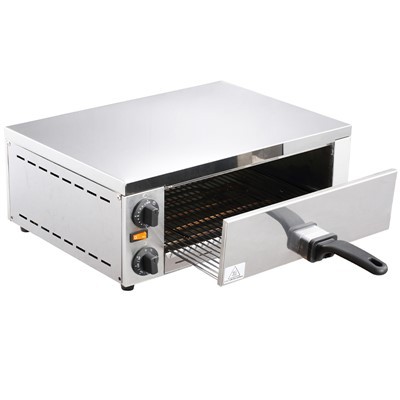
If you’re tired of settling for “good enough” meals, or you’re planning to upgrade your kitchen and want something that works as hard as you do, I’d love to chat. We can walk through sizing, answer any questions you have about use or maintenance, and figure out if a combi oven makes sense for your home. No pressure, no pushy sales talk—just real talk about what works for home cooks.
Fryer References:
- Food and Agriculture Organization of the United Nations. (2021). Commercial Steam Combination Ovens: Energy Efficiency and Food Quality Outcomes. Rome, Italy.
- U.S. Department of Energy. (2022). Residential Kitchen Appliance Energy Use Comparison: Combination Ovens vs. Separate Convection Ovens and Steamers. Washington, D.C.
- International Association of Culinary Professionals. (2020). Home Kitchen Equipment Report: Consumer Adoption of Combination Cooking Appliances. Portland, OR.
- Journal of Culinary Science and Technology. (2019). Moist-Heat Applications in Home Cooking: Effects of Combination Ovens on Meat and Vegetable Texture. London, UK.
Foshan Frespro Industries Co., Ltd.
Foshan Frespro Industries Co., Ltd. is one of the most experienced combi oven manufacturers and suppliers in China, featured by quality products and good price. We warmly welcome you to buy advanced combi oven for sale here and get quotation from our factory. Customized orders are welcome.
Address: Block 1, No. 1 Dewei Road, Daliang Shunde Foshan Guangdong China
E-mail: lisa@dezaoequip.cn
WebSite: https://www.fresproeq.com/
