If you run a metalworking shop, a heat treat facility, or any operation that relies on consistent, high-temperature processing, your pit furnace is one of your most critical pieces of equipment. Over months and years of use, though, its interior can build up a hidden layer of contaminants that will throw off your thermal uniformity, reduce heating efficiency, and even damage the parts you’re processing. As a pit furnace supplier with more than 15 years of working directly with shops across industries, I’ve seen operators skip regular interior cleaning, only to face costly downtime, rejects, and premature wear on their furnace heating elements and refractory lining. Today, I’m walking you through the step-by-step process of cleaning your pit furnace’s interior properly, so you can keep your equipment running reliably for years to come. Pit Furnace
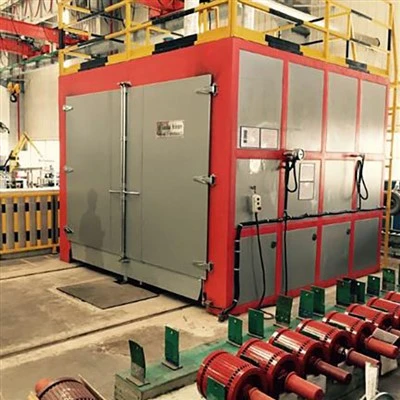
First, let’s get clear on why this cleaning matters. Pit furnaces operate in closed, high-temperature environments, so the contaminants that build up aren’t just dust or grime. The most common culprits are: carbon soot from burnt lubricants or quenching oil residue that breaks down during heating, scale from metal parts that flake off as they’re heated to forging or annealing temperatures, flux residues from brazing or soldering processes, and even small amounts of oxidation from the refractory lining itself reacting with airborne contaminants. Left unchecked, this buildup acts as an insulator, making your furnace work harder to reach and hold your set temperature—wasting energy and driving up utility bills. It can also flake off mid-process and stick to your workpieces, ruining finished parts and forcing rework. For operators who run specialty heat treat jobs, like vacuum brazing or high-temperature annealing, even a thin layer of soot can disrupt inert gas flow and create surface defects on critical components.
Before you grab your cleaning tools, there are a few non-negotiable pre-cleaning steps to prioritize. Safety is number one here, and it’s non-negotiable. First, turn off all power to the furnace, disconnect it from any gas or fuel lines, and lock out/tag out the energy source—this is standard for all furnace maintenance, and I can’t stress it enough. Next, let the furnace cool completely. Rushing this step can cause thermal shock to the refractory lining, leading to cracks that will become major issues down the line. I always tell operators to plan for a 24 to 48 hour cool-down period, depending on how hot the furnace was running for its last job. Once it’s cool enough to touch with bare hands, open the furnace lid slowly and let any residual heat and accumulated fumes vent out for at least an hour. Last, put on proper PPE: heat-resistant gloves, a face shield, a N95 or higher respirator (many of these contaminants are fine particulate matter that you don’t want to inhale), and steel-toed boots. Never skip the respirator—carbon soot and metal scale particles are not something your lungs can filter.
Now, let’s break down the cleaning process step by step, tailored to the design of a typical pit furnace, which features a vertical cylindrical refractory lining, heating elements mounted along the walls, and often a radiant tube or gas burner at the bottom.
Step one is the initial surface removal of loose, dry debris. Start with a soft bristle brush or a stiff nylon brush—avoid metal bristle brushes at this stage, as they can scratch or damage delicate heating elements or the refractory surface. Work from the top of the lining down, so you don’t kick debris onto already cleaned areas. Brush in long, even strokes, paying extra attention to gaps between the heating elements, the seams in the refractory lining, and the area at the bottom of the furnace where scale and soot tend to settle. For larger, thicker chunks of scale that are stuck, you can gently tap them loose with a wooden dowel—never use metal tools here, as they can spark or leave debris that will melt onto your next batch of parts. As you brush, use a shop vacuum with a HEPA filter to suck up debris immediately. A regular household vacuum will clog quickly and blow fine particulate matter back into the air, so invest in a dedicated high-temperature vacuum designed for industrial use—this is a small expense that will save you a lot of headache. Do not use a compressed air hose for dry brushing, as this will spread contaminants all over the facility, and they will settle on equipment, parts, and work areas, creating safety and quality issues.
Step two focuses on cleaning the heating elements, which are one of the most expensive parts of a pit furnace to replace. Many operators overlook this, but soot and scale buildup on heating elements reduce their efficiency by up to 30% over time, and can cause hot spots that lead to element failure. Gently inspect each element as you clean it—look for cracks, breaks, or signs of oxidation that indicate it’s nearing the end of its service life. For thin, light soot buildup on elements, use the same stiff nylon brush you used for the lining, brushing along the length of the element in the direction of its windings to avoid bending or breaking the fragile coils. For thicker, baked-on residue, you can use a specialized refractory and element cleaner—these are mild, non-abrasive solutions designed to break down carbon and metal scale without etching or damaging the element’s ceramic coating. Apply the cleaner with a soft cloth, wipe the element down, then rinse with distilled water (tap water can leave mineral deposits that will cause issues during heating) and dry completely. Never use harsh chemicals like bleach or industrial solvents on heating elements—these can leave toxic residues that will off-gas during your next high-temperature run, ruining parts and creating safety hazards.
Step three is deep cleaning the refractory lining. The lining is what insulates the furnace, so any buildup on its surface will reduce its insulating performance over time. For light, evenly distributed soot, a mix of warm water and a small amount of mild, pH-neutral dish soap works well. Apply the solution with a soft sponge or microfiber cloth, working in circular motions to avoid scrubbing too hard in one area, which can erode the refractory’s surface. For heavier, baked-on scale or flux residue, you may need to use a mild abrasive paste—again, make sure it’s non-abrasive enough for refractory surfaces. Test a small, hidden area first to confirm it doesn’t discolor or etch the lining. After cleaning, rinse the entire lining thoroughly with clean distilled water to remove all soap residue, then leave the furnace lid open for 12 to 24 hours to allow the lining to dry completely. Moisture trapped in the refractory lining will cause it to crack when you heat the furnace back up, so this drying step is critical. If your pit furnace has a rusted metal inner shell (common in older units with no refractory lining), you can also use a light rust remover formulated for high-temperature metal surfaces here, followed by a coat of high-temperature heat-resistant paint designed for furnace interiors.
Step four is cleaning the base and floor of the furnace, which is where most heavy debris accumulates. After brushing and vacuuming loose debris, remove the bottom grate or hearth plate (check your furnace manual for specific removal instructions—never force a part that’s stuck) and scrub it with a stiff brush and a mix of water and mild cleaner. For heavy buildup, you can soak the hearth plate in a tub of warm water and cleaner for a few hours before scrubbing. Clean the furnace’s bottom surface the same way, and check for any accumulated debris in drain lines or gas ports (if you have a gas-fired pit furnace) and clear any blockages with a soft wire or compressed air (at low pressure) to ensure proper airflow during future runs.
Once all the cleaning is done, it’s time to do a final check before restarting the furnace. Double-check that all heating elements are intact, all refractory surfaces are clean and free of debris, and the hearth and grates are fully reinstalled. Close and seal the furnace lid securely—any gaps here will let in outside air, which can cause oxidation and reduce furnace efficiency. Now, run a low-temperature bake-out: heat the furnace to 200 degrees Celsius (392 degrees Fahrenheit) and hold it for four hours, then raise it to 500 degrees Celsius (932 degrees Fahrenheit) and hold for another four hours. This will burn off any remaining cleaner residue and ensure all moisture is gone from the lining. Vent the furnace during this bake-out step, as it will release small amounts of vapor from residue. Once the bake-out is done, let the furnace cool to your standard operating temperature, and run a test load of scrap parts to confirm there are no contaminants left.
To keep your pit furnace’s interior clean between deep cleanings, follow a regular maintenance schedule. For most operations, a monthly visual check is enough—open the lid after a cool-down, inspect for light buildup, and do a light vacuum and brush of loose debris every three months. A full deep clean, like the one we walked through here, should be done every six to twelve months, depending on how often you use your furnace and the type of parts you process. If you run high-volume jobs or work with materials that produce a lot of scale or flux (like stainless steel or aluminum), you may need to do full deep cleans every six months.
As a pit furnace supplier, I’ve talked to hundreds of operators who tell me they put off cleaning their furnace because they don’t have the time or the right tools. But the truth is, consistent cleaning is one of the easiest and most cost-effective ways to extend the life of your furnace, reduce energy costs, and improve part quality. A well-maintained pit furnace can last 20+ years, while one that’s neglected will need major repairs or replacement in 8 to 10 years—so the time you spend cleaning now will pay for itself many times over.

If you have questions about cleaning a specific model of pit furnace, or if you’re in the market for a new or replacement furnace that’s designed for easy maintenance and consistent performance, feel free to reach out to our team to discuss your needs. We work with shops of all sizes, from small local operations to large national heat treat facilities, and we can help you find a solution that fits your budget and your production requirements.
Electric Furnace References
- ASM International. (2016). Heat Treater’s Guide: Practices and Procedures for Iron and Steel. ASM International.
- Industrial Furnace Manufacturers Association. (2020). Recommended Maintenance Practices for Industrial Pit Furnaces. IFMA Technical Bulletin.
- Moore, J. (2019). “Preventive Maintenance of High-Temperature Furnaces.” Journal of Industrial Heat Treating, Vol. 17, No. 2, pp. 24-29.
- Harrington, R. (2018). Refractory Lining Care and Maintenance for Industrial Furnaces. CRC Press.
Jiangsu Fangwei Furnace Industry Co., Ltd.
Jiangsu Fangwei Furnace Industry Co., Ltd. is one of the most professional pit furnace manufacturers and suppliers in China. With abundant experience, we are committed to providing high quality customized products with competitive price. Please feel free to buy advanced pit furnace made in China here from our factory.
Address: No.168, HuangNian Bridge, DaoShu Town, Danyang City, JiangSu Province, China
E-mail: fangwei@fwfurnaces.com
WebSite: https://www.fwfurnaces.com/
