If you’re in the business of packaging, manufacturing, or even consumer goods, you’ve likely interacted with thermoformed products without even realizing it. As a thermoforming film supplier, I’ve spent years walking clients through the nuances of this versatile material, and one question comes up again and again: “What can thermoforming film actually be used for?” It’s a fair question—thermoforming is often misunderstood as a one-note process for basic plastic trays, but the applications are far more varied, impactful, and sometimes even hidden in plain sight. Let’s break down how thermoforming film powers industries we use every day, beyond just food packaging. Thermoforming Film
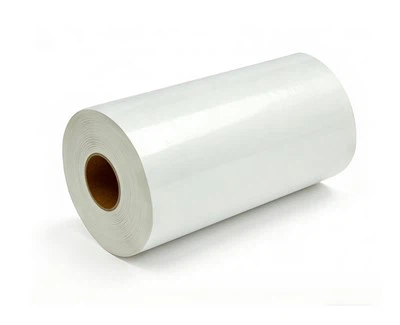
First, let’s ground this in what thermoforming film is, briefly, to set context. Unlike rigid plastics, thermoforming film is a thin, flexible (but durable) sheet of plastic that softens when heated, is shaped over a mold, and then cools into a solid form. Its strength, clarity, and ability to be customized (in thickness, texture, and barrier properties) make it ideal for everything that needs to be both protective and functional. I’ve had clients walk into my factory thinking it’s only for fruit trays, only to leave with a whole new list of use cases they never considered. Let’s start with the most ubiquitous application people actually see: food packaging.
When you grab a pre-made salad, a piece of fresh meat from the grocery store, or a blister pack for a pharmaceutical blister card, chances are it’s made with thermoforming film. For fresh produce, specifically, the film’s barrier properties are non-negotiable. I supply multi-layer thermoforming films that have high oxygen and moisture barriers—they keep apples crisp for two weeks longer by slowing down respiration, and prevent spoilage of ground beef by blocking out air and bacteria. Even the clamshell containers for berries? That’s thermoformed film, too. The thin, lightweight plastic cuts down on transportation costs, which is a big win for grocery chains, and it’s rigid enough to protect delicate fruit from getting crushed in a produce stack. I recently worked with a family-owned farm that switched from foam trays to our custom thermoforming films; their produce waste dropped by 18% in the first quarter alone, because the film was better at retaining moisture and the trays fit the shape of their strawberries perfectly, reducing movement during shipping.
Then there’s the pharmaceutical industry, an area where thermoforming film is not just convenient—it’s critical. Blister packs, those individual sealed pockets for pills or insulin pens, are almost always made with thermoforming film. Here, the film needs to meet strict regulatory standards (think FDA compliance, for those working in the U.S.) for safety and sterility. We supply medical-grade thermoforming films that are resistant to punctures, so a kid can’t pop a blister pack open easily, and they’re also moisture-resistant to keep medications from degrading. I’ve talked to a pharma packaging specialist who told me their older packaging used rigid aluminum blister packs, but switching to our flexible thermoforming film cut their packaging material costs by 22% and made the packs easier to carry for patients who travel. Even sterile pouches for medical devices, like surgical tools or implantable devices, use thermoforming film because it can be heat-sealed to maintain a sterile barrier during storage, and is thin enough to let sterilization gases (like ethylene oxide) penetrate easily during processing.
Moving beyond food and medicine, there’s the automotive industry, a space where thermoforming film has become a staple in the last 10 years. I never expected to be working with car manufacturers when I started in this business, but now a big portion of my client base is in automotive interior manufacturing. Thermoforming film is used for everything from door panels to dashboard components. It’s lightweight, which helps car makers improve fuel efficiency (every pound of material saved adds up across a whole vehicle), and it can be molded into complex shapes that look like leather or wood grain, which is perfect for luxury car interiors. Wait, let’s get specific: the soft-touch trim on a Tesla’s dashboard? That’s a thermoformed film, often with a textured surface to resist fingerprints and UV damage, so it doesn’t fade from sunlight. We also supply films for vehicle cargo liners, which are scratch-resistant and easy to wipe clean—no need for heavy rubber liners when a thin thermoformed film can do the job for a fraction of the weight. Last year, we worked with a European car brand that was launching a new electric SUV; their design team wanted a interior that felt premium but was sustainable, so we developed a thermoforming film made from 30% recycled plastic, which they used for their door trim panels. That’s a big win for both the brand’s sustainability goals and our ability to adapt materials to specific industry needs.
Another underrated application is in electronics packaging. Think about when you buy a new phone, a laptop, or even a pair of wireless headphones. The molded plastic trays that hold the device, its charger, and earbuds in place inside the box are thermoformed film. They’re custom-shaped to fit each component perfectly, so nothing shifts during shipping. That reduces damage, which is huge for electronics—one scratch on a phone screen during transit can lead to a return, which costs the manufacturer time and money. I’ve worked with a major audio equipment brand that used to use Styrofoam inserts for their speaker packaging, but switched to our rigid thermoforming film trays. Not only did the packaging look more high-end on store shelves (they could print their logo right on the film, which Styrofoam can’t do), but their product damage rate dropped by 25% because the trays were more precise and absorbent of minor impacts. Even for small electronics, like fitness trackers or smart watches, thermoforming film blister packs are used to keep components secure and visible to customers, which drives sales too—shoppers can see the product without opening the package.
Then there’s the beauty and personal care industry, where thermoforming film is used for everything from cosmetic palettes to skincare product packaging. Eye shadow palettes, for example, often have a thermoformed film tray that holds the powder pans, mirror, and applicators all in one place. The film is lightweight, so it cuts down on the cost of shipping a palette, and it can be tinted or printed with brand graphics to match the product’s aesthetic. We also supply thermoforming films for the packaging of face masks and sheet masks—those soft, flexible trays that hold the mask sheet and serum are made from thermoformed film, which is sealed to keep the serum fresh until use. A client in the K-beauty space told me that using our clear thermoforming film for their sheet mask packaging made the product stand out on shelves, because customers could see the clear serum inside. They switched from opaque plastic packaging and saw a 12% increase in in-store sales as a result.
Wait, let’s not forget industrial applications, which are maybe the most industrial but still critical. Thermoforming film is used for protective wrapping for large equipment, like industrial machinery parts or even construction materials. It’s waterproof and tear-resistant, so it keeps metal parts from rusting during storage or shipping, and it can be printed with labeling that includes handling instructions or part numbers. We also supply thermoforming films for agricultural uses, like crop covers or mulch films that help retain soil moisture and control weeds. Those mulch films are often thermoformed to fit specific row sizes, which makes them easier to lay in fields and reduces waste compared to generic plastic sheets. A local farmer I work with says our thermoformed mulch film helped his tomato crop ripen two weeks earlier because it kept the soil warmer, which meant he could sell his tomatoes at the first farmers’ market of the season, when prices are highest.
Now, a question I get all the time as a thermoforming film supplier: “What makes thermoforming film different from other plastics?” The key is its versatility in processing. Unlike injection-molded plastics, which are good for high-volume rigid parts, thermoforming film is thin enough to be customized for a huge range of uses, from ultra-flexible food wraps to rigid automotive panels. It’s also more cost-effective for small to medium production runs—if a brand only needs 10,000 custom trays, thermoforming is a better option than injection molding, which requires expensive tooling. That flexibility is why so many industries turn to it, regardless of their size.
I’ve seen a lot of changes in the thermoforming film industry over the years, too, mostly around sustainability. More and more clients are asking for films made from recycled materials, or films that are recyclable at the end of their use. Last year, we launched a line of post-consumer recycled thermoforming films, and the demand for that product has been skyrocketing. Brands don’t want to use plastic that ends up in landfills, so they’re turning to thermoforming because it can be adapted to sustainable materials without losing functionality. That’s one of the reasons I love being a thermoforming film supplier—we can work with clients to develop custom solutions that meet their specific needs, whether that’s a film for a food tray, a medical blister pack, or a sustainable automotive component.

At the end of the day, thermoforming film is a material that’s easy to overlook, but it’s integrated into almost every part of our daily lives. From the salad you eat for lunch to the pills you take at night, from the car you drive to the phone in your pocket, it’s there doing the work of protecting products, reducing waste, and making life easier. If you’re a business owner looking for a packaging or component material that’s durable, customizable, and cost-effective, thermoforming film is worth exploring. We specialize in custom thermoforming film solutions tailored to your industry and needs, so don’t hesitate to reach out to connect for procurement or to discuss a project. Whether you’re a small startup testing a new product or a large corporation looking to update your packaging, we can help you find the right thermoforming film for your application.
Barrier Shrink Bag References:
- ASTM International. (2022). Standard Practice for Thermoforming of Plastic Sheets. ASTM D4993-22.
- Food and Drug Administration. (2021). Guidance for Industry: Packaging Materials for Food and Drugs. U.S. Department of Health and Human Services.
- Society of Plastics Engineers. (2023). Thermoforming: Industry Trends and Sustainable Material Developments. SPE Thermoforming Division Annual Report.
- Automotive Industries Association. (2022). Lightweight Materials in Modern Vehicle Interiors. AIA Tech Report No. 10-2022.
Sinosealed Packaging Solutions Limited
With a professional production team, we are one of the most experienced thermoforming film manufacturers and suppliers in China. Please rest assured to buy high quality thermoforming film for sale here from our factory. For price consultation, contact us.
Address: Luohe City, Henan Province, China
E-mail: contact@barrierpackage.com
WebSite: https://www.barrierpackage.com/
