When I started my career as an outdoor ESS (Energy Storage System) cabinets supplier, I assumed our job ended the second a unit left the warehouse. Early on, we learned that’s just the start. Last year, a mid-sized renewable energy client called at 2 a.m. — their three solar farm ESS cabinets had developed condensation after a week of unseasonal cold snaps, and their site techs couldn’t diagnose the issue fast enough. We hopped on a video call with their lead tech, walked them through checking the seal integrity of each cabinet’s access panels, and sent a replacement desiccant pack via expedited freight by sunrise. That call stuck with me because it wasn’t about selling a cabinet — it was about standing by our product when the customer needed it most, and that’s exactly what getting good after-sales service for outdoor ESS cabinets boils down to: knowing how to cut through generic support and find the kind that actually fits the unique, harsh demands of outdoor energy storage. Outdoor ESS Cabinets
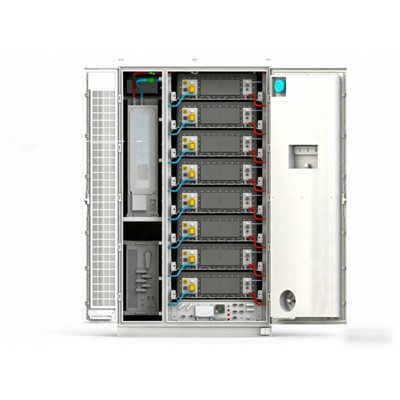
First, let’s be clear: outdoor ESS cabinets aren’t your standard office storage locker. They live in blazing deserts, frigid mountain passes, coastal salt air, and monsoon zones — environments that test every seal, vent, and internal component. A cabinet that works in a mild California suburb could fail in a remote Canadian wind farm, and a faulty seal or a delayed diagnostic could mean days of lost energy production, which is a direct hit to a customer’s revenue and sustainability goals. That’s why generic after-sales (the kind that works for a smartphone or a lawnmower) doesn’t cut it here. So how do you navigate from “we offer after-sales support” to “we get outdoor ESS and our support is on call 24/7”?
Start by vetting your supplier’s support structure before you even buy. Too many customers wait until they have a problem to ask about support, which is like checking the tire pressure mid-road trip. Last quarter, we lost a potential client who’d been comparing our cabinets to a cheaper competitor — their main concern, they told us, was that the competitor’s support team only worked 9-to-5 local time, meaning a Saturday storm that knocked out a cabinet would have to wait until Monday to fix. We offer a dedicated support line for all our clients, with engineers on call 24/7, 365 days a year, plus on-site support teams across North America and Europe for installations over 100 miles from a port. If you’re shopping for outdoor ESS cabinets, here’s what to ask upfront, not after delivery: How many of your support engineers have actual field experience with outdoor energy storage, not just call-center training? Can you provide contact info for three recent clients who’ve needed emergency support for environmental issues (like condensation, seal leaks, or temperature control)? What’s your average response time for remote vs. on-site repairs? Don’t take “we offer after-sales service” as a yes — push for specific, measurable promises tied to outdoor-specific scenarios.
Next, prioritize support that’s tailored to your cabinet’s specific environmental rating. All outdoor ESS cabinets have an IP (Ingress Protection) rating that tells you how resistant they are to dust and water — for example, an IP65 cabinet is dust-tight and resistant to low-pressure water jets, while an IP67 unit can be submerged temporarily. But even the highest IP rating won’t protect against a faulty installation, or a seal that wasn’t tested for extreme temperature swings. A customer in the Gulf Coast of Texas recently had an IP65 cabinet that developed rust on its internal frame within six months; turns out, the installer had skipped applying the manufacturer’s recommended anti-corrosion coating to the cabinet’s base, a step our team reminds all clients of during their pre-launch check. Our support team doesn’t just troubleshoot broken parts — they walk you through maintenance that’s specific to your location. For clients in salt-heavy coastal areas, we send a quarterly checklist to inspect seal gaskets for salt buildup, and for clients in snowy regions, we share guidelines to clear vent covers to prevent ice blockages that cause overheating. If your supplier’s support only covers “fixing defects” not preventing them, that’s a red flag — good after-sales for outdoor ESS is proactive, not just reactive.
Then, leverage the supplier’s access to real-time data and remote diagnostics. This is a game-changer for outdoor ESS, because most of these sites are remote — think wind farms in the Great Plains or solar arrays in the Arizona desert, where sending a tech out for a small issue costs hundreds of dollars and takes days. Our cabinets come with a built-in remote monitoring portal that lets our support team track temperature, humidity, and power usage in real time, even before the customer notices a problem. Last month, a client in Wyoming got an alert from our portal that one of their cabinets was running 10 degrees hotter than the normal operating range — before their site techs even noticed, our support team diagnosed a clogged air filter (a common issue in dusty plains) and walked them through cleaning it over a video call, saving them a trip that would have taken 4 hours each way. When asking a supplier about remote support, don’t just ask if they offer it — ask what data they can access remotely. Can they see individual component performance, not just overall system status? Do they offer remote software updates to fix bugs without sending a tech? How long has their remote monitoring tool been tested in actual outdoor environments, not just lab settings?
Another key piece: spare parts availability tailored to outdoor use. If your cabinet breaks down in a remote location, waiting two weeks for a replacement gasket or a cooling fan can cost you thousands in lost energy output. We keep a 90-day supply of the most common outdoor-specific spare parts (seal gaskets, desiccant packs, cooling fans, corrosion-resistant hardware) in regional warehouses across the U.S., EU, and Australia. For emergency parts, we offer expedited shipping that guarantees delivery within 48 hours for most locations, even if that means air freight at our cost. But here’s a thing to watch for: some suppliers offer cheap cabinets but force you to buy spare parts exclusively from them at inflated prices. When negotiating, ask if spare parts are available from third-party vendors at competitive prices, or if you’ll be locked into their pricing. Our policy is simple: we sell original manufacturer parts at fair, transparent rates, and we publish a full parts list online so customers know exactly what they need, no hidden fees.
Also, don’t sleep on training for your in-house techs — this is part of after-sales too. We host quarterly, free virtual training sessions for all our clients’ techs, covering everything from basic maintenance (inspecting seals, testing ventilation) to troubleshooting common environmental issues (condensation, dust buildup, ice damage). Last year, a small solar client in Ohio told us that after our training, their techs fixed a minor seal leak on their own, without needing to call us — saving them time and money, and giving their team more confidence. Good after-sales isn’t just the supplier coming to you — it’s equipping you to handle small issues on your own, which cuts down on downtime when emergencies do pop up. Ask your supplier if they offer training, whether it’s in-person or virtual, and if it’s tailored to outdoor ESS specific challenges, not generic electrical equipment.
Now, what should you do if you’re already dealing with a support issue right now? Let’s say your cabinet is showing condensation in the winter, or overheating in the summer. Here’s a step-by-step approach to get fast, effective help: First, document everything. Take photos of the issue (close-ups of seal gaps, internal moisture, dust buildup), note the exact location of the cabinet, and any environmental conditions (temperature, humidity, recent weather) in the 72 hours before the issue started. This is the single fastest way to cut down diagnostic time — our support team can narrow down a problem in 10 minutes if a client sends clear photos and location details, instead of 2 hours of back-and-forth. Second, reach out directly to the supplier’s dedicated outdoor ESS support line, not a general sales or customer service number. Third, ask for a clear timeline for next steps — whether it’s remote troubleshooting, a on-site tech, or a replacement part. If the supplier can’t give you a specific timeline, not a vague “we’ll get back to you,” that’s a sign their support process is disorganized.
Over the years, we’ve learned that the best after-sales service for outdoor ESS cabinets is built on trust, not just contracts. A few months ago, a client in Chile had two cabinets damaged in a wildfire that swept through their solar site. Their insurance was tied up, and they needed replacements fast to avoid missing their energy output quota for the quarter. We worked with our logistics team to ship the replacements via a dedicated sea freight route that cut delivery time from 6 weeks to 3, and our on-site team arrived within a week to install them, free of charge because the damage was due to a weather event our cabinets were rated to withstand. That’s the kind of support that turns first-time buyers into long-term partners — and it’s the kind you should demand from any supplier you work with.
At the end of the day, outdoor ESS cabinets are a critical piece of renewable energy infrastructure, and their performance depends on more than just the initial hardware. It depends on a support team that understands the dust, cold, salt, and heat that these cabinets face every single day. If you’re in the market for outdoor ESS cabinets, don’t make your choice based on price alone — make sure the supplier’s after-sales service is as rugged and reliable as the cabinets themselves.
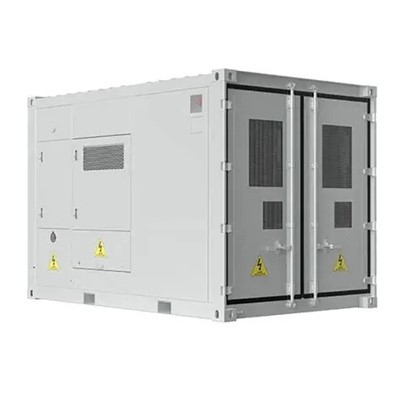
If you’re ready to learn more about our outdoor ESS cabinets and dedicated after-sales support, or have questions about service tailored to your specific location and site needs, we’d be glad to connect to discuss how we can support your project.
Solar DC Cable References
- International Electrotechnical Commission. (2020). IEC 62261: Energy storage systems for stationary applications.
- North American Electric Reliability Corporation. (2022). Guidelines for reliability of outdoor energy storage infrastructure.
- International Organization for Standardization. (2019). ISO 20815: Petroleum, petrochemical and natural gas industries — Production equipment for special offshore operations — Outdoor enclosures.
- Solar Energy Industries Association. (2023). Best practices for after-sales support for outdoor energy storage systems.
Tianjin Xilingke New Energy Technology Co., Ltd.
Address: Suite 2601, Tower B, Wanghai International, Haihe East Road, Hebei District, Tianjin, China.
E-mail: robin@sinelinkev.com
WebSite: https://www.sinelinkenergy.com/
