Alright, let’s cut to the chase—if you’re here because you’ve been eyeing those bright, buttery fruit tartlets you grab from the café case and wondering how we pull off that perfect flaky crust, glossy fruit, and not-too-sweet filling without turning into a weekend disaster (or burning your kitchen down), you’re in the right spot. Full transparency: I run a small baked pastries supplier, so this isn’t just some fancy recipe I pulled out of a baking textbook for clout. These are the exact steps we use for our bulk orders, adjusted for home bakers too, because sometimes you just want to nail a tartlet for a dinner party. No stuffy terms, no weird ingredients you have to order from three different stores, and zero waste (we hate that). Baked Pastries
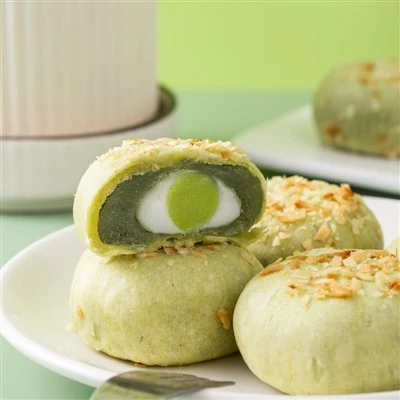
First off, let’s talk crust—this is 80% of the battle, tbh. A bad tartlet crust is just a sad, crumbly mess that falls apart before you even get to the fruit. Our crust is shortcrust, but not that dry, crumbly shortcrust that tastes like cardboard. We use cold butter, a tiny bit of sour cream, and we never overwork the dough—science side of me: cold butter creates those little air pockets that make it flaky, and overworking develops gluten which makes it tough. Pro tip from our team: we cube the butter, freeze it for 20 mins, then toss it in flour with our fingertips until it’s the size of peas, not sand. Sand = bad. Peas = good. Then we add just enough cold water (plus that splash of sour cream) to bring it together into a disk, no more. Wrap it in plastic, chill it for at least an hour—no skipping this step, I’ve tried. If you roll warm dough, it shrinks in the oven, and your tartlet will look like a sad deflated balloon. For tartlets, we use 4-inch tins, the shallow kind with removable bottoms (worth every penny, I don’t care what anyone says). If you don’t have tins, a muffin tin works, but you’ve gotta grease it like crazy.
Wait, speaking of the oven—preheat it to 375°F (190°C) and line the crusts with parchment, fill with pie weights (or even dry rice, if you’re broke like I was once), and blind bake for 12 mins, then take the parchment/rice out and bake another 5 mins. This is called blind baking, and it stops the crust from getting that soggy bottom—another common mistake. We learned this the hard way when 200 tartlets came out with puddles of juice at the base, and we had to toss half. Never again.
Next up: the filling. We don’t use custard every time, but when we do, it’s a pastry cream that’s not too runny. If you’ve ever had a fruit tart where the fruit sinks into a soupy goop, that’s because the filling wasn’t set enough. Our go-to is a vanilla pastry cream: heat milk, a vanilla bean (or paste, if you’re in a rush), stir eggs, sugar, cornstarch, add hot milk slowly so you don’t scramble the eggs, cook until it thickens to the consistency of pudding, then pour it into a bowl and press plastic wrap directly on the surface so it doesn’t form a skin. Chill that for at least 2 hours. Alternatively, if you want something quicker, mascarpone whipped cream is chef’s kiss—just mix 8 oz mascarpone, 1/2 cup heavy cream, 2 tbsp powdered sugar, a tiny bit of vanilla, and you’re done. Way less fussy, and we use this for our smaller, fun tartlets with berries because it’s lighter.
Now the fun part: the fruit. This is where you can get creative, but we stick to seasonal stuff for our supplier orders because it tastes better and is cheaper. Summer = strawberries, blueberries, raspberries—bright, juicy, perfect. Winter = sliced kiwi, mandarins, pomegranate seeds, since fresh berries are more expensive and less flavorful. Rule number one: pat your fruit dry. If it’s wet, it’ll make the pastry cream runny. I know, I know—you just washed it, but take 5 mins to lay it on paper towels. For larger fruit like peaches or nectarines, blanch them in boiling water for 30 seconds, peel, slice, pat dry—trust me, peeling off that fuzzy skin is non-negotiable for a tartlet that looks and tastes premium.
Then the glaze—this is what makes the fruit shine like it’s in a bakery case, not a kid’s craft project. We use a simple apricot glaze, and it’s so easy: take 1/2 cup apricot jam, add 1 tbsp water, heat it up in the microwave for 30 secs, stir until smooth, then strain it to get rid of any lumpy fruit bits. Brush this over the fruit right after you put it on the tartlet—two reasons: it keeps the fruit from browning (apples and pears hate air, this stops that), and it gives it that glossy, professional look. No store-bought glaze needed, this is way better.
Wait, let’s talk about assembly, because this is where a lot of people mess up. First, put a thin layer of either pastry cream or mascarpone cream on the bottom of the blind-baked crust. Don’t slather it on thick—just enough so the fruit sits on a stable base. If you skip this, the fruit sinks. Then arrange your fruit in a pattern—we do overlapping circles for strawberries, mix berries randomly for a more rustic look, whatever fits your vibe. Then brush that glaze over every piece of fruit, even the edges. It’s addictively shiny, and customers go crazy for it. We tested this once: two identical tartlets, one with glaze, one without. The glazed one sold twice as fast. Psychology, I guess, but also it tastes better, less dry.
Now, a few pro tips that I’ve learned from 5 years of running this supplier, not from a recipe: 1. Make extra crust dough and freeze it—we always have a batch on hand for last-minute orders or for when my neighbor begs for a tartlet. Just wrap it tight in plastic, freeze for up to 3 months, thaw in the fridge overnight before using. 2. Don’t overfill your tartlet crust. If you have more filling than crust height, it’ll spill out in the oven and make a mess. We fill each crust ¾ of the way full. 3. For bulk orders (which is what most of our customers come for—cafés, corporate events, wedding caterers), we bake the crusts a day ahead, make the pastry cream a day ahead, and assemble the morning of delivery. That way, everything stays fresh, and we don’t stress at 2 a.m. I used to assemble everything the night before and wake up to soggy crusts—total nightmare. 4. If you’re using frozen fruit (never do this for fresh tartlets, but if you’re stuck), make sure to thaw it COMPLETELY and pat it dry so you get all the liquid out. Frozen fruit has way more water than fresh, so this step is even more critical.
Wait, let’s address the common mistakes I see all the time. Soggy bottom—we touched on blind baking, but also, don’t let the crust cool completely before adding filling? No, wait, no—let the crust cool for 10 mins, then add filling. If it’s too hot, it’ll melt the cream. Another mistake: too much sugar. A lot of recipes dump way too much sugar in the pastry cream, but fruit is sweet enough on its own. We cut our sugar by 2 tbsp and it tastes way better—you don’t want a tartlet that’s so sweet it makes your teeth hurt. Also, don’t use imitation vanilla. I know it’s cheaper, but the difference is night and day. A little real vanilla bean goes a long way.
Before I wrap this up, let’s make sure this works for everyone—if you’re a home baker, do the small batch: 4 crusts, that’s perfect for a weekend treat. If you’re like me, and you’re ordering these for your café or event, we can tweak the size—we do 2-inch mini tartlets for bite-sized appetizers, 6-inch larger ones for dessert platters, whatever you need. We source local fruit whenever we can, which means fresher product, lower carbon footprint, and supporting other small businesses—win-win, honestly.
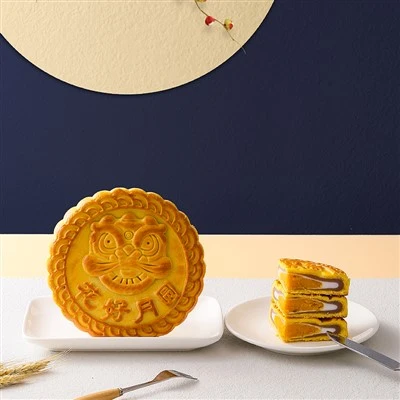
If you’ve been wanting to nail these perfect fruit tartlets, don’t overthink it. Follow the steps, don’t skip the chilling or blind baking, pat that fruit dry, and use a good glaze. It’s not rocket science, but it is a science—little details make all the difference. And if you’re a business owner looking to add consistent, delicious fruit tartlets to your menu, or need bulk orders for your next big event, hit us up. We’re all about making pastries that taste homemade but hold up for commercial use, no shortcuts.
Puffed Food References:
- The Professional Pastry Chef by Bo Friberg (4th edition, 2002) – for foundational shortcrust and pastry cream techniques, adapted for small-batch and bulk use.
- "Blind Baking 101" from Fine Cooking, Issue 152 (2014) – for preventing soggy tart crusts.
- Fruit Handling for Quality Pastries – USDA Agricultural Marketing Service, 2019 – for reducing excess moisture in fresh fruit toppings.
- "Bulk Pastry Production Tips" from Bakery Management Magazine, Vol. 28, No. 3 (2021) – for adapting small-batch recipes to commercial volumes.
Fujian Luchen Food Co., Ltd.
As one of the most professional baked pastries manufacturers and suppliers in China since 1986, our products have good reputation in the market. Please feel free to wholesale bulk delicious baked pastries from our factory. Good service and quality products are available.
Address: No. 19, Shangxipulou, Nansheng Town, Pinghe County, Zhangzhou City, Fujian Province
E-mail: service@xmnahan.com
WebSite: https://www.luchenbakery.com/
