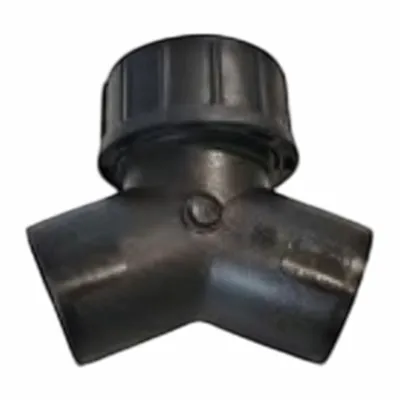
As a supplier of butt fusion fittings, I understand the importance of proper handling during storage to ensure these products remain in optimal condition. Butt fusion fittings are crucial components in various piping systems, used for joining pipes through a fusion welding process. Their integrity during storage can significantly impact their performance and longevity when installed. In this blog, I’ll share some practical tips on how to handle butt fusion fittings during storage to avoid damage. Butt Fusion Fittings
Understanding the Characteristics of Butt Fusion Fittings
Before delving into storage practices, it’s essential to understand the properties of butt fusion fittings. These fittings are typically made from thermoplastic materials such as polyethylene (PE), polypropylene (PP), and polyvinyl chloride (PVC). Thermoplastics have unique characteristics that make them suitable for fusion welding but also require specific handling during storage.
Thermoplastics are sensitive to temperature and UV radiation. High temperatures can cause the material to soften and deform, while prolonged exposure to UV rays can lead to degradation of the polymer structure, reducing the fitting’s strength and durability. Additionally, mechanical stress during storage can cause cracks or scratches, which can compromise the integrity of the fitting during installation and use.
Storage Environment
Temperature Control
Maintaining a stable and appropriate temperature is critical for storing butt fusion fittings. The ideal temperature range for storing thermoplastic fittings is between 5°C and 30°C. Temperatures outside this range can have adverse effects on the material.
In cold environments, thermoplastics become brittle, increasing the risk of cracking during handling. If the fittings are stored in a cold warehouse, it’s advisable to allow them to reach room temperature before handling or installation. This can prevent sudden temperature changes that could cause thermal stress and damage the fittings.
On the other hand, high temperatures can cause the fittings to soften and deform. Avoid storing the fittings in direct sunlight or near heat sources such as radiators or heaters. If the storage area is not climate – controlled, consider using insulation or shading to protect the fittings from extreme temperatures.
Humidity and Moisture
Humidity and moisture can also affect the quality of butt fusion fittings. Excessive moisture can cause corrosion of any metal components in the fittings (such as inserts or fasteners) and may also promote the growth of mold and mildew on the surface of the thermoplastic material.
Store the fittings in a dry environment with a relative humidity of less than 60%. If the storage area is prone to high humidity, use dehumidifiers or moisture – absorbing materials such as silica gel packets. Ensure that the storage racks or shelves are elevated off the floor to prevent contact with any water that may accumulate on the ground.
UV Protection
As mentioned earlier, UV radiation can cause degradation of thermoplastic materials. When storing butt fusion fittings, it’s important to protect them from direct sunlight. If the fittings are stored outdoors, cover them with UV – resistant tarps or store them in opaque containers.
Indoors, ensure that the storage area is not exposed to direct sunlight through windows. If necessary, use blinds or curtains to block out UV rays. Additionally, some manufacturers may offer fittings with UV – stabilizers, which provide an extra layer of protection against UV damage.
Storage Layout and Handling
Proper Stacking
When stacking butt fusion fittings, it’s crucial to do it correctly to prevent damage. Stack the fittings in a stable and orderly manner, ensuring that the weight is evenly distributed. Avoid over – stacking, as this can cause excessive pressure on the lower fittings, leading to deformation or cracking.
For larger fittings, it’s advisable to stack them vertically with suitable supports to prevent them from leaning or falling. If stacking horizontally, use spacers between the layers to prevent scratching and ensure that the fittings are aligned properly.
Inventory Management
Effective inventory management is essential for maintaining the quality of butt fusion fittings. Implement a first – in, first – out (FIFO) system to ensure that the oldest stock is used first. This reduces the risk of long – term storage and potential degradation of the materials.
Regularly inspect the inventory to check for any signs of damage, such as cracks, scratches, or discoloration. Remove any damaged fittings from the storage area to prevent them from mixing with the undamaged ones. Keep a detailed record of the inventory, including the date of receipt, quantity, and any relevant inspection results.
Handling Equipment
Use appropriate handling equipment when moving butt fusion fittings in and out of storage. Forklifts, pallet jacks, and lifting slings should be used with care to avoid dropping or hitting the fittings. Ensure that the handling equipment is in good working condition and that the operators are properly trained.
When manually handling the fittings, wear appropriate gloves to prevent dirt, oil, or moisture from being transferred to the surface of the fittings. Avoid dragging the fittings on rough surfaces, as this can cause scratches and damage to the material.
Packaging and Labeling
Quality Packaging
The packaging of butt fusion fittings plays a significant role in protecting them during storage. The fittings should be packed in sturdy and damage – resistant containers. Manufacturer – provided packaging is usually designed to provide optimal protection, but additional measures can be taken if necessary.
For example, wrap individual fittings in protective materials such as foam or bubble wrap to prevent scratching and impact damage. If the fittings are packed in boxes, use dividers to separate them and prevent them from rubbing against each other.
Clear Labeling
Proper labeling of the storage containers is essential for easy identification and inventory management. Each container should be labeled with information such as the type of fitting, size, quantity, and date of receipt. This allows for quick and accurate retrieval of the required fittings and helps to ensure that the FIFO system is followed.
In addition, include any special handling instructions or storage requirements on the labels. For example, if the fittings are sensitive to temperature or humidity, clearly indicate the recommended storage conditions.
Regular Inspections and Maintenance
Visual Inspections
Conduct regular visual inspections of the stored butt fusion fittings to detect any signs of damage or degradation. Inspect the surface of the fittings for cracks, scratches, discoloration, or any other visible defects. Check the joints and connections for any signs of looseness or damage.
Inspections should be carried out at least once every three months, but more frequent inspections may be necessary if the storage conditions are sub – optimal. If any damage is detected, isolate the affected fittings and determine the cause to prevent further damage to the remaining inventory.
Cleaning and Maintenance
Keep the storage area clean to prevent the accumulation of dust, dirt, and debris on the fittings. Regularly sweep and mop the floors, and wipe down the storage racks and shelves. If the fittings become dirty, clean them with a mild detergent and water solution, and then dry them thoroughly.
Lubricate any moving parts or fasteners on the fittings if required. This helps to prevent corrosion and ensures that the fittings function properly during installation.
Importance of Proper Storage
Proper storage of butt fusion fittings is not only important for maintaining their physical integrity but also for ensuring compliance with industry standards and regulations. Damaged fittings can lead to leaks, failures, and safety hazards in the piping systems, which can result in costly repairs and downtime.
By following the recommended storage practices, you can extend the lifespan of the butt fusion fittings, reduce the risk of damage, and ensure that they perform as expected when installed. This ultimately leads to higher customer satisfaction and a better reputation for your business.
Contact for Purchase and Consultation
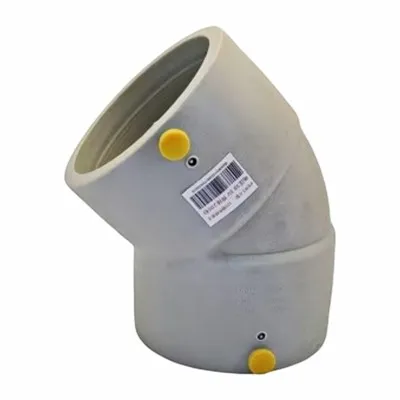
Electrofusion Fittings As a reliable supplier of butt fusion fittings, I am committed to providing high – quality products and excellent service. If you are looking for top – notch butt fusion fittings or need further advice on storage and handling, I encourage you to reach out to me. We can discuss your specific requirements, and I’ll be happy to assist you in finding the right solutions for your projects.
References
- ASTM International. (Year). Standard specifications for thermoplastic pipes and fittings.
- Plastic Pipe Institute. (Year). Guidelines for storage and handling of thermoplastic pipes and fittings.
- Manufacturer’s product manuals and technical data sheets for butt fusion fittings.
Qingdao Polyfusion Machinery Co., Ltd.
As one of the most professional butt fusion fittings manufacturers and suppliers in China, we have world-leading production equipment and strong manufacturing capabilities. Please feel free to buy bulk high quality butt fusion fittings from our factory.
Address: Chengyang Industry Zone, Chengyang, Qingdao, Shandong, China
E-mail: export01@qdpolyfusion.com
WebSite: https://www.polyfusionfittings.com/
