As a seasoned supplier of Pad Mounted Transformers, I’ve witnessed firsthand the critical role these devices play in our electrical infrastructure. One of the most common and potentially damaging issues we encounter is over – heating. In this blog, I’ll share some effective strategies to prevent over – heating in Pad Mounted Transformers, drawing on my years of industry experience. Pad Mounted Transformer

Understanding the Causes of Over – heating
Before we delve into prevention methods, it’s essential to understand what causes a Pad Mounted Transformer to over – heat. The primary culprits are excessive load, poor ventilation, and insulation degradation.
Excessive load occurs when the transformer is required to handle more electrical power than it was designed for. This can happen due to sudden increases in demand, such as during peak usage hours or when new high – power equipment is connected to the electrical system. When the load exceeds the transformer’s capacity, it generates more heat than it can dissipate, leading to over – heating.
Poor ventilation is another significant factor. Pad Mounted Transformers rely on natural or forced air circulation to dissipate heat. If the ventilation openings are blocked by debris, vegetation, or other obstructions, the heat cannot escape efficiently. This can cause the temperature inside the transformer to rise rapidly.
Insulation degradation is a long – term issue that can also lead to over – heating. Over time, the insulation materials in the transformer can break down due to factors such as high temperatures, moisture, and electrical stress. As the insulation deteriorates, it becomes less effective at preventing electrical leakage, which in turn generates more heat.
Preventive Measures
Load Management
One of the most effective ways to prevent over – heating is to manage the load on the transformer. This involves accurately assessing the power requirements of the electrical system and ensuring that the transformer is appropriately sized. Conducting regular load studies can help identify any potential overload situations. By analyzing historical load data and predicting future demand, we can make informed decisions about whether to upgrade the transformer or adjust the electrical load distribution.
For example, if a particular area experiences a significant increase in residential or commercial development, the electrical demand in that area is likely to rise. In such cases, it may be necessary to install a larger transformer or redistribute the load to other transformers in the network.
Ventilation Improvement
Maintaining proper ventilation is crucial for preventing over – heating. Regularly inspect the ventilation openings of the Pad Mounted Transformer to ensure they are clear of debris. Trim any nearby vegetation that may be blocking the airflow. In some cases, it may be necessary to install additional ventilation fans or louvers to improve air circulation.
Forced – air ventilation systems can be particularly effective in large or high – load transformers. These systems use fans to draw in cool air and expel hot air, helping to maintain a stable temperature inside the transformer. However, it’s important to ensure that the fans are properly maintained and that the ventilation ducts are clean and unobstructed.
Insulation Maintenance
Regular insulation testing and maintenance are essential for preventing over – heating due to insulation degradation. Insulation resistance testing can be used to detect any signs of insulation breakdown. If the insulation resistance is found to be below the recommended levels, it may be necessary to replace the insulation or take other corrective actions.
Moisture is a major enemy of insulation. To prevent moisture ingress, ensure that the transformer is properly sealed and that any gaskets or seals are in good condition. In areas with high humidity or where the transformer is exposed to water, additional moisture – proofing measures may be required.
Temperature Monitoring
Installing temperature sensors in the Pad Mounted Transformer is an effective way to monitor its temperature in real – time. These sensors can be connected to a monitoring system that alerts operators when the temperature exceeds a pre – set threshold. By detecting over – heating early, operators can take immediate action to prevent damage to the transformer.
There are several types of temperature sensors available, including thermocouples and resistance temperature detectors (RTDs). Each type has its own advantages and disadvantages, and the choice of sensor will depend on factors such as the accuracy required and the operating environment.
Cooling Systems
In addition to ventilation, some Pad Mounted Transformers may be equipped with cooling systems such as oil – cooling or water – cooling. Oil – cooled transformers use oil as a coolant to transfer heat away from the transformer windings. The oil is circulated through a heat exchanger, where it is cooled before being returned to the transformer.
Water – cooled transformers, on the other hand, use water to remove heat from the transformer. These systems are more efficient than air – cooled systems but require a reliable source of water and proper maintenance to prevent corrosion and scaling.
Regular Inspections and Maintenance
Regular inspections and maintenance are the cornerstones of preventing over – heating in Pad Mounted Transformers. A comprehensive maintenance program should include visual inspections, electrical testing, and mechanical checks.
During visual inspections, look for signs of damage, such as cracks in the transformer casing, leaks, or discoloration. Check the connections for tightness and signs of over – heating, such as burned or discolored terminals.
Electrical testing should include insulation resistance testing, turns ratio testing, and winding resistance testing. These tests can help detect any electrical problems that may be contributing to over – heating.
Mechanical checks should focus on the transformer’s physical components, such as the cooling fans, pumps, and valves. Ensure that these components are functioning properly and that there are no signs of wear or damage.
Conclusion
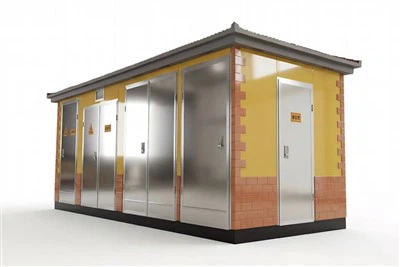
Preventing over – heating in Pad Mounted Transformers is essential for ensuring their reliable operation and longevity. By understanding the causes of over – heating and implementing the preventive measures outlined in this blog, you can significantly reduce the risk of transformer failure and costly downtime.
Power Transformer As a Pad Mounted Transformer supplier, I’m committed to providing high – quality products and expert advice to help you keep your transformers running smoothly. If you’re interested in learning more about our products or need assistance with transformer maintenance and prevention of over – heating, I encourage you to reach out to us for a detailed discussion. We’re here to help you find the best solutions for your electrical infrastructure needs.
References
- "Transformer Engineering: Design, Technology, and Diagnostics" by J. L. Kirtley Jr.
- "Electrical Power System Basics" by C. A. Gross
- Industry standards and guidelines from organizations such as IEEE and IEC.
Jiangsu Yuantong Electric Co., Ltd.
As one of the most experienced pad mounted transformer manufacturers and suppliers in China, we also support customized service. Please rest assured to wholesale bulk high quality pad mounted transformer in stock here from our factory. Contact us for more details.
Address: No. 202, Qiaogang Road, Xicheng Subdistrict, Hai’an City
E-mail: jsytdq@jsytelectric.com
WebSite: https://www.jsytelectric.com/
