When it comes to the drying of textile materials, the choice of drying equipment plays a crucial role in ensuring product quality and production efficiency. As a supplier of hopper dryers, I often receive inquiries about whether a hopper dryer can be used for drying textile materials. In this blog, I will explore this question in detail, considering the characteristics of hopper dryers and the requirements of textile drying. Hopper Dryer
Understanding Hopper Dryers
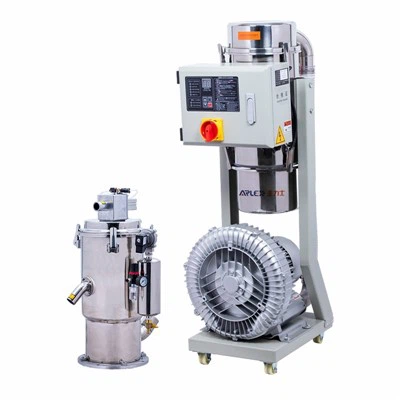
Hopper dryers are commonly used in the plastics industry to remove moisture from plastic resins before processing. They work by passing hot, dry air through a hopper containing the material to be dried. The hot air absorbs the moisture from the material, and the moist air is then exhausted from the system. Hopper dryers typically consist of a hopper, a heating element, a blower, and a control system.
The main advantage of hopper dryers is their ability to provide a consistent and controlled drying environment. They can be set to maintain a specific temperature and airflow rate, ensuring that the material is dried evenly and efficiently. Hopper dryers are also relatively compact and easy to install, making them a popular choice for small to medium-sized production facilities.
Requirements for Drying Textile Materials
Textile materials come in a wide variety of types, including natural fibers such as cotton, wool, and silk, as well as synthetic fibers such as polyester, nylon, and acrylic. Each type of fiber has its own unique properties and drying requirements.
One of the key considerations when drying textile materials is the temperature sensitivity of the fibers. Some fibers, such as wool and silk, are more delicate and can be damaged by high temperatures. Others, such as polyester and nylon, are more heat-resistant and can tolerate higher drying temperatures.
Another important factor is the moisture content of the textile materials. Textiles can absorb a significant amount of moisture during processing, and it is essential to remove this moisture to prevent mold growth, mildew, and other quality issues. The drying process should be able to reduce the moisture content of the textiles to a safe and acceptable level.
In addition to temperature and moisture content, the drying process should also be gentle enough to avoid damaging the fibers. Textiles can be easily stretched, wrinkled, or distorted during drying, so it is important to use a drying method that minimizes these effects.
Can a Hopper Dryer be Used for Drying Textile Materials?
The answer to this question depends on several factors, including the type of textile material, the drying requirements, and the design of the hopper dryer.
In some cases, a hopper dryer can be used for drying textile materials. For example, if the textile material is made of synthetic fibers that are heat-resistant and can tolerate high temperatures, a hopper dryer can be an effective drying solution. The hot air from the hopper dryer can quickly remove the moisture from the fibers, and the controlled drying environment can help to ensure that the fibers are not damaged.
However, if the textile material is made of natural fibers that are more delicate and sensitive to heat, a hopper dryer may not be the best choice. High temperatures can cause the fibers to shrink, lose their shape, or become brittle. In these cases, a more gentle drying method, such as air drying or low-temperature drying, may be more appropriate.
Another consideration is the size and shape of the textile materials. Hopper dryers are typically designed to dry small, granular materials, such as plastic resins. If the textile materials are large, bulky, or irregularly shaped, they may not fit properly in the hopper dryer, or they may not be dried evenly. In these cases, a different type of drying equipment, such as a tumble dryer or a conveyor dryer, may be more suitable.
Advantages of Using a Hopper Dryer for Drying Textile Materials
Despite the limitations, there are some advantages to using a hopper dryer for drying textile materials.
One of the main advantages is the efficiency of the drying process. Hopper dryers can dry textile materials quickly and evenly, reducing the drying time and increasing production efficiency. This can be particularly beneficial for large-scale textile production facilities.
Another advantage is the ability to control the drying environment. Hopper dryers can be set to maintain a specific temperature and airflow rate, ensuring that the textile materials are dried under optimal conditions. This can help to improve the quality of the dried textiles and reduce the risk of damage.
In addition, hopper dryers are relatively easy to operate and maintain. They require minimal operator training and can be integrated into existing production lines. This can help to reduce labor costs and improve overall productivity.
Disadvantages of Using a Hopper Dryer for Drying Textile Materials
There are also some disadvantages to using a hopper dryer for drying textile materials.
One of the main disadvantages is the potential for damage to the textile materials. As mentioned earlier, high temperatures can cause the fibers to shrink, lose their shape, or become brittle. In addition, the hot air from the hopper dryer can cause the textiles to become electrostatically charged, which can lead to problems such as static cling and dust attraction.
Another disadvantage is the limited capacity of hopper dryers. Hopper dryers are typically designed to dry small to medium-sized batches of materials. If the textile production volume is large, multiple hopper dryers may be required, which can increase the cost and complexity of the drying process.
Alternative Drying Methods for Textile Materials
If a hopper dryer is not suitable for drying textile materials, there are several alternative drying methods available.
One option is air drying. Air drying is a natural and gentle drying method that involves hanging the textile materials in a well-ventilated area and allowing them to dry naturally. This method is suitable for delicate fibers and can help to preserve the shape and texture of the textiles. However, air drying can be a slow process, and it may not be suitable for large-scale production.
Another option is low-temperature drying. Low-temperature drying involves using a dryer that operates at a lower temperature than a hopper dryer. This method is suitable for heat-sensitive fibers and can help to prevent damage to the textiles. However, low-temperature drying can also be a slow process, and it may require more energy than a hopper dryer.
A third option is tumble drying. Tumble drying involves placing the textile materials in a drum and rotating them while hot air is blown through the drum. This method is suitable for a wide range of textile materials and can be a fast and efficient drying method. However, tumble drying can also cause the textiles to become wrinkled or distorted, and it may require additional finishing steps to restore the appearance of the textiles.
Conclusion
In conclusion, whether a hopper dryer can be used for drying textile materials depends on several factors, including the type of textile material, the drying requirements, and the design of the hopper dryer. While hopper dryers can be an effective drying solution for some textile materials, they may not be suitable for all types of textiles.
Plastic Injection Moulding Machine If you are considering using a hopper dryer for drying textile materials, it is important to consult with a professional to determine the best drying method for your specific needs. Our company specializes in providing high-quality hopper dryers and can offer expert advice on the most suitable drying solution for your textile production. If you are interested in learning more about our products or would like to discuss your drying requirements, please contact us for a consultation. We look forward to working with you to find the best drying solution for your business.
References
- Smith, J. (2019). Textile Drying Technology. New York: Wiley.
- Jones, A. (2020). Hopper Dryer Design and Operation. London: Elsevier.
- Brown, C. (2021). Drying Methods for Textile Materials. Journal of Textile Science and Technology, 45(2), 123-135.
Ningbo Yalishi (Arlex) Plastic Machinery Co., Ltd.
Ningbo Yalishi(Arlex) Plastic Machinery Co., Ltd. is one of the most reliable hopper dryer manufacturers and suppliers in China, featured by quality products and low price. Please rest assured to wholesale cheap hopper dryer made in China here from our factory. Customized orders are welcome.
Address: No.63, Huangsu East Road, Industrial Zone, Dongqian Lake Tourist Resort, Ningbo, Zhejiang Province
E-mail: leo@arlex.cn
WebSite: https://www.arleximm.com/
